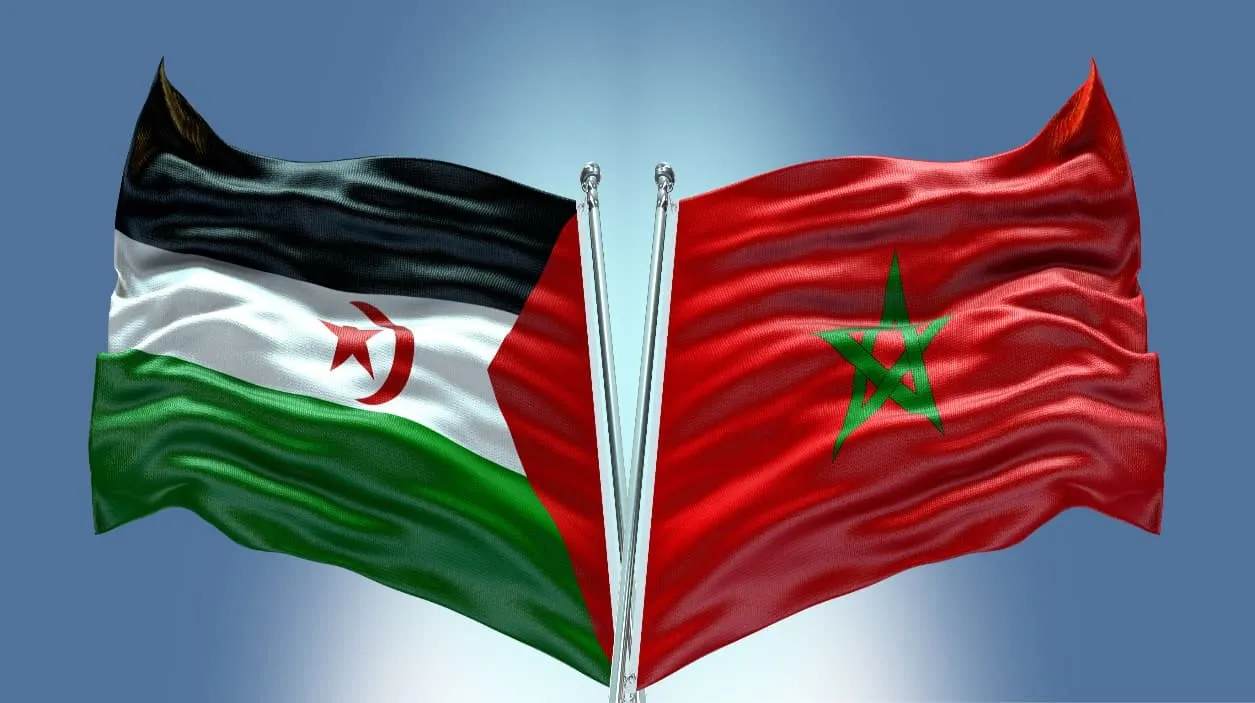

The recent report delivered by UN Secretary-General Antonio Guterres to the Security Council has cast a shadow over Morocco's expectations regarding the Western Sahara issue. Following the adoption of resolution 2797, which was misleadingly portrayed as supportive of Morocco's autonomy plan, the kingdom has received a stark and sobering message that deviates sharply from its narrative. This disappointment was foreshadowed a week prior when Massad Boulos, a former advisor to Donald Trump on Arab and African affairs, stated that there was 'no imminent solution' visible after three rounds of negotiations.
UN Secretary-General Advocates for Self-Determination
In his report, Guterres and his personal envoy dismantle Morocco's arguments, clearly advocating for the Sahrawi people's right to self-determination and the extension of the MINURSO mandate. The Secretary-General urges both parties involved in the conflict, namely Morocco and the Polisario Front, to reach a politically acceptable solution that guarantees the self-determination of the Western Sahara people. This stance contradicts Moroccan propaganda over the past year, which claimed that the Security Council had abandoned the referendum option in favor of imposing the 'autonomy plan' as the sole resolution to the conflict.
The findings presented by Guterres align closely with the document submitted by the Polisario Front on October 20, 2025, which proposed a solution that would allow for the self-determination of the Sahrawi people and restore regional stability.
Human Rights Concerns and MINURSO's Future
The report emphasizes the necessity of a referendum, asserting that any conflict resolution proposal must involve a genuine consultative process with the people of Western Sahara, ensuring they are free to accept or reject it and not deprived of their inalienable rights. This sentiment is echoed by Guterres' personal envoy, who highlighted that any resolution must involve meaningful consultation with the Sahrawi people in accordance with the principle of self-determination. Contrary to Moroccan claims, the resolution of October 2025 does not impose any predetermined outcome on the negotiations. Stafan di Mistura, Guterres' personal envoy, characterized the resolution as a negotiation framework that does not dictate the outcome, clarifying that participation in negotiations does not necessitate acceptance of their conclusions.
Human rights issues, a longstanding concern for Morocco, were also addressed in the report. Guterres pointed out that the lack of independent and comprehensive oversight hinders the assessment of the human rights situation in occupied territories. Due to repeated human rights violations—such as torture, mistreatment, and the imprisonment of Sahrawi activists—Morocco has prevented the UN High Commissioner for Human Rights from visiting the region since 2015. Additionally, the report discusses the mines placed by the Moroccan army along the separation wall, which pose a threat to individuals. Of the 68 minefields identified to the east of the wall, 24 remain uncleared.
Another critical point for Morocco in the UN's decisions concerns the fate of the United Nations Mission for the Referendum in Western Sahara (MINURSO). Morocco has consistently advocated against the mission's renewal, yet this effort has once again been unsuccessful. The UN Secretary-General has recommended extending MINURSO's mandate for another year, until October 31, 2027. The mission's purpose is to organize a referendum, and its continuation underscores that the United Nations does not envision a resolution outside of consulting with the Sahrawi people through a self-determination referendum. This represents a total defeat for Morocco.
As reported by tsa-algerie.com.