

Casablanca is distinct from Marrakech, and it is precisely this difference that endears it to many travelers. Unlike the bustling medina of Marrakech, which is often overflowing with tourists and persistent vendors at every corner, Casablanca offers a more relaxed shopping experience. The city is home to the Habous district, the Central Market, and various hidden gems that you won't find in any travel brochure. For those seeking memorable souvenirs to take home from Casablanca, a little guidance can go a long way. Below, we outline the must-have items, their price ranges, quality indicators, and potential pitfalls to avoid.
Essential Souvenirs to Bring Home
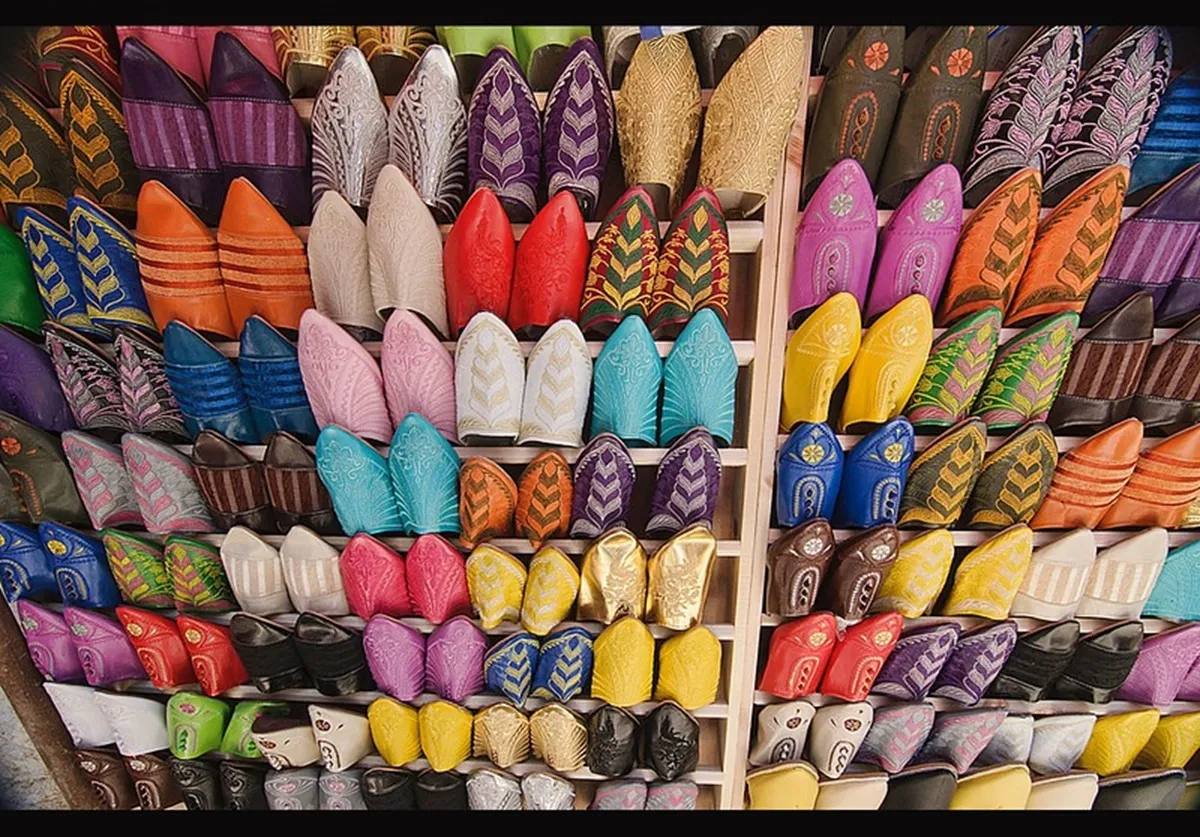
When it comes to shopping in Casablanca, the traditional babouches, or Moroccan slippers, are a classic choice that never disappoints. The city features two predominant styles: the urban pointed-toe model crafted from smooth calf or goat leather and a more rustic version with a thick sole inspired by Berber designs. As the leather stretches with wear, it's crucial to select a snug fit rather than opting for immediate comfort. The Habous district is renowned as the best place in the city to purchase these slippers, as the vendors are generally less aggressive than those in Marrakech, and the quality tends to be more reliable. Prices range from 80 to 200 dirhams, depending on the craftsmanship. When shopping for babouches, ensure that the insole is made of genuine leather rather than synthetic foam covered with imitation leather, which typically indicates a lower-quality product that will deform quickly. Authentic babouches should have a distinctive leather scent rather than a hint of heated plastic.
Spices and tea are another highlight of Moroccan culture, and the offerings in Casablanca far surpass what one might find in French supermarkets. The aromatic concentration of spices is unmatched, and prices are incredibly affordable. Essential spices to bring back from Casablanca include ras el hanout, cumin, sweet paprika, and turmeric. However, when it comes to saffron, be cautious; genuine saffron threads cost between 25 and 40 dirhams per gram, while anything sold as bright orange powder for around 5 dirhams is likely to be a poor-quality mix, at best. Additionally, the green gunpowder tea, a base for Moroccan mint tea, is worth seeking out. It is sold in bulk at unbeatable prices and has a long shelf life. The Central Market on Mohammed V Avenue is the most accessible location for purchasing these spices, and it is advisable to request your spices to be packed in airtight bags for travel.
For those with a sweet tooth, Moroccan pastries are a delightful souvenir to consider. Maison Bennis, a well-established bakery in the Habous district, is a must-visit for traditional treats such as cornes de gazelle (almonds and orange blossom), chebakia (honey and toasted sesame), and ghriba (almond cookies). These pastries can last several days at room temperature and up to two weeks in the refrigerator, making them an ideal travel companion. Amlou, a delicious spread made from roasted almonds, honey, and argan oil, is also easily found in Casablanca. Packaged in jars, it is simple to tuck into your suitcase and is sure to impress anyone who tries it, making it a more representative souvenir compared to the typical box of dates bought at the airport.
Moreover, argan oil and hammam cosmetics are essential Moroccan products that should not be overlooked. It's important to note that cosmetic argan oil and culinary argan oil are distinct, and confusion often arises. The cosmetic version is cold-pressed, odorless or lightly scented, and suitable for skin and hair, while the culinary variety has a roasted nut aroma and is typically drizzled over salads or used with bread. When selecting cosmetic argan oil, look for shops that display the IGP Argane label, which guarantees it is pure and free from paraffin mixes. A complete hammam kit, which includes black soap made with olives, a kessa glove, ghassoul (cleansing clay from the Middle Atlas), and rose water, is another excellent choice among Moroccan products available in Casablanca. These items are lightweight, compact, and inexpensive, making them easy to find in traditional herbalist shops, local pharmacies, and specialized grocery stores known as attar.
The stunning pottery and ceramics are another highlight of Moroccan craftsmanship. The blue and white ceramics from Fes are iconic, while Safi is considered Morocco's capital for ceramics, offering a rich variety of colorful and functional pieces. In the Habous district, you can find high-quality ceramics without the need to travel to these other cities. When purchasing culinary items, ensure that the interior glaze is food-safe and inquire if necessary; a good seller will be able to provide this information. Opt for smaller sizes like bowls, cups, or flat plates, as they are easier to transport. Prices for decent artisan pieces typically start at about 30 to 50 dirhams. For packaging, ask the seller for newspaper or carefully wrap the pieces between rolled clothing in your suitcase, as larger tagines might not survive the journey intact.
In addition to babouches, you can find various leather goods in Casablanca, including bags, wallets, belts, and poufs made from Moroccan leather. The quality can vary significantly, and price is not always a reliable indicator. Before purchasing, inspect the stitching (it should be even without any loose threads), check the interior lining, and take a moment to smell the leather; a strong chemical odor can indicate poor quality treatment that may worsen with heat. The Habous district remains the best place for such purchases. While high-end leather bags are more widely available in Fes and Marrakech, Casablanca offers solid everyday pieces. If you can't fit a pouf into your luggage, the seller can often arrange for shipping directly to your home.
Finally, if you are looking for decorative items, Casablanca boasts a vibrant Art Deco identity that is evident in its 1930s-1940s architecture. Some antique shops and decor boutiques capitalize on this with vintage posters, photography books, and design objects inspired by the city. This makes for a unique souvenir that carries more of Casablanca's essence than the usual metal lanterns. The Maarif district is home to several concept stores that showcase contemporary takes on Moroccan craftsmanship, featuring fixed prices and careful packaging. A classic tea set, complete with a metal tray, teapot, and colorful glasses, remains a functional and representative souvenir available in both the Habous and the Central Market. While beautifully crafted, metal lanterns may not travel well, so reserve them for checked luggage if you have room.
Where to Shop in Casablanca
The Habous district is our top recommendation for traditional artisan goods such as babouches, Bennis pastries, ceramics, and leather items. Established in the 1930s under French colonial administration in a neo-Moorish style, it is not an ancient medina, but its ambiance is calm, and vendors are less insistent than in a traditional medina, with generally reliable quality. This versatile area covers the majority of the souvenirs mentioned in this article. The Central Market on Mohammed V Avenue complements this offering with spices and fresh products.
While the Old Medina of Casablanca is often touted as a must-visit, it has become more frequented by tourists than in the past, making haggling a necessity and vigilance regarding quality essential. For those who prefer to avoid negotiation, Morocco Mall and the Maarif center offer fixed prices, neat packaging, and fewer surprises. When bargaining in the Habous and the Medina, start at 40 to 50% of the quoted price and remember never to revisit a price you’ve accepted; this is a fundamental rule respected by both buyers and sellers.
From calf leather babouches in the Habous to spices from the Central Market and pastries from Bennis, Casablanca has its own unique addresses and logic for souvenir shopping. Begin at the Habous, and you can complete half of your shopping in just one hour.
As reported by generationvoyage.fr.

