
A Unique Culinary Tradition Along the Amazon
For over two centuries, a vibrant community of Moroccan Jews has thrived along the banks of the Amazon River in northern Brazil, a legacy that began during the rubber boom. This community has cultivated a unique culinary tradition that is only now starting to garner attention. In cities like Manaus and Belém, local establishments carry on a time-honored tradition of hosting a festive brunch every Sunday, featuring a menu that reflects the rich cultural tapestry of Amazonian society. Among the diverse offerings, which range from local dishes to those influenced by Japanese and English cuisines, two remarkable additions stand out: couscous and dafina, a traditional Jewish-Moroccan stew often served during Shabbat. These dishes are not merely food; they serve as a testament to the remarkable history and resilience of the Jewish community in this region.
Bridging Cultures Through Food
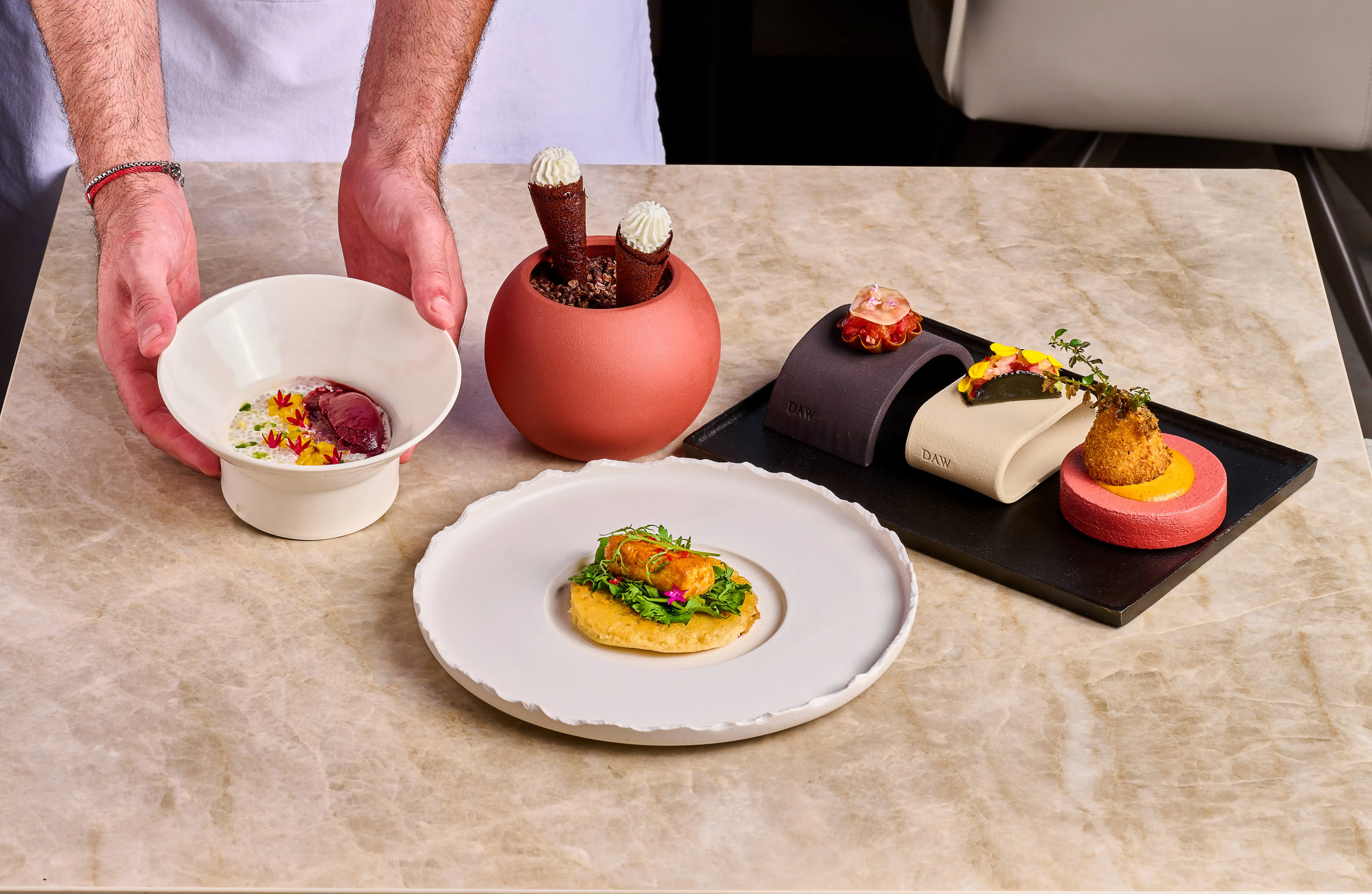
The incorporation of couscous and dafina into the local culinary landscape signifies a broader narrative of cultural exchange and adaptation. As these dishes find their place among the diverse flavors of the Amazon, they also highlight the intriguing connections between the Moroccan Jewish community and the indigenous cultures of Brazil. The experience of dining on Moroccan-Brazilian cuisine, particularly at establishments like Daw restaurant, evokes a sense of rediscovery, akin to finding distant relatives. This culinary fusion not only enriches the local gastronomy but also serves as a bridge between cultures, inviting diners to explore the stories and histories that these dishes embody. Through this exploration, the vibrant legacy of the Moroccan Jews in Brazil continues to thrive and evolve, ensuring that their unique contributions to the culinary world are celebrated and preserved for generations to come.
As reported by haaretz.com.