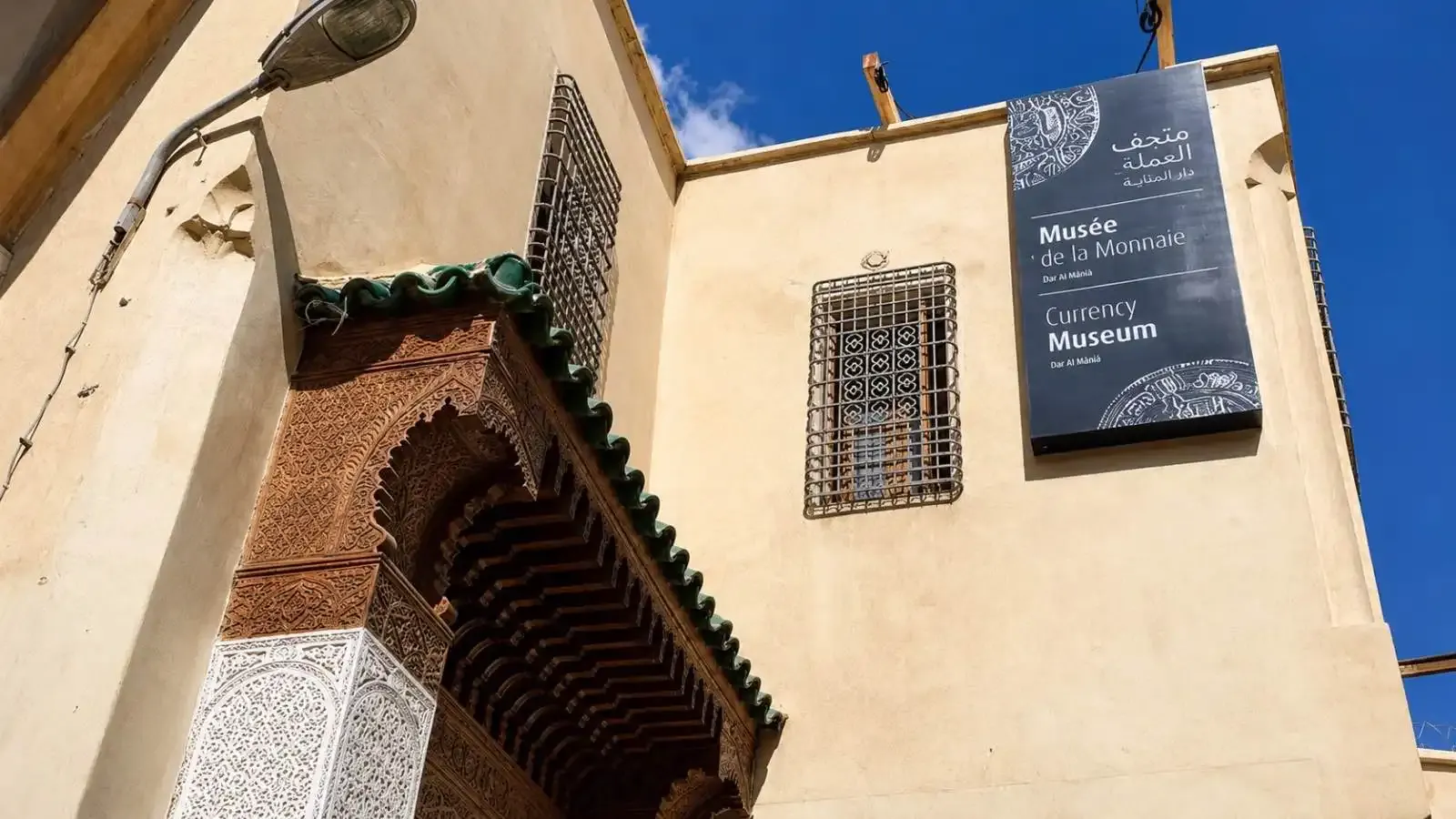

The historic transformation of an ancient hotel in the heart of Fes's old city has given rise to a fascinating museum dedicated to the history of currency and money in Morocco. This building, which has served multiple purposes over the past century, from facilitating trade and serving caravans to banking and security, has now found its place in the cultural landscape of the city.
Dating back over 105 years, this structure was originally a traditional hotel that welcomed merchants and traders arriving in Fes to conduct their business. As the city evolved, it became the second branch of Bank Al-Maghrib in 1921, following the branch in Tangier, before banking activities eventually shifted to the new city.
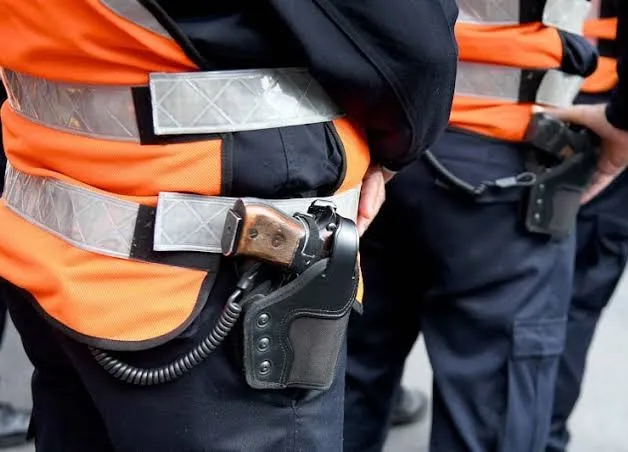
After the bank vacated, the building began a new chapter in its life as an annex for the national security service, a role it maintained for several decades. However, between 2018 and 2019, it underwent a significant renovation, transforming it into a museum dedicated to the history of money.
Today, this museum stands as a testament to Fes's journey from the era of trade caravans to the dawn of modern banking, evolving into a new phase where heritage is celebrated through exhibitions and education. Visitors can embark on a historical journey through the evolution of currency in Morocco, starting from the pre-monetary stages, passing through the Islamic periods, and reaching contemporary coins and banknotes.
The museum showcases not only a collection of historical currency artifacts but also tools related to the assay of metals and coin production. Unlike traditional displays that rely solely on static showcases, the museum employs interactive screens and digital presentation technologies, allowing visitors to explore coins from multiple angles, including 360-degree views, while learning about the features of Moroccan banknotes.
In addition to exploring historical currency collections, the museum offers visitors an opportunity to discover a building that has lived many lives, ultimately becoming a space that preserves a part of Morocco's economic, political, and cultural memory.
As reported by eremnews.com.