
Disillusionment and Political Apathy Among Young Moroccans
In the North African kingdom of Morocco, many young individuals like Atifi find themselves disillusioned and skeptical about the political landscape. The 20-year-old, despite holding a degree in electrical engineering, struggles to secure internships that could pave the way for his career. He reflects the sentiments of his peers, as nearly all of his former classmates are facing similar challenges in the job market. Out of approximately 36 million Moroccans, only around 16 million have registered to vote for the 395 members of the House of Representatives, with a mere four percent of registered voters aged between 18 and 24. This demographic reality underscores a concerning trend of political disengagement among the youth.
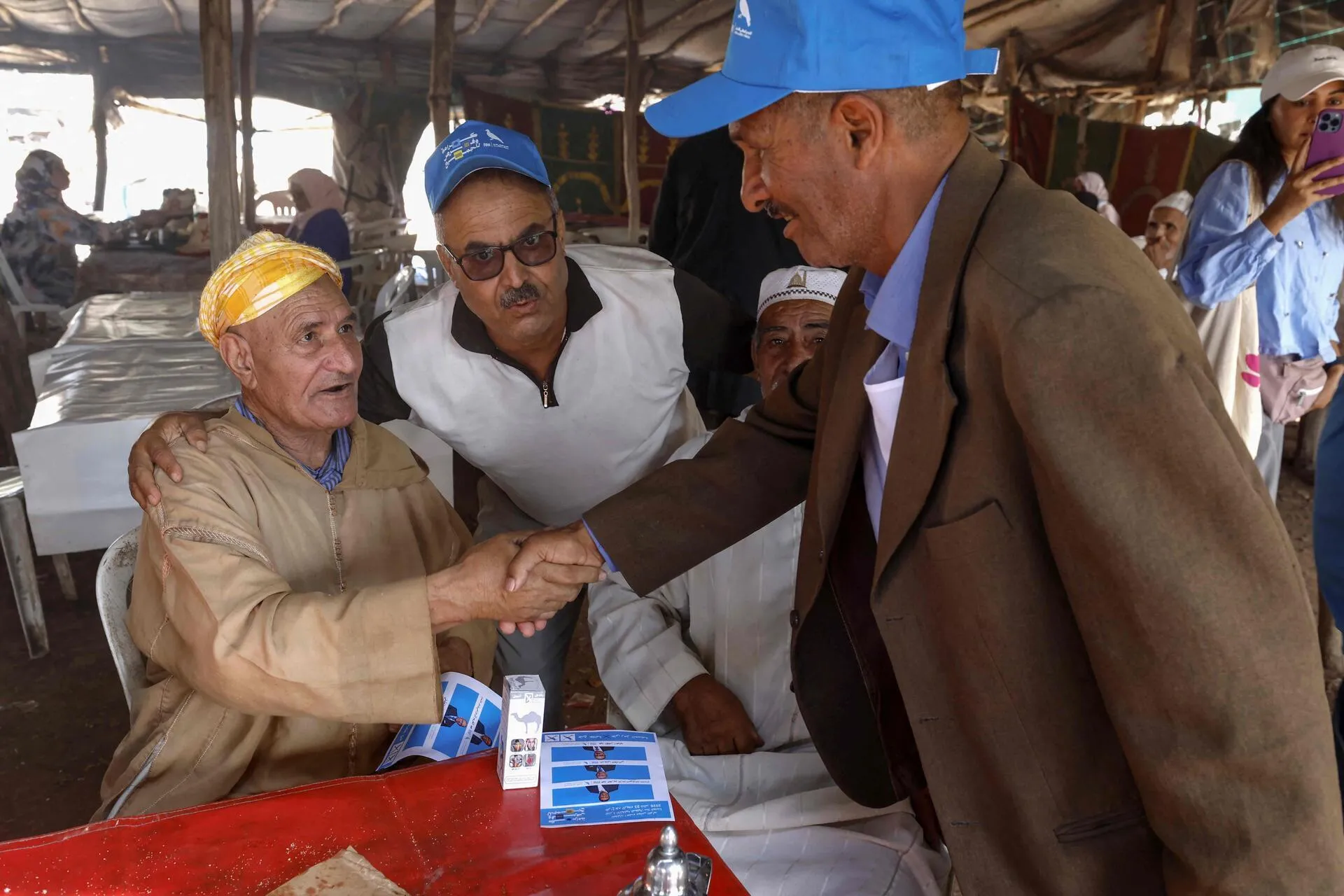
The political framework allows the party with the most votes to appoint the new prime minister, who, after being appointed by King Mohammed VI, is tasked with forming a government that will serve for a five-year term. However, pre-election polls are banned by electoral law, leaving many in the dark regarding voter sentiment. Analysts anticipate that the National Rally of Independents (RNI), currently the dominant force in the ruling coalition, is likely to remain a key player in the upcoming elections.
Socioeconomic Challenges and Calls for Action
Despite his resignation from the RNI leadership, Prime Minister Aziz Akhannouch has taken the helm of the party's campaign, defending the contentious record of his government, particularly regarding the expansion of social security and the introduction of direct financial aid. He promises improvements should his party succeed in the elections. The liberal Party of Authenticity and Modernity (PAM), which currently shares power with the RNI, is also viewed as a frontrunner, with both parties seen as closely aligned with the royal palace.
Amidst this political backdrop, 34-year-old Zoubaida, a mother who wishes to remain anonymous, expresses her belief that the future government must prioritize employment and housing. Currently getting by through various small jobs, she has opted not to vote, stating simply, "I expect nothing." This sentiment reflects a broader discontent among the youth, who have made social inequality and youth unemployment central themes in their political discourse. While some young Moroccans have resigned themselves to apathy, others have taken to the streets, leading protests demanding improvements in the education and healthcare systems and calling for an end to corruption.
The protests gained momentum following tragic reports of eight pregnant women who died while seeking a cesarean section in a public hospital in Agadir, highlighting severe deficiencies within the healthcare system. Additionally, many Moroccans voiced frustration over government spending on high-profile projects in anticipation of the 2030 FIFA World Cup, which Morocco will co-host with Portugal and Spain.
Socioeconomic frustration came into sharper focus when, at the end of July, tens of thousands of young Moroccans attempted to reach the nearby Spanish enclave of Ceuta by foot or by swimming. Zoubaida, reflecting on the situation, admits she would not hesitate to seize a similar opportunity if it arose. Despite Morocco's projected economic growth of five percent in 2025, the official unemployment rate stands at 13 percent. Political scientist Mohamed Chiker emphasizes that the upcoming elections face two significant challenges: restoring the trust of young voters in the political realm and cultivating a genuine political elite that can address their concerns.
Among those who remain hopeful is 28-year-old Haitam Arakchou from Salé, who knows whom he intends to vote for. He yearns for a change and encourages his fellow citizens to participate in the elections, urging them to support the party that resonates most with their values. His aspirations for the next government include improving the social conditions and increasing the minimum wage.
As reported by tageblatt.lu.