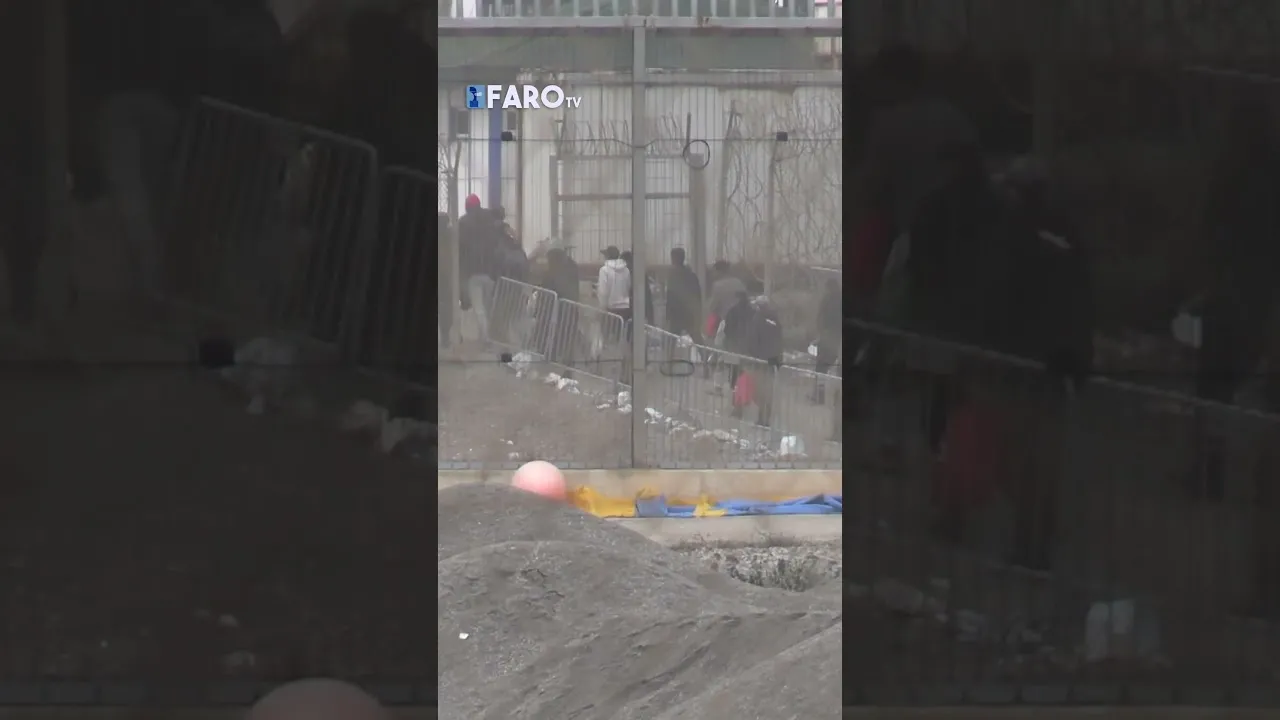

Situated just a few kilometers apart, the Moroccan city of Fnideq and the Spanish enclave of Ceuta represent not only a geographical divide but also a profound chasm between the aspirations of potential migrants and the harsh realities they face at home. Following a significant event on July 30, when an estimated 72,000 individuals crossed from Morocco into Ceuta, social media buzzed with renewed calls for another mass crossing attempt in mid-August. However, this surge in hopeful ambition came with a stark reminder of the dangers involved, as approximately 100 individuals lost their lives during the earlier crossing attempt, and most of those who successfully entered Ceuta have since returned to Morocco. Current estimates suggest that between 2,000 and 8,000 migrants remain in Ceuta, enduring dire living conditions while awaiting decisions from Spanish authorities about their futures, many forced to sleep on the beach amidst uncertainty.
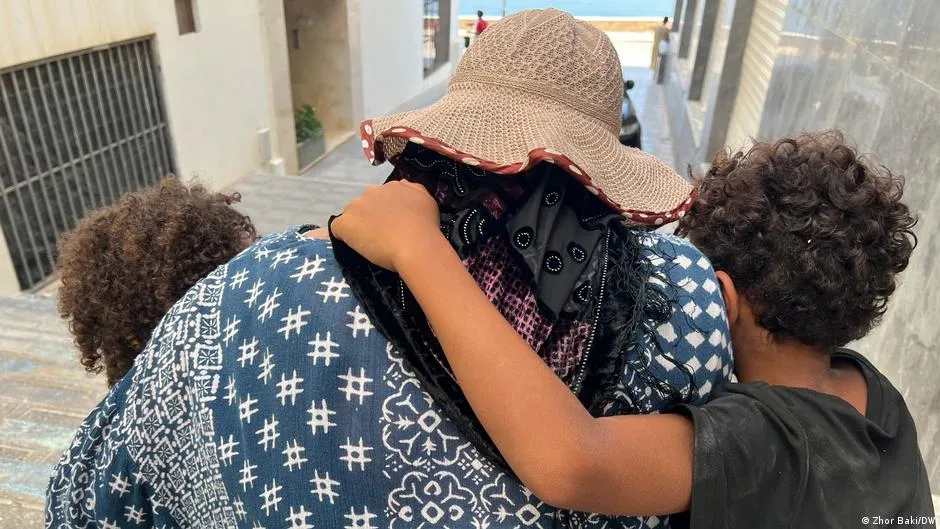
In stark contrast, back in Morocco, the dreams of many still flicker with hope. One such individual is Malika, who traveled from Casablanca to Fnideq with her two children, spurred by the news of the July crossings. "My life is below zero," she confessed through tears, emphasizing her struggles to provide for her family. For weeks, she has roamed the streets searching for food, often forced to sleep outside. With rumors of a new opportunity to cross into Ceuta circulating, Malika remains hopeful that a successful crossing would lead to a better life for her children, who she believes would find educational opportunities and support in Ceuta.
Despite the heavy security presence reported around Ceuta, which included numerous checkpoints and patrols, some young Moroccans like Ahmed Amhid are drawn to Fnideq, driven by the lack of prospects in their hometowns. Ahmed, a 22-year-old from Oued Zem, voiced his frustration over the bleak job market and the absence of industries in Morocco, expressing a strong desire to emigrate. He and many others have been influenced by the powerful narratives shared on social media, which often showcase successful crossings, creating a collective sentiment that drives many to seek a better life abroad.
However, not everyone in Fnideq shares the same aspirations. Mohamed al-Dami, a 30-year-old local trader, has no intention of leaving Morocco despite witnessing many attempts to cross the border. He emphasizes the importance of stability and personal contentment, asserting that if one can secure a living and provide for their family, there is no need to risk everything by attempting a perilous journey. This sentiment is echoed by other locals, including merchant Munir Hamdouch, who also acknowledges the challenges faced in Fnideq but finds solace in his family and business.
As the situation continues to evolve, the effects of migration are palpable in Fnideq, transforming the city from a mere transit point for migrants into a place deeply shaped by their presence. Local activists point out that migration has significant economic, social, and cultural impacts, reshaping the identity of Fnideq and its attractiveness to tourists. As the community grapples with the dual realities of aspiration and despair, the story of those caught between the promise of Ceuta and the struggles of home unfolds, revealing a complex narrative of hope, longing, and the human spirit's desire for a better future.
As reported by dw.com.