
EasyJet's Controversial Recruitment Strategy in Morocco
The British low-cost airline EasyJet is encountering significant backlash from French pilot unions regarding its decision to recruit pilots based in Morocco under self-employed contracts. Labor representatives have voiced strong concerns, accusing the airline of exploiting Morocco’s employment framework as a means to minimize operational costs and maximize profit margins. This strategy raises serious questions about the implications for pilot welfare and employment rights, as unions argue that such a model shifts social and financial risks directly onto the pilots while allowing EasyJet to maintain absolute operational control over its workforce.
According to reports from the French newspaper La Tribune, the French National Union of Airline Pilots (SNPL) has criticized EasyJet’s recruitment approach, highlighting a clear intent to slash costs in pursuit of greater profitability. The union warns that this method could promote social dumping, thereby eroding vital employment protections that pilots typically enjoy. The SNPL indicated that pilots hired in Morocco are contracted through Storm Aviation, a staffing company based in Ireland, which is a departure from the traditional employment methods employed by EasyJet in other locations.
Operational Developments and Future Prospects
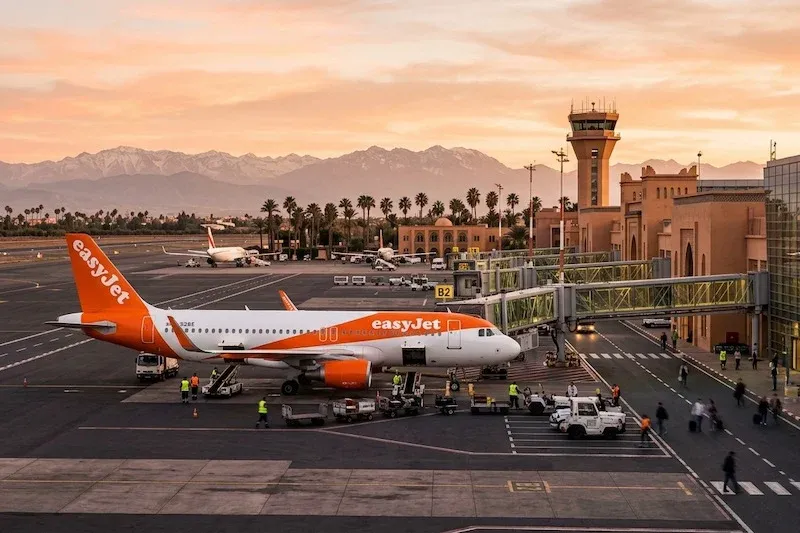
In October 2025, EasyJet announced the establishment of its inaugural operating base in Morocco, specifically located in Marrakech, with operations set to commence in April 2026. This new base is expected to operate three aircraft and service approximately 30 routes linking Morocco with various European cities, thereby generating around 100 new jobs, including about 60 positions for pilots. However, the union has pointed out that the contracts offered to pilots at this base were self-employed agreements, contrasting sharply with the conventional employment contracts that the airline provides in other regions.
While EasyJet has not explicitly confirmed or denied the nature of these contracts for Morocco-based pilots, the airline has clarified that no pilots currently stationed in Marrakech were recruited through external partners. According to EasyJet, the pilots flying from Marrakech are actually seconded from other bases within the airline’s network. The company also noted that the use of specialized aviation recruitment agencies is a common practice in Morocco and is not unique to EasyJet, as other airlines operating in the region employ similar strategies.
Furthermore, EasyJet has previously asserted that its Marrakech base represents the airline's first permanent operating facility in Africa, marking a significant step in its long-term collaboration with the Moroccan National Tourist Office (ONMT). The airline anticipates that this new base will offer approximately 4 million seats in its first operational year while creating around 100 direct jobs alongside thousands of indirect opportunities. In addition, EasyJet has introduced four new routes connecting Marrakech with European cities such as Hamburg, Lille, and Strasbourg, as well as a new service between Geneva and Tangier. EasyJet's Chief Executive, Kenton Jarvis, has emphasized Morocco as a key market for the airline, underscoring its rapid growth as a destination outside of Europe and asserting that the Marrakech base will enhance connectivity between Morocco and various European locations.
As reported by en.hespress.com.