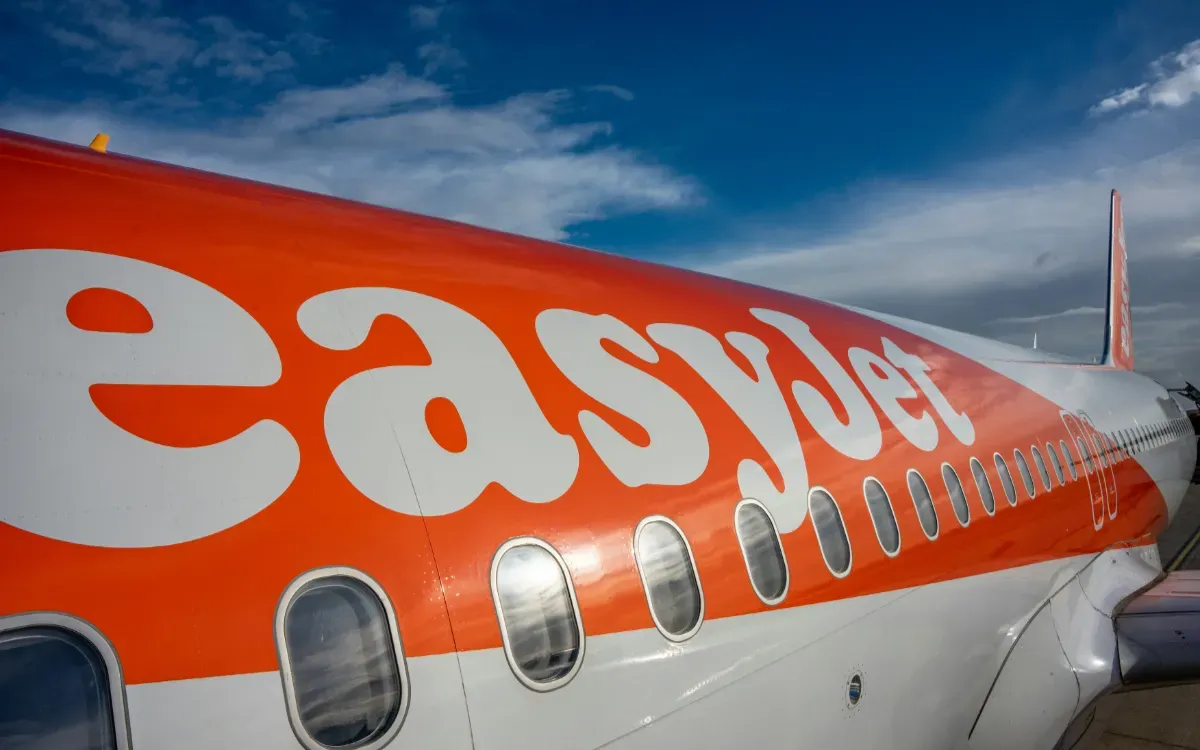

As part of its expansion strategy, easyJet is reportedly looking to fill pilot positions at its newly established base in Marrakech by offering contracts under the status of auto-entrepreneur. The airline has assured that pilots currently operating from Morocco remain detached from its other bases, maintaining a separation between its operational sectors.
Opened in April, easyJet's Moroccan base consists of three aircraft and provides service to approximately thirty European routes. This new hub is expected to create around 100 jobs, including roughly sixty pilot positions. However, the National Union of Airline Pilots (SNPL) has expressed concerns regarding the nature of the employment contracts being offered. According to the union, pilots recruited for long-term positions in Marrakech would not receive traditional salaried contracts. Instead, they would be contracted through Storm Aviation, an Irish company, which would then make them available to easyJet.
The SNPL has highlighted that this employment structure is unprecedented within easyJet and raises significant concerns, as it may impose financial and social risks on the pilots while allowing easyJet to retain control over their operational activities. The union fears that such a setup could diminish pilots' social protections and expose them to greater financial risks in the event of work stoppages. Moreover, they worry that this economic pressure might lead to potential safety issues, although they have not reported any incidents occurring in Marrakech thus far.
EasyJet has neither confirmed nor denied the nature of the contracts proposed for the recruitment in Marrakech, but it has clarified that no current pilot operating from the Moroccan base has been hired through a contractor. The crews working from Marrakech are currently detached from other easyJet bases. Therefore, the concerns raised by the SNPL pertain primarily to future pilots who are expected to work permanently in Morocco, rather than those already operating flights.
Furthermore, the airline defends its decision to utilize a recruitment agency, which it describes as a common model in Morocco and one that is employed by various other carriers.
As reported by bladi.net.