AFCON 2025: A Catalyst for Economic Growth in Morocco
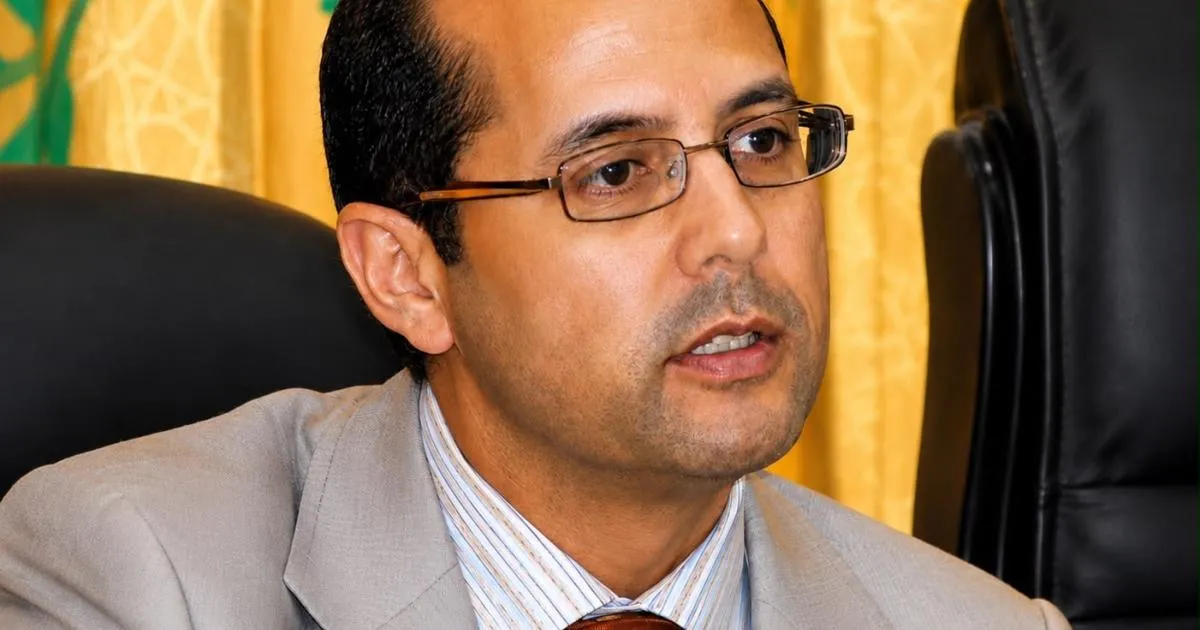
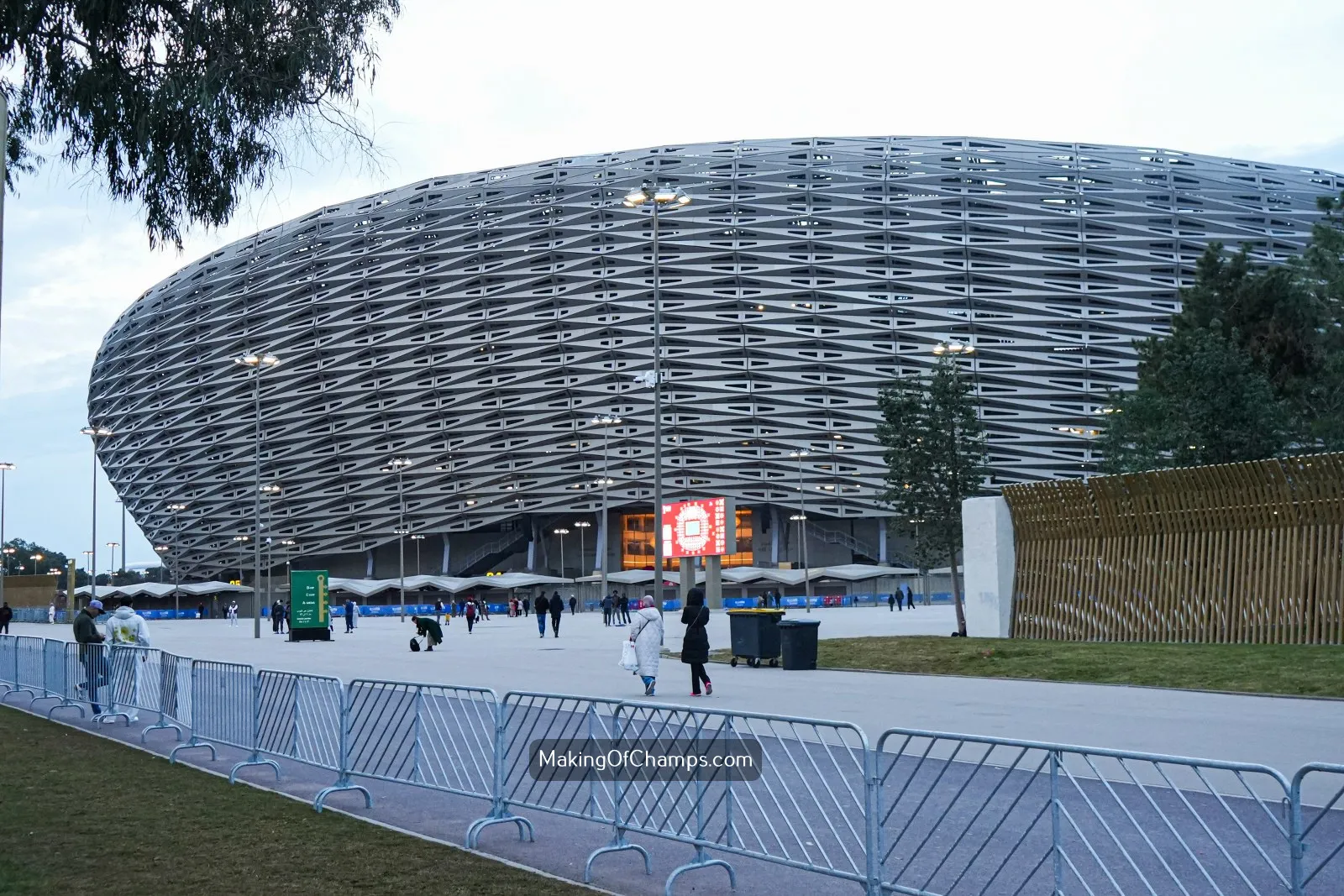
Morocco recently experienced a tumultuous journey through the Africa Cup of Nations (AFCON) 2025, culminating in a narrow 1–0 loss to Senegal in the final match held at the Prince Moulay Abdellah Stadium. This heartbreaking defeat, while disappointing for the home crowd, has not overshadowed the substantial economic benefits derived from hosting this prestigious tournament. The Atlas Lions, despite their failure to clinch the continental title on home soil, have spurred a remarkable financial windfall for the nation. According to Ryad Mezzour, Morocco’s Minister of Industry and Commerce, the direct revenues generated from AFCON 2025 exceeded €1.5 billion (approximately MAD 16 billion). These funds have played a crucial role in financing about 80% of the infrastructure investments necessary for the upcoming 2030 FIFA World Cup, which Morocco will co-host alongside Spain and Portugal.
This impressive financial return is attributed to the influx of an estimated 600,000 visitors who traveled specifically for the tournament, contributing to a record year for Moroccan tourism. The total number of arrivals reached 20 million, marking a 14% increase that has invigorated key sectors such as transport, hospitality, dining, and handicrafts. The presence of these visitors has injected immediate liquidity into the national economy, highlighting the dual effect of revenue generation and investment that the tournament has facilitated.
A Lasting Legacy: Infrastructure and Employment Growth
Morocco's investment of roughly €2.3 billion in tournament-related infrastructure, described by Mezzour as a long-term “sovereign investment,” has resulted in significant upgrades across the country. The construction and renovation of nine stadiums, along with enhancements to roads, airports, and public services, have paved the way for a decade's worth of development achieved in just 24 months. Mezzour emphasized that these infrastructural improvements will serve the nation for decades to come, reinforcing Morocco's position as a competitive destination on the global tourism stage.
In addition to the infrastructural boost, the tournament has generated over 100,000 new jobs, many of which exceed temporary roles and provide young workers with training aligned with international standards. This not only enhances their long-term employability but also engages more than 3,000 industrial firms involved in the construction projects linked to the tournament. Furthermore, AFCON 2025 has served as a catalyst for technological advancements, including the implementation of 5G networks, digital identification systems, and enhanced cybersecurity measures, attracting new investments and reducing operational costs.
Reflecting on the overall impact, Mezzour acknowledged the disappointment of the final match outcome but emphasized that AFCON 2025 stands out as one of the most financially successful tournaments in history for both Morocco and the Confederation of African Football (CAF). The event resonated globally, with approximately 2 billion viewers and 10 billion social media impressions, showcasing Morocco's organizational capabilities on the world stage. Looking ahead, with about 80% of the needed sports infrastructure for the 2030 World Cup already in place, Morocco is well-positioned for future success. Major projects still on the agenda include extending high-speed rail lines and expanding hotel capacities, ensuring that the nation is prepared to welcome even more visitors in the years to come.
As reported by bsnsports.com.ng.