
Landmark Agreement Signed at ECOWAS Summit in Freetown
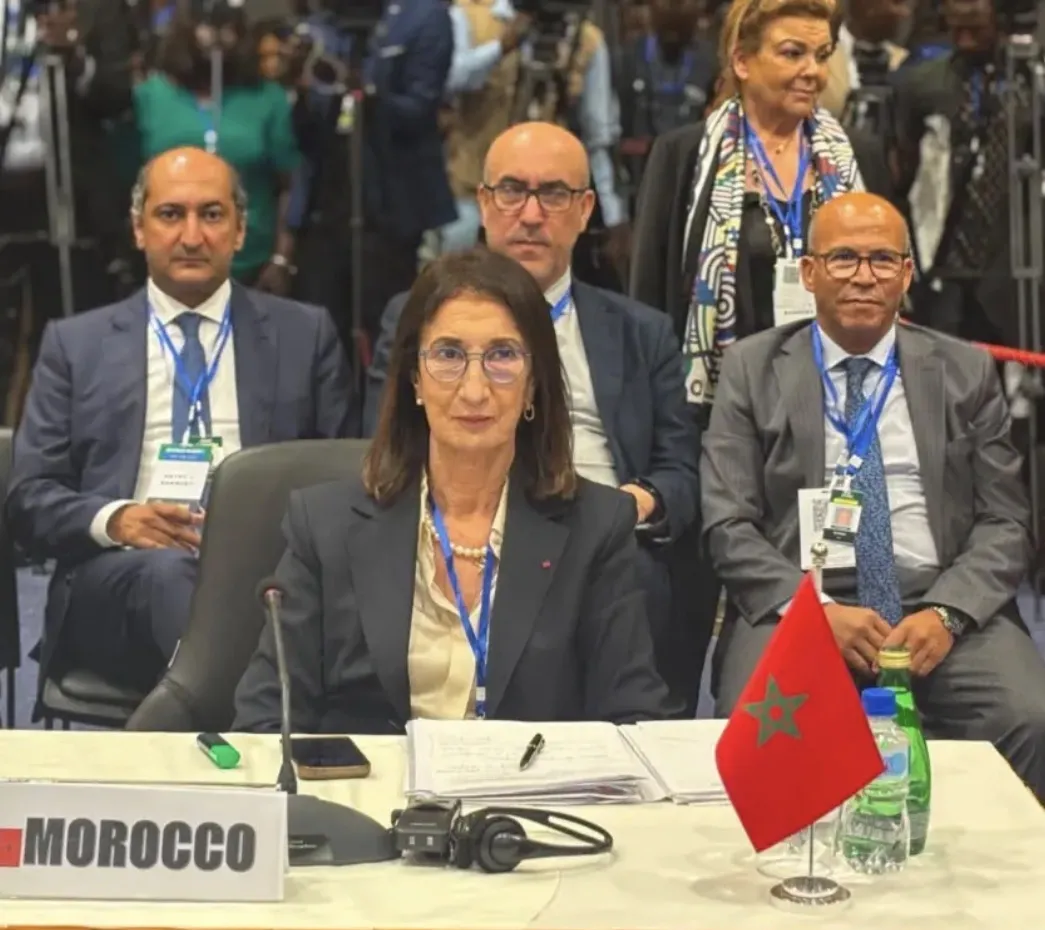
During the recent summit of heads of state and government of the Economic Community of West African States (ECOWAS) held in Freetown, Sierra Leone, a significant milestone was achieved with the signing of an international government agreement that lays the groundwork for the development of the Nigeria-Morocco Atlantic Gas Pipeline. This ambitious energy infrastructure project spans approximately 6,800 kilometers and aims to transport natural gas from Nigeria to Morocco, ultimately connecting it to the European gas network.
This signing symbolizes the official commitment of ECOWAS member states to the Nigeria-Morocco Atlantic Gas Pipeline project, which was initially launched by the late Nigerian President Muhammadu Buhari and Moroccan King Mohammed VI. The project continues to receive strong backing from current Nigerian President Bola Ahmed Tinubu. The development of this pipeline is being managed by Morocco's National Office of Hydrocarbons and Mines (ONHYM) and Nigeria's National Petroleum Corporation Limited (NNPC Ltd).
Future Phases and Regional Integration
The important agreement signed in Freetown paves the way for the next phases of the project, which will include the establishment of a project company headquartered in Casablanca, Morocco, and the creation of the Pipeline Higher Authority, a governance body for the project that will be based in Abuja, Nigeria. Following this, efforts will focus on mobilizing investors and preparing for the Final Investment Decision (FID).
This project is set to culminate in a joint signing ceremony involving both Morocco and Mauritania, two countries that are not members of ECOWAS, during a separate event to be held in the future with the presence of the Nigerian President. Once completed, the gas pipeline will traverse 13 countries along the African Atlantic coast, connecting with the Maghreb-European gas pipeline in northern Morocco. It is expected to transport 30 billion cubic meters of natural gas annually, with up to 15 billion cubic meters earmarked for export to Morocco and Europe, while the remainder will serve regional markets.
With an estimated cost of around $25 billion, the Nigeria-Morocco Atlantic Gas Pipeline project aims to create an integrated regional market for natural gas in West Africa, supporting electricity production, manufacturing, and the optimization of the continent's natural resources. The initial phases are anticipated to commence at the beginning of the next decade.
Initially launched as a strategic initiative between Morocco and Nigeria, the Atlantic Gas Pipeline is now firmly established as a project supported by the entire West African region. The endorsement of the project by ECOWAS member states enhances its political and institutional foundations, reinforcing the momentum provided by the two nations that initiated it. They believe that energy security in Africa is a fundamental driver of sovereignty, manufacturing, and shared prosperity.
By solidifying the collective commitment of ECOWAS member states, the Freetown summit underscores the African dimension of this initiative and its integration into the core policies of continental integration. The National Office of Hydrocarbons and Mines and the Nigerian National Petroleum Corporation have reported that key technical, environmental, and engineering studies have been completed, allowing the project to gradually transition into the operational development phase following the signing of this agreement between Morocco and Mauritania in Rabat.
In addition to its energy role, this infrastructure is also poised to serve as a genuine conduit for development, linking African economies and enhancing their integration and competitiveness.
As reported by elaph.com.