
ECOWAS Announces Participation in Strategic Gas Pipeline
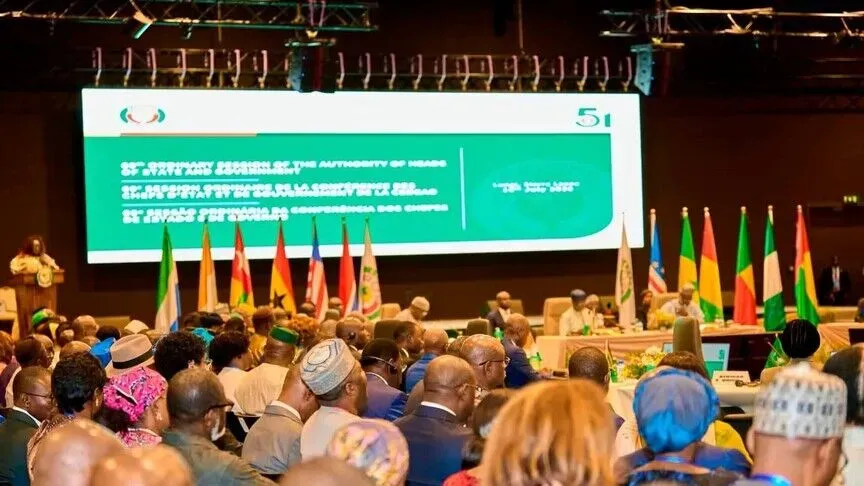
On July 20, 2026, the Economic Community of West African States (ECOWAS) announced its formal involvement in the Nigeria-Morocco gas pipeline project during a summit held in Freetown, the capital of Sierra Leone. This significant development was reported by Morocco's official news agency, highlighting the importance of this project for regional energy cooperation.
The international governmental agreement that outlines the framework for the development of the Atlantic African gas pipeline was officially signed during this summit. The idea of the gas pipeline connecting Nigeria and Morocco was initially conceived during a state visit by Moroccan King Mohammed VI to Nigeria in December 2016. This ambitious infrastructure project is set to span approximately 5,660 kilometers, with an estimated cost of $25 billion. It will be constructed in several phases to meet the increasing energy demands of the countries it will traverse, as well as Europe.
The pipeline will pass through numerous West African nations, including Benin, Togo, Ghana, Ivory Coast, Liberia, Sierra Leone, Guinea, Guinea-Bissau, The Gambia, Senegal, and Mauritania, according to Morocco's Ministry of Energy Transition. This extensive network aims to enhance energy security and facilitate economic integration within the region.
Established on May 28, 1975, ECOWAS is dedicated to promoting economic integration and cooperation among West African countries. The community consists of Benin, Cape Verde, Ivory Coast, The Gambia, Ghana, Guinea, Guinea-Bissau, Liberia, Nigeria, Senegal, Sierra Leone, and Togo. However, Burkina Faso, Niger, and Mali withdrew from ECOWAS in January 2025 to form a new independent grouping known as the 'Confederation of Sahel States.'
As reported by aa.com.tr.