
ECOWAS Officially Joins the Nigeria-Morocco Atlantic Gas Pipeline Initiative
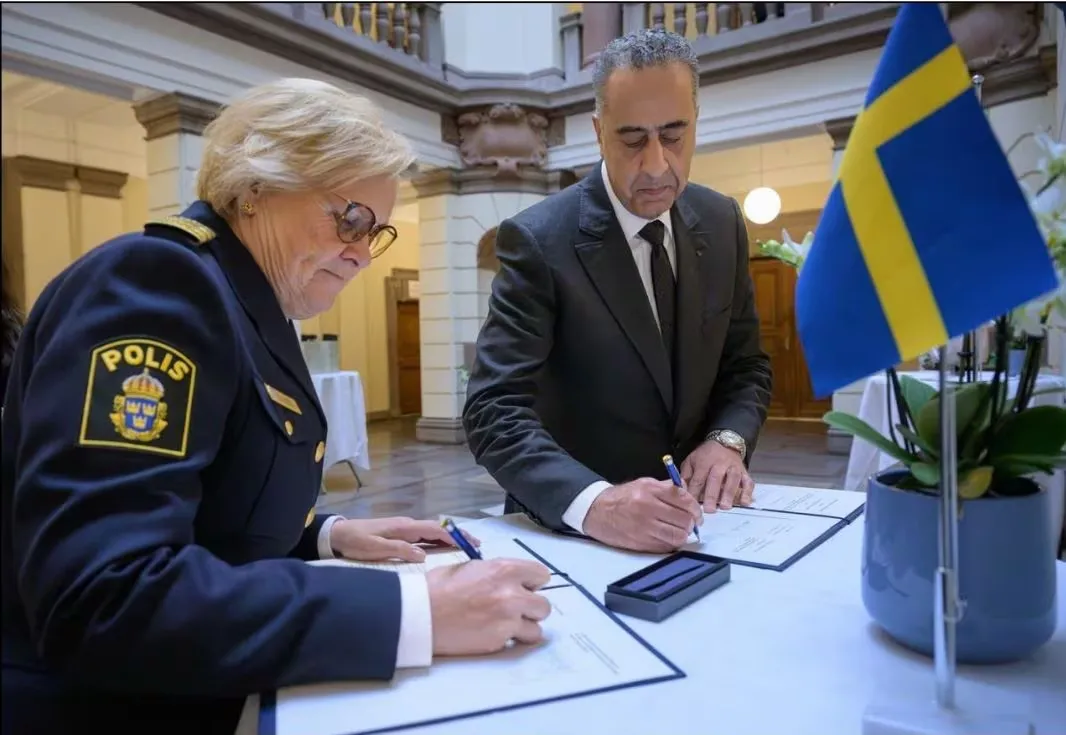
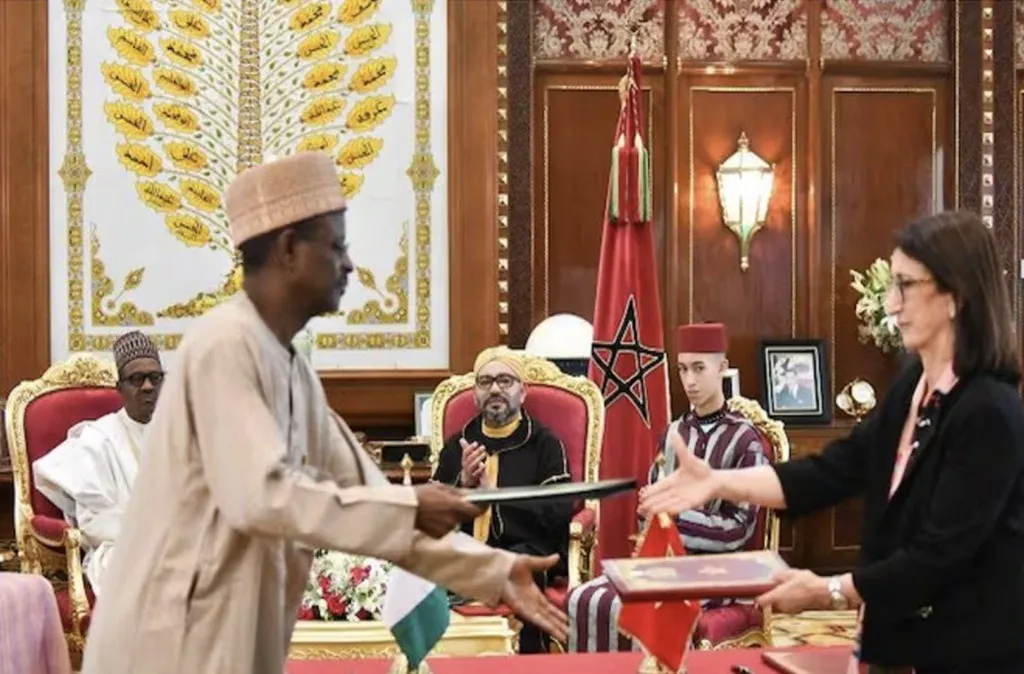
During a significant summit held in Freetown, Sierra Leone, the Economic Community of West African States (ECOWAS) has officially joined the Nigeria-Morocco Atlantic Gas Pipeline project. This intergovernmental agreement (IGA) was signed on July 19, marking a key milestone in the collaborative effort to create a robust energy infrastructure in West Africa. The initiative, originally launched by King Mohammed VI of Morocco and the late Nigerian President Muhammadu Buhari, continues to receive steadfast support from the current Nigerian leader, President Bola Ahmed Tinubu. The project is a joint venture between Morocco's National Office of Hydrocarbons and Mines (ONHYM) and the Nigerian National Petroleum Company Limited (NNPC Ltd.), illustrating a strong commitment to enhancing energy cooperation across the region.
A Comprehensive Energy Corridor Spanning 6,800 Kilometers
The ambitious gas pipeline, measuring approximately 6,800 kilometers, is designed to transport natural gas from Nigeria to Morocco, ultimately connecting to the European gas network. This infrastructure not only aims to facilitate the movement of gas but also seeks to create an integrated regional natural gas market in West Africa, estimated to cost around $25 billion. The pipeline is expected to have an annual transport capacity of 30 billion cubic meters of natural gas, with projections suggesting that up to 15 billion cubic meters could be exported to Morocco and Europe, while the remainder will serve regional markets. Once operational, this pipeline will traverse thirteen countries along the African Atlantic coast and will connect with the Maghreb-Europe gas pipeline in northern Morocco, significantly enhancing the energy landscape of the region.
The signing of the agreement in Freetown marks the beginning of crucial phases for the project, including the establishment of the project company in Casablanca and the governance authority in Abuja. This process will culminate in securing investment and finalizing investment decisions. In addition, a subsequent signing ceremony will include the Kingdom of Morocco and the Islamic Republic of Mauritania, which are not ECOWAS members, highlighting the broader regional collaboration in this endeavor.
The completion of the Nigeria-Morocco Atlantic Gas Pipeline is anticipated to pave the way for increased electricity generation, industrialization, and resource optimization across the continent, serving as a vital development corridor that connects African economies. With the main technical, environmental, and engineering studies completed, the project is poised to enter its operational development phase, promising to bolster the integration and competitiveness of African nations.
As reported by lecourrierdelatlas.com.