Strengthening Bilateral Relations Between Egypt and Morocco
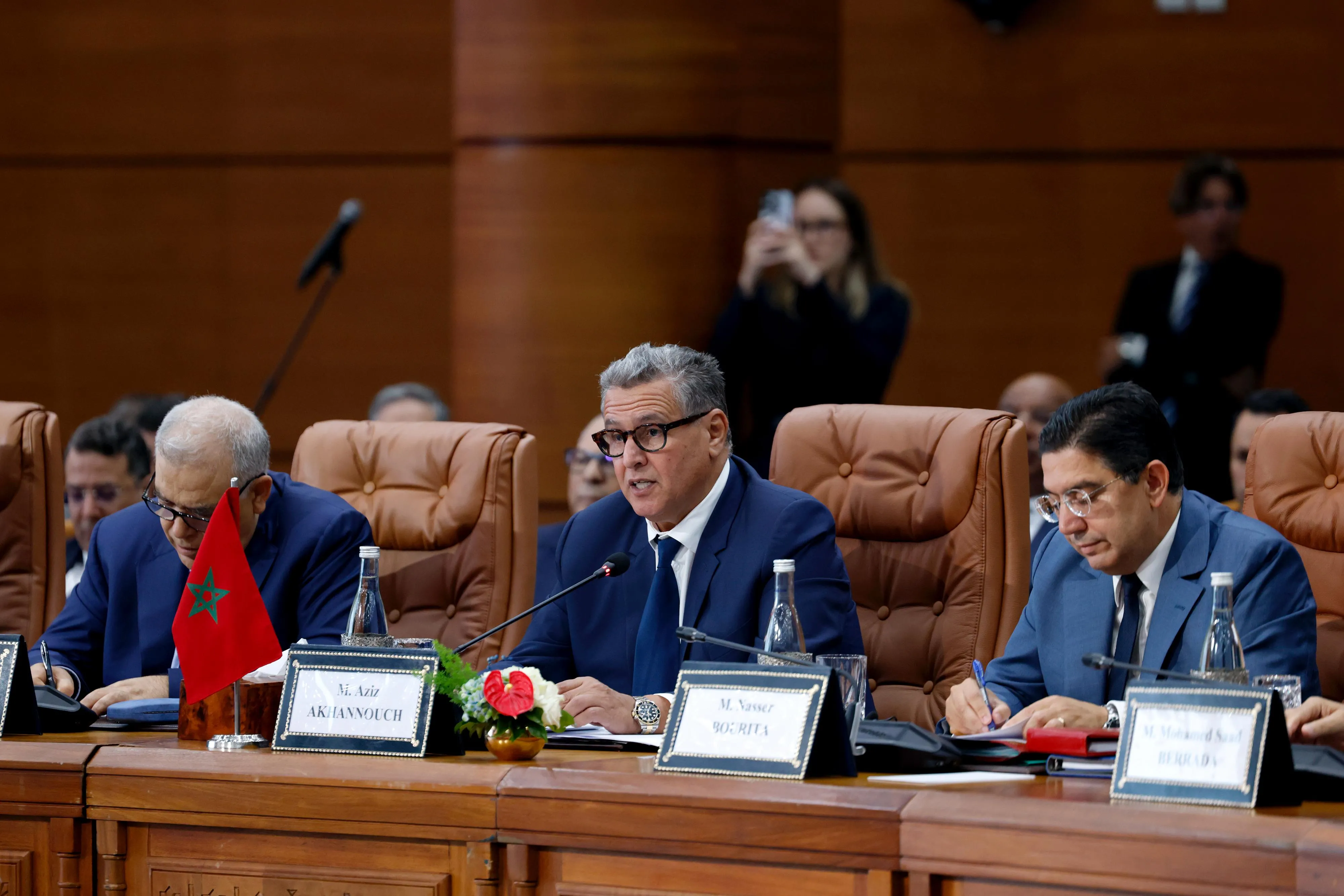
On Monday, April 6, in Cairo, Egypt officially reaffirmed its support for Morocco's territorial integrity and the recent United Nations Security Council resolution regarding the Sahara issue. This position was documented in the minutes of the inaugural session of the Morocco-Egypt Coordination and Monitoring Committee, which highlighted Morocco's autonomy initiative as the most viable solution under Moroccan sovereignty. The session, co-chaired by Moroccan Prime Minister Aziz Akhannouch and Egyptian Prime Minister Mostafa Madbouli, resulted in a series of concrete commitments that outline the contours of a comprehensive strategic partnership between Rabat and Cairo.
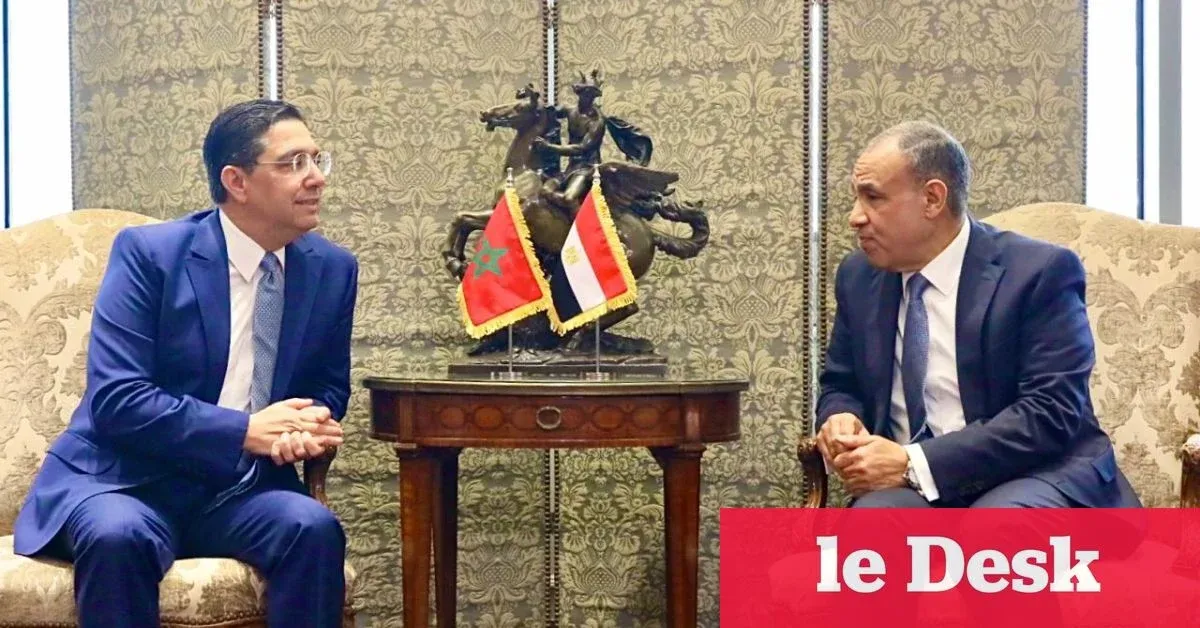
Akhannouch emphasized that this meeting was part of a high-level dynamic driven by King Mohammed VI and President Abdel Fattah Al-Sissi, aimed at elevating bilateral relations towards a partnership based on effective solidarity, comprehensive economic integration, and political coordination on regional and international issues. He described this session as a new charter that lays the foundations for pragmatic orientations between two key regional poles. Concurrently, Moroccan Foreign Minister Nasser Bourita and his Egyptian counterpart Badr Abdelatty held discussions on the sidelines of the committee to explore ways to enhance bilateral relations and address common interests.
Ambitious Economic Roadmap and Strategic Initiatives
The economic roadmap established in Cairo is ambitious. Akhannouch stressed the need to balance the increase in bilateral trade volume by leveraging an already rich legal framework while eliminating administrative constraints that hinder the flow of goods and investments. One of the flagship projects involves developing direct logistical and maritime connectivity between the Port of Tanger Med and the East Port-Said, linked to the Suez Canal axis. The goal is to transform both countries into an integrated platform capable of serving as a common access point to African, European, and Asian markets.
Industrial integration also occupies a central role, with a focus on promoting the complementary industries of both economies and capitalizing on their respective competitive advantages through economic forums, business meetings, and cross-participation at sectoral trade shows. An announcement was made regarding the establishment of a Moroccan-Egyptian investment platform that will bring together the investment bodies of both countries to facilitate information exchange, coordinate promotional efforts, and explore opportunities for joint projects. The energy sector is also a focal point, with both parties aiming to exchange expertise and experiences in developing large-scale solar and wind energy projects, particularly focusing on green hydrogen. Furthermore, cooperation extends to the mining sector, where mutual capacity building and data sharing in exploration will be enhanced. Within the continental context, Rabat and Cairo plan to strengthen their coordination within the African Continental Free Trade Area (AfCFTA) to position themselves as an integrated economic bloc on the continent.
Several legal mechanisms were signed during this session to update the bilateral regulatory framework and adapt it to global changes. Akhannouch also underscored the importance of cultural dimensions, calling for intensified cooperation in areas such as tangible and intangible heritage, cultural and creative industries, and participation in artistic festivals. Geopolitically, the Prime Minister reiterated the centrality of the Palestinian issue, asserting that military escalation in the Middle East should not overshadow this fundamental matter. He reaffirmed King Mohammed VI's commitment, as the President of the Al-Quds Committee, to preserve the legal status and civilizational vocation of the holy city.
The Moroccan delegation present in Cairo reflects the scope of bilateral ambitions, including ministers such as Nadia Fettah (Economy and Finance), Nizar Baraka (Equipment and Water), Ahmed Bouari (Agriculture), Ryad Mezzour (Industry and Commerce), Mohamed Mehdi Bensaid (Youth, Culture, and Communication), Karim Zaidan (Investment), and Morocco's ambassador to Egypt, Mohamed Aït Ouali. This ministerial mobilization signifies the willingness of both capitals to transition from a traditional diplomatic relationship to an operational strategic partnership, grounded in concrete projects and a timeline for implementation.
As reported by ledesk.ma.