
Concerns Over Public Contracts Amid Upcoming Elections
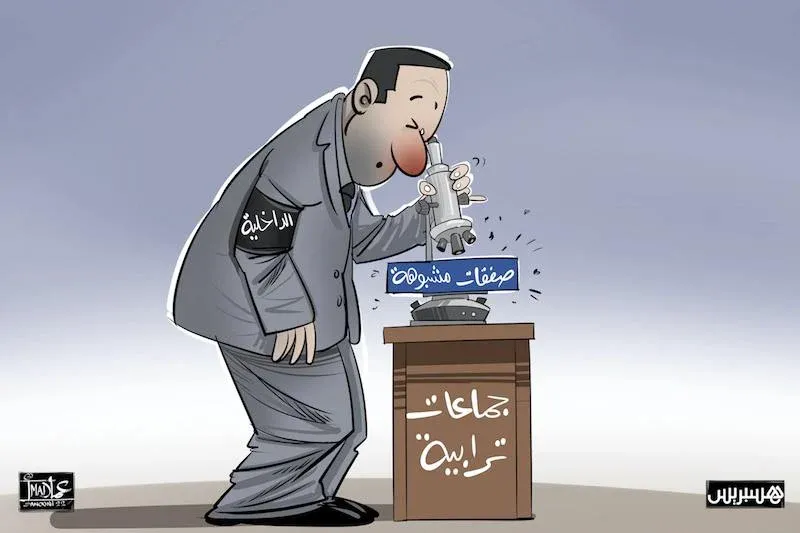
Public contracts and requests for proposals initiated by urban and rural communities have raised alarms within the Ministry of Interior, coinciding with the launch of the electoral campaign for the legislative elections slated for September 23rd. Reports have surfaced indicating that communal works and services are being directed towards specific electoral districts, raising suspicions about the misuse of public funds and community resources for electoral purposes. Sources privy to the situation have informed that reports from the "Internal Affairs" departments in the Casablanca-Settat, Rabat-Salé-Kenitra, and Marrakech-Safi regions highlighted a surge in contracts and requests during this sensitive electoral period, backed by substantial financial allocations aimed at projects involving street paving, asphalt laying, maintenance of green spaces, and enhancement of public lighting.
The timing of these initiatives has garnered significant attention from territorial oversight agencies, particularly because some projects could have been incorporated into previous programs or postponed until after the elections. Such circumstances have amplified doubts about the urgency behind launching these projects and accelerating their execution during the campaign period. Furthermore, the reports notably focused on the geographic distribution of these works, observing a concentration of communal interventions in certain neighborhoods while others remained neglected, aligning with the heightened electoral activity of candidates competing in the legislative race. A connection has been made between some of these interventions and electoral districts that hold strategic importance for candidates and their political allies.
Intensified Scrutiny and Verification Procedures
According to reports, the Ministry of Interior has expanded its monitoring scope to include the decision-making processes surrounding the programming of these expenditures, the sources of the allocated funds, and the selection procedures for the companies tasked with execution. This thorough scrutiny aims to ensure that the request mechanisms and division of works are not being manipulated to expedite assignments, circumventing the competitive and transparency standards mandated in managing communal expenditures. The territorial services in the provinces are anticipated to examine the minutes and decisions related to the initiation of these works and compare them with previously approved annual programs and budgets to ascertain if the interventions in question genuinely address urgent communal needs or if they have been fronted as priorities under electoral pressures.
Moreover, the reports from the "Internal Affairs" departments indicated troubling signs regarding the rapid enhancements in regions favorably viewed by certain candidates, including improvements in roads, sidewalks, lighting, and green areas. This has inadvertently provided these projects with a promotional edge during the campaign, especially as the works coincide with active field movements and electoral meetings in the benefiting districts. The central administration is expected to treat these findings with sensitivity, emphasizing the importance of maintaining public service neutrality and preventing the exploitation of public resources for electoral competition. Verification measures are set to encompass all contentious contracts and requests, starting from identifying needs and programming, through expenditure commitments and contractor selection, to the actual execution of works and payment processing.
As the situation develops, immediate monitoring operations are likely to concentrate on verifying the existence of objective justifications for prioritizing certain neighborhoods and areas. A comparative analysis of the scale of interventions in these regions versus others under the same municipalities will provide insights into whether the distribution of projects and services has adhered to actual community needs or has been swayed by electoral considerations and voting map calculations.
As reported by hespress.com.