
Significant Voter Engagement in Casablanca-Settat
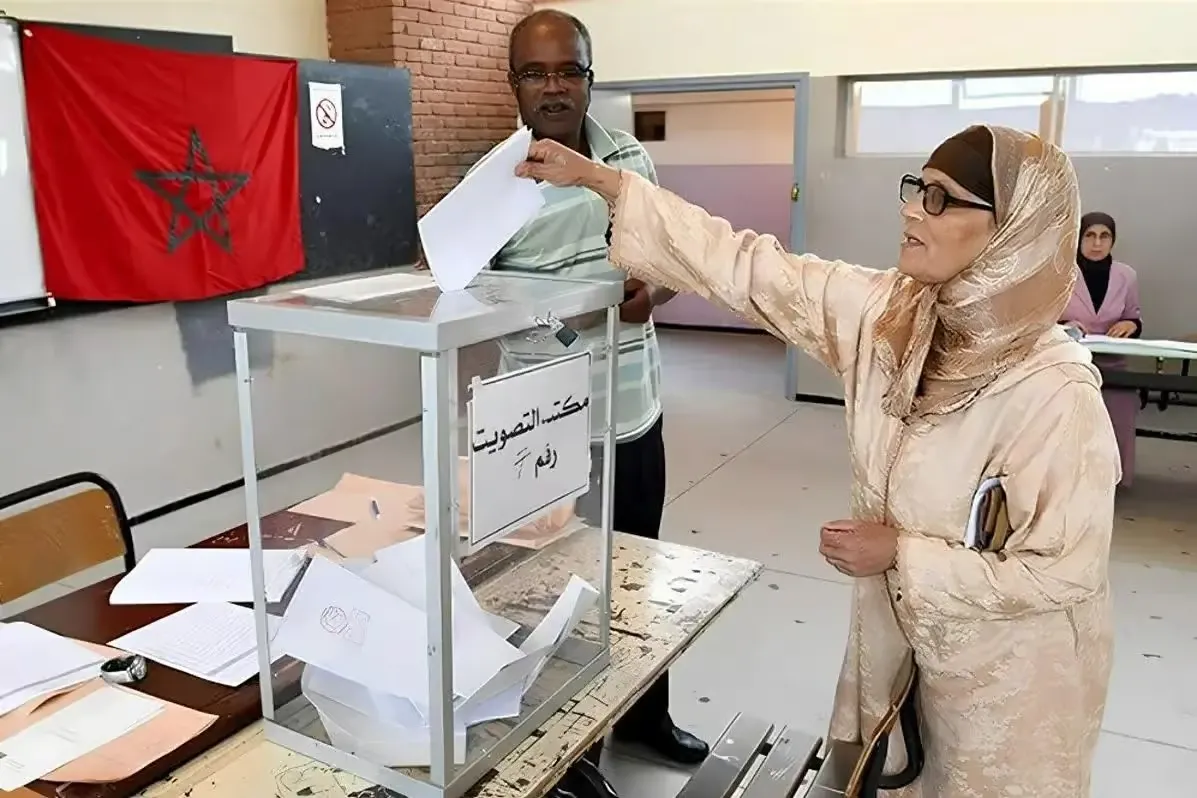
The Casablanca-Settat region has witnessed an impressive mobilization of voters during the legislative elections held on September 23, 2026. A total of 2,929,184 voters participated from across 2,436 polling centers, with the city of Casablanca alone accounting for 1,286,977 voters, highlighting its pivotal role in the region’s electoral landscape. This concentration of voters not only underscores the importance of Casablanca in the regional electoral framework but also reflects the diverse demographic engagement across various localities.
The data reveals notable disparities in voter distribution among the different prefectures and provinces. For instance, in areas outside of the Casablanca metropolitan prefecture, El Jadida leads with 371,198 voters, followed by Settat with 281,166, and Sidi Bennour with 213,359. The voting centers are equally distributed, with El Jadida hosting 530 centers, while Sidi Bennour has 347. The overall figures indicate a robust infrastructure to support the electoral process, with a total of 2,436 polling centers established across the region.
Casablanca: The Heart of Voter Participation
Casablanca stands out as the primary electoral nucleus in the region, with 1,286,977 registered voters scattered across its various districts. The city is equipped with 376 polling centers to facilitate this engagement. Examining the internal distribution within Casablanca, the Aïn Sebaâ-Hay Mohammadi district mobilized 182,077 voters, while Hay Hassani and Sidi Bernoussi reported 200,222 and 203,082 voters, respectively. Other districts such as Ben M’Sik, Al Fida-Mers Sultan, and Casablanca-Anfa also contributed significantly to the voter turnout, showcasing the diverse electoral interests across the urban fabric of Casablanca.
These statistics not only reflect voter enthusiasm but also indicate the logistical challenges and opportunities presented by such a large electoral body. As the region prepares for the upcoming legislative challenges, the data serves as a crucial indicator of civic engagement and democratic participation. The ongoing electoral process represents a fundamental aspect of Morocco's political landscape, shaping the future governance and representation of the citizens.
As reported by lebrief.ma.