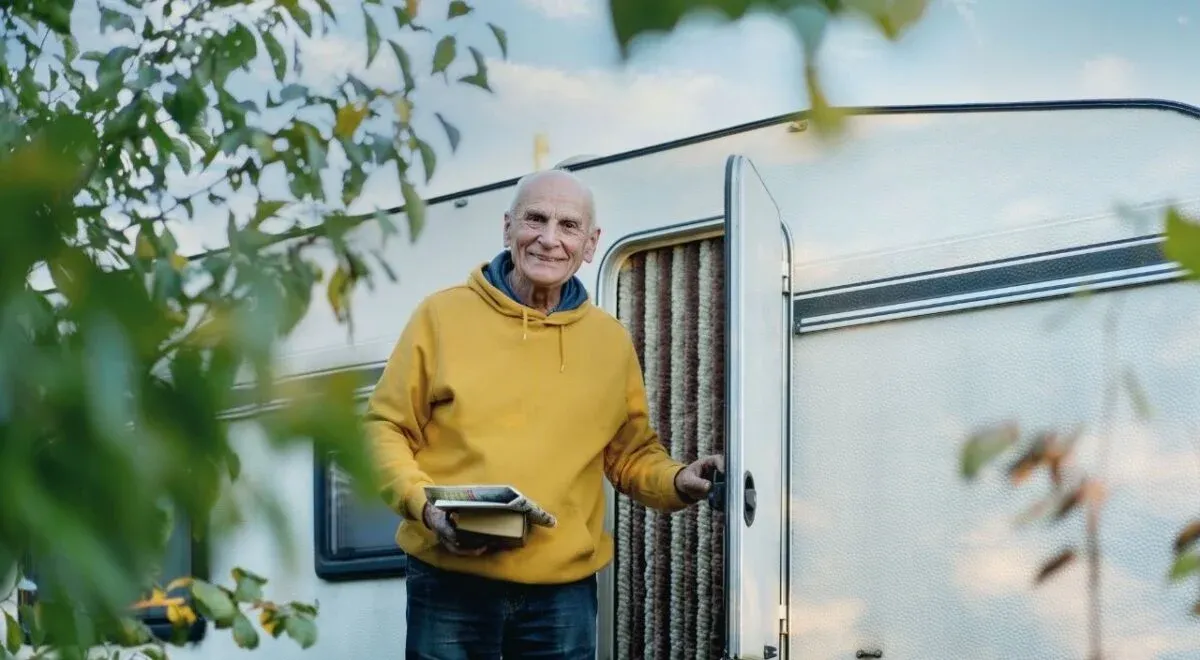

René's Life-Changing Decision at 71
At the age of 71, René made a bold move that many might only dream of—he sold his house in Rennes and opted for a life of adventure by spending the winter months in Morocco, traveling in his camper van. René has traded the comforts of a permanent residence for the warmth and sunshine of Morocco, where he has settled into a four-star campsite that costs merely 8 euros per day. For over a decade, this seasonal migration, from October to March, has become a cherished routine for him. He has completely reorganized his life around this choice, simplifying his existence to the confines of a mobile home while also enjoying a significant improvement in his quality of life. "In France, I was taking medication for my rheumatism; here, with the sun, I no longer need anything," he shares, encapsulating the essence of his transformative experience.
René's decision was not merely about escaping the cold winters of France; it represented a broader trend among retirees seeking a lifestyle that offers both adventure and affordability. With the dilemma of staying "by the hearth" or embarking on a new adventure, René chose the latter, making his dream of a nomadic retirement a tangible reality. This shift in lifestyle reflects a growing number of French retirees who are gravitating towards Morocco, particularly around popular areas like Agadir and Taghazout, seeking a change of pace, the proximity of the sea, and a more affordable cost of living.
A New Perspective on Retirement Living
René's journey into this new lifestyle is emblematic of a larger phenomenon known as lifestyle migration. According to research, nearly 40,000 French retirees head to Morocco between November and spring, drawn by the mild climate and the familiar French-speaking environment. René notes that his vehicle, priced around 60,000 euros, is a reasonable investment compared to a friend's camper van costing 120,000 euros. He perceives his camper as a mobile apartment, allowing him to change his surroundings without straining his retirement budget. The daily living conditions, however, are far from hotel-like; for 8 euros a day, he enjoys amenities such as electricity and essential services, which reduce further for long-term winter stays. A television report even highlighted a retired woman saving approximately 170 euros monthly on heating costs by wintering in Morocco, demonstrating the stark contrast between a Breton winter and one spent in the south.
René frequently reflects on the physical benefits he has experienced since relocating. The reduced humidity, increased sunlight, and daily walking have alleviated his joint pain significantly, leading him to discard his medication. Such testimonials circulate widely among the French retirees, often referred to as "swallows," who flock to Morocco. However, it's crucial to note that these experiences should not replace medical advice; consulting with a healthcare provider about plans for retirement in Morocco is always recommended.
As for the practicalities, French nationals can stay in Morocco for up to 90 days without a visa, with the possibility of extension through local authorities. Additionally, their vehicles are permitted under a temporary admission regime, allowing for three months, renewable once. However, it's vital to adhere to these regulations, as failing to do so or lending one's camper can lead to complications. Therefore, before following in René's footsteps, many retirees ensure their documents are in order just as much as they check on the state of their joints.
As reported by mariefrance.fr.