Redefining Heritage and Optimism in Architecture
In the ongoing discourse surrounding "exhibition architecture," the book "Optimism and Architecture" emerges not merely as a formal alternative, but as a practical approach advocating for a profound shift in our thinking. Heritage, in this context, is not viewed merely as an aesthetic backdrop or decorative material; it is regarded as a living knowledge system that can be reactivated. This perspective allows us to understand architectural heritage as a reservoir of time-tested solutions rather than mere replicable forms. Traditional techniques, climate adaptation patterns, and social relationships created by spaces embody a cumulative experience that represents a form of "slow intelligence," surpassing the rapid consumerist trends of contemporary architecture.
Thus, engaging with heritage becomes an act of optimism, suggesting that the past still has a role in shaping the future—not as a burden but as a potential. The essence of optimism here is reflected in the transition from nostalgia or rigid preservation to re-reading and re-creating. Instead of seeing heritage as something that must be shielded from change, it can be perceived as a dynamic material that is reshaped to meet current needs. This transformation necessitates faith in the ability of communities to self-develop their tools, moving away from importing ready-made models, thereby reflecting an intellectual optimism in local contexts' capacity to generate contemporary solutions rooted in their origins.
From Preservation to Activation
Many urban policies regarding historical cities tend to confine their approach to preservation through strict regulations, superficial restorations, and converting neighborhoods into mere tourist attractions. Such strategies often lead to a harsh paradox: while we succeed in preserving the stones, we fail to safeguard the communities that imbue those stones with meaning. This book proposes a qualitative shift from the concept of "preservation" to "activation," where optimism does not freeze the past but instead believes in the capacity of historical structures to absorb new functions. Architectural traditions hold ecological and social logics that can serve the present. Thus, heritage is not viewed as a regulatory burden, but as a repository of tried-and-tested solutions.
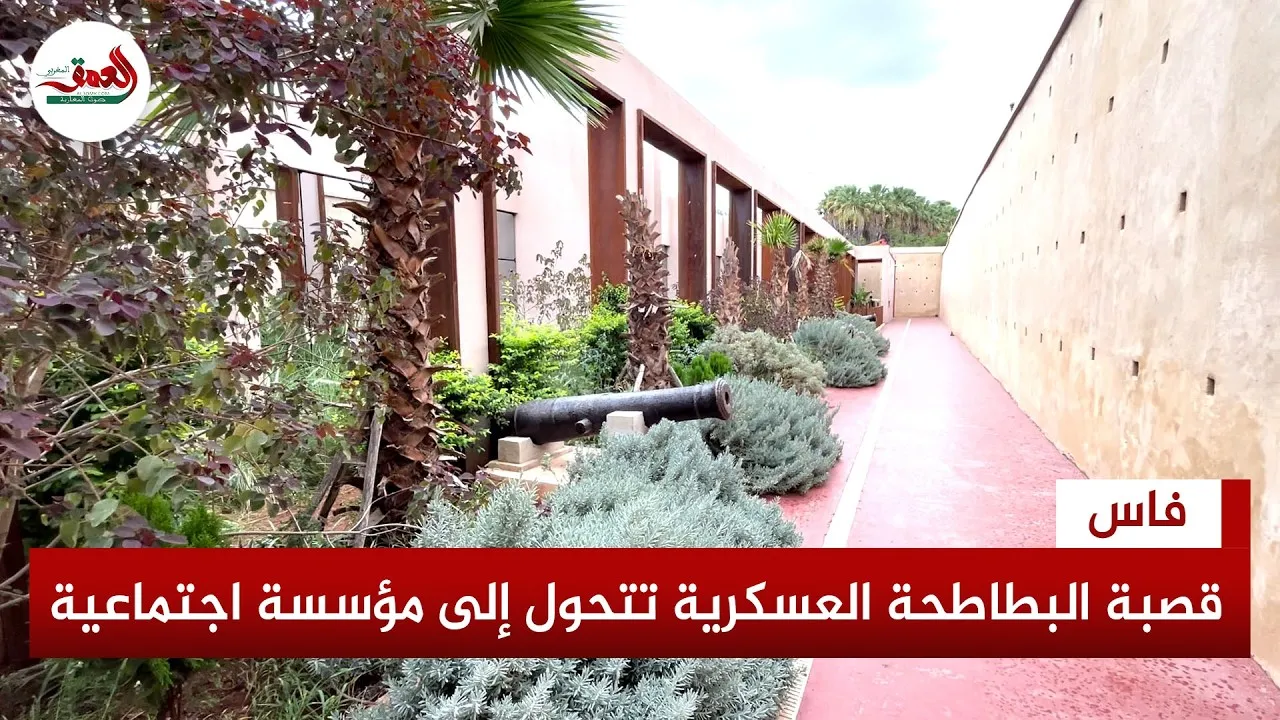
In previous discussions, we highlighted the revival project of the historical city of Esna in Egypt as a quintessential example emphasizing the importance of preserving heritage while involving the local community in this process. The project did not treat the city as a mere archaeological site detached from time; rather, it approached it as a living entity through a series of precise interventions, including facade restorations, enhancement of public spaces, reorganization of community activities, and support for traditional crafts. A similar approach is evident in the rehabilitation of the "Lalla Ydouna" square in Fes, Morocco, where the square, located in the heart of the ancient city, was not seen as a deteriorating urban void but as a vital element in the network of social and economic relationships. The intervention aimed not merely to beautify but to re-establish connections within the city.
One of the project's critical dimensions involved reorganizing movement—not just vehicular traffic but also the flow of people, crafts, and goods. Historically, the square served as a transit point linking artisanal production areas to markets, and this connection was severed due to its decline. Hence, redesigning the flooring, improving access, and clarifying pathways aimed to restore the square's function as a connective link rather than a barrier. Furthermore, the project focused on rehabilitating surrounding buildings, especially those associated with traditional crafts, not to convert them into static exhibits but to sustain their ongoing use. Herein lies the economic dimension of heritage; preserving craftsmanship is not just a cultural act but a prerequisite for the sustainability of the place itself; without daily activity, the square risks becoming a silent scene, regardless of the quality of its restoration.
What distinguishes this experience is its reliance on precise and gradual interventions rather than imposing a massive project all at once. This approach allows for adaptation to community feedback and fosters a continuous learning environment within the planning process, reflecting the essence of optimism discussed in the book—not as an abstract idea, but as a working methodology that embraces complexity and operates within its framework. The cases of Fes and Esna reveal that heritage thrives only when it is part of an economic, social, and cultural production cycle; squares, markets, and historic neighborhoods were not built to be observed but to be utilized, and in their disconnection from this use, they lose their meaning, even if their form remains intact.
Here, optimism manifests as a belief in the possibility of restoring this cycle—not by reproducing the past as it was, but by reinterpreting it. For example, traditional crafts can adapt to new markets, and tourism can become a resource, provided it does not transform into a consumption tool that empties the place of its residents. In summary, the book proposes a fundamental shift in dealing with heritage, from viewing it as a static "scene" to considering it a dynamic "process." While success in the former model is measured by the aesthetic quality of the image, in the latter, it is measured by the place's ability to continue as a vibrant environment. Within this framework, the experiences highlighted in the book, such as that of the city of Fes, are not merely successful models but examples of an alternative methodology; the shift from superficial restoration to reintegrating historical spaces into daily life reveals a deeper vision of the city as a comprehensive social and economic system, not merely an urban fabric.
As reported by annahar.com.