
The Dual Nature of Tourism in Morocco
Tourism serves as a vital source of income, international acclaim, and financial support for the conservation of cultural heritage sites in Morocco. However, it also prompts fundamental questions about the governance of cultural sharing and the allocation of tourism revenues. Who should dictate how cultural narratives are presented, and who benefits from the influx of visitors? These critical inquiries form the crux of a thoughtful examination published by Morocco World News, which draws upon field observations from rural areas in Morocco.
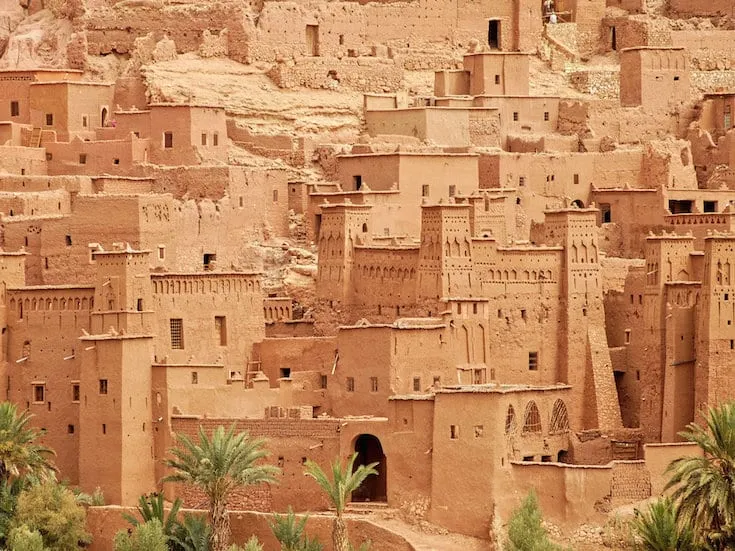
A prime example of the complexities surrounding tourism is the ksar of Aït Ben Haddou, a UNESCO World Heritage Site since 1987 and a popular location for high-profile film productions. While international recognition brings essential funding for conservation and enhances global visibility, a 2022 study assessing the impact of COVID-19 on the local community reveals a troubling reliance on tourism. When visitor numbers plummeted, the local economy faced significant challenges, leading to outmigration and psychological distress among residents. The same research highlighted critical infrastructural shortcomings, such as inadequate healthcare and educational facilities, which persisted even amid ongoing heritage investments. Nevertheless, many locals expressed that tourism provided overall benefits.
Local Agency vs. External Control
The analysis posits that the essential factor is not tourism per se, but rather the extent of local agency associated with it. Communities reliant on unpredictable tourist income often find themselves with limited bargaining power concerning private operators, diminished capabilities for managing tourist flows, and restricted opportunities to collectively influence development priorities. Conversely, communities that are organized into cooperatives or federated networks can enhance their bargaining power, share valuable resources, influence policy decisions, and disseminate practical knowledge across different locales. Women’s cooperatives encountered during the study exemplified this empowerment, showcasing pride in their ability to produce their own goods and achieve financial independence.
To bridge the gap in local agency and ensure equitable outcomes, participatory development methodologies are essential. Initiatives such as UNESCO’s COMPACT program, launched in 2000, emphasize the importance of local stewardship and the empowerment of women's organizations. Documented successes from this initiative, including a notable $35 million in donor funding attracted by Indigenous foundations at Mount Kenya, illustrate that when governance frameworks support community agency, international institutions can enhance rather than replace local efforts.
In conclusion, development processes that genuinely incorporate ongoing community input are more likely to yield just and sustainable outcomes. As tourism continues to influence rural economies in Morocco, its capacity to fund vital services is undeniable. However, this potential can only be fully realized when communities actively participate in decision-making processes that impact their lives, rather than merely serving as passive attractions.
As reported by northafricapost.com.