
Strategic Gender Integration in Morocco's Climate Governance
For Morocco, the integration of gender into the framework of climate governance transcends the realm of social justice; it emerges as a strategic necessity for effective adaptation to climate challenges. Over the past decade, Morocco has established itself as a prominent leader on climate action in both regional and international arenas. The nation hosted COP22 in Marrakech in 2016, marking its intent to bridge the gap between developed and developing countries in climate diplomacy. Following this, Morocco has reinforced its climate commitments, pledging to achieve a significant reduction of 45.5 percent in greenhouse gas emissions by 2030, contingent on international support. The nation has embarked on an array of national strategies aimed at mitigation, adaptation, and energy transition, encapsulated in the National Climate Plan 2022–2030, alongside sectoral plans for agriculture, water, and sustainable development. This proactive stance has positioned Morocco as a model for middle-income countries, evidenced by substantial investments in renewable energy infrastructure, such as the Noor Ouarzazate solar complex, which has markedly increased the share of renewables in its energy mix.
However, it is crucial to recognize that Morocco's climate agenda predominantly adopts a technocratic approach where policy frameworks prioritize emissions reduction targets and infrastructure deployment, often sidelining social differentiation, particularly along gender lines. Gender considerations are frequently relegated to crosscutting principles rather than being treated as binding requirements, leading to inconsistent implementation and a lack of accountability. This disconnect has significant ramifications for climate decision-making participation, the beneficiaries of adaptation investments, and the demographic groups that bear the brunt of environmental changes.
The Gender Gap in Climate Decision-Making
Morocco has made commendable strides in formal gender equality commitments, with the 2011 Constitution enshrining the principle of gender equality and mandating the state to strive for parity. Women's representation in political spheres has seen improvements through quota mechanisms, and national strategies like the Government Plan for Equality emphasize women's empowerment. Despite these advances, women remain significantly underrepresented in climate-related decision-making bodies, particularly at regional and local levels where adaptation policies are crafted and executed. The formulation of climate strategies is largely confined to technical ministries and agencies, with minimal involvement from women's organizations, rural associations, or informal producers. As highlighted by UN Women, a gender-blind approach to climate governance risks perpetuating existing inequalities rather than alleviating vulnerabilities.
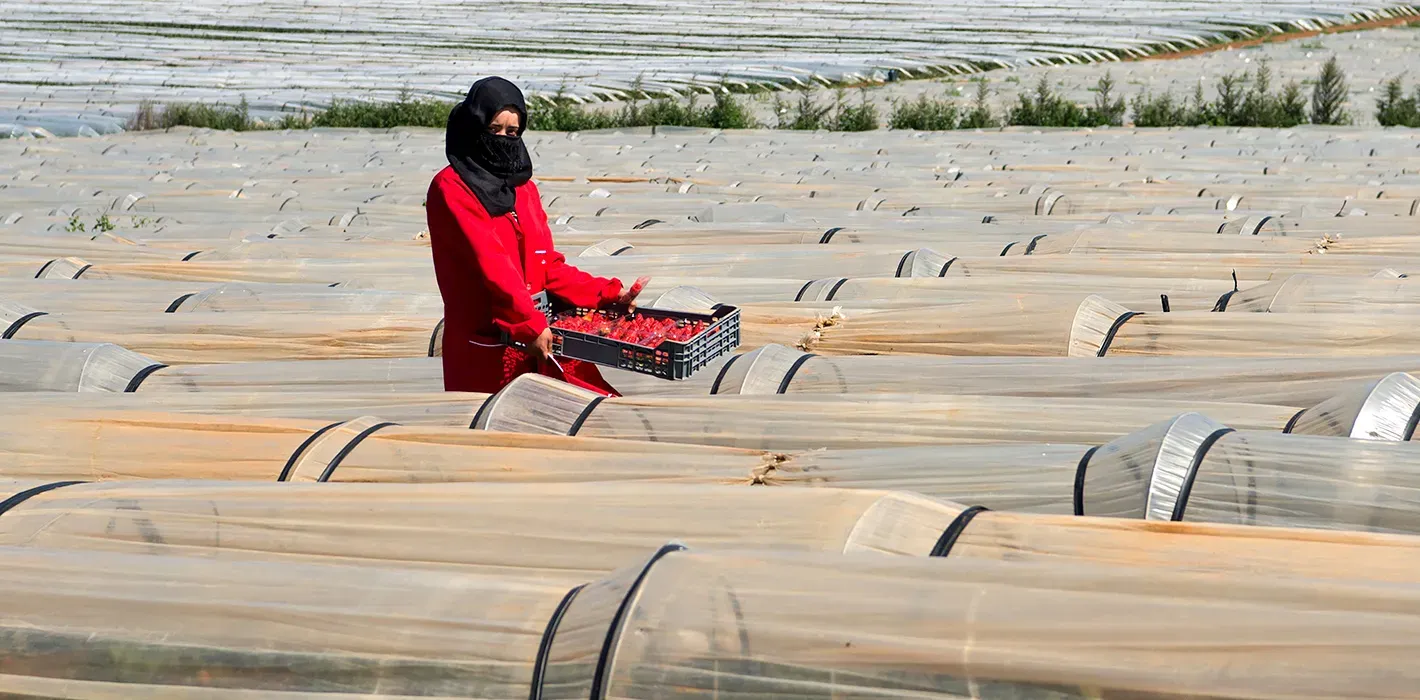
This gap between formal recognition of equality and practical inclusion is particularly glaring in rural regions, where women's economic contributions are substantial yet politically overlooked. Climate adaptation policies that disregard women's land rights, labor burdens, and access to resources fail to address the foundational social elements of resilience. Gender, therefore, is not merely an ancillary issue but rather a central factor shaping climate outcomes.
In conclusion, while Morocco’s climate governance framework boasts a complex institutional landscape, spearheaded by the Ministry of Energy Transition and Sustainable Development, it continues to fall short in integrating gender analysis meaningfully. The Climate Change Competence Center (4C Morocco) serves as a pivotal national platform for coordination and capacity building; however, its initiatives have yet to systematically incorporate gender perspectives. As Morocco navigates its climate challenges, recognizing and addressing the interplay of gender and climate is essential for creating policies that are not only resilient but also socially inclusive.
As reported by carnegieendowment.org.