
As the ramifications of mass migration waves from Morocco to the Spanish-controlled city of Ceuta continue to unfold, the Spanish enclave of Melilla witnessed significant attempts to breach its borders early Saturday morning. Hundreds of individuals gathered near the border fence with Spain, desperately trying to cross into Melilla, a situation that has sparked renewed discussions within the European bloc to suspend Spain's Schengen Area privileges. This crisis has brought the issue of irregular migration back to the forefront of political debate in Europe.
Attempts to Cross into Melilla
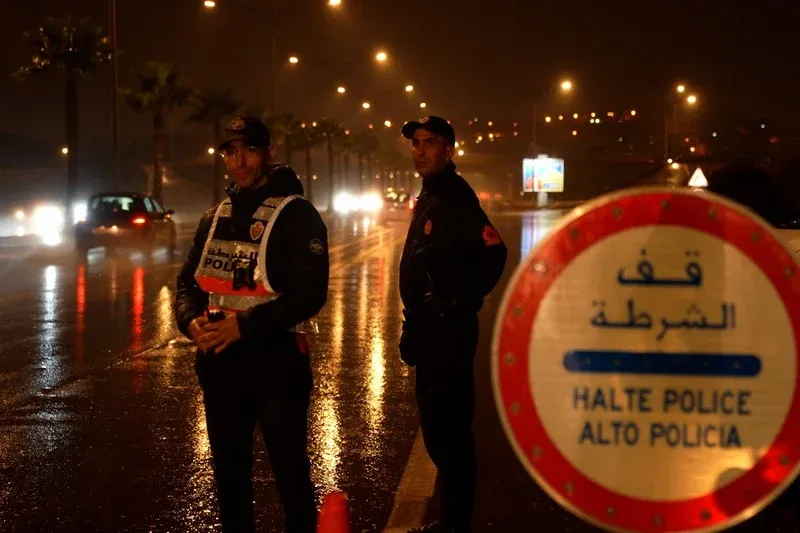
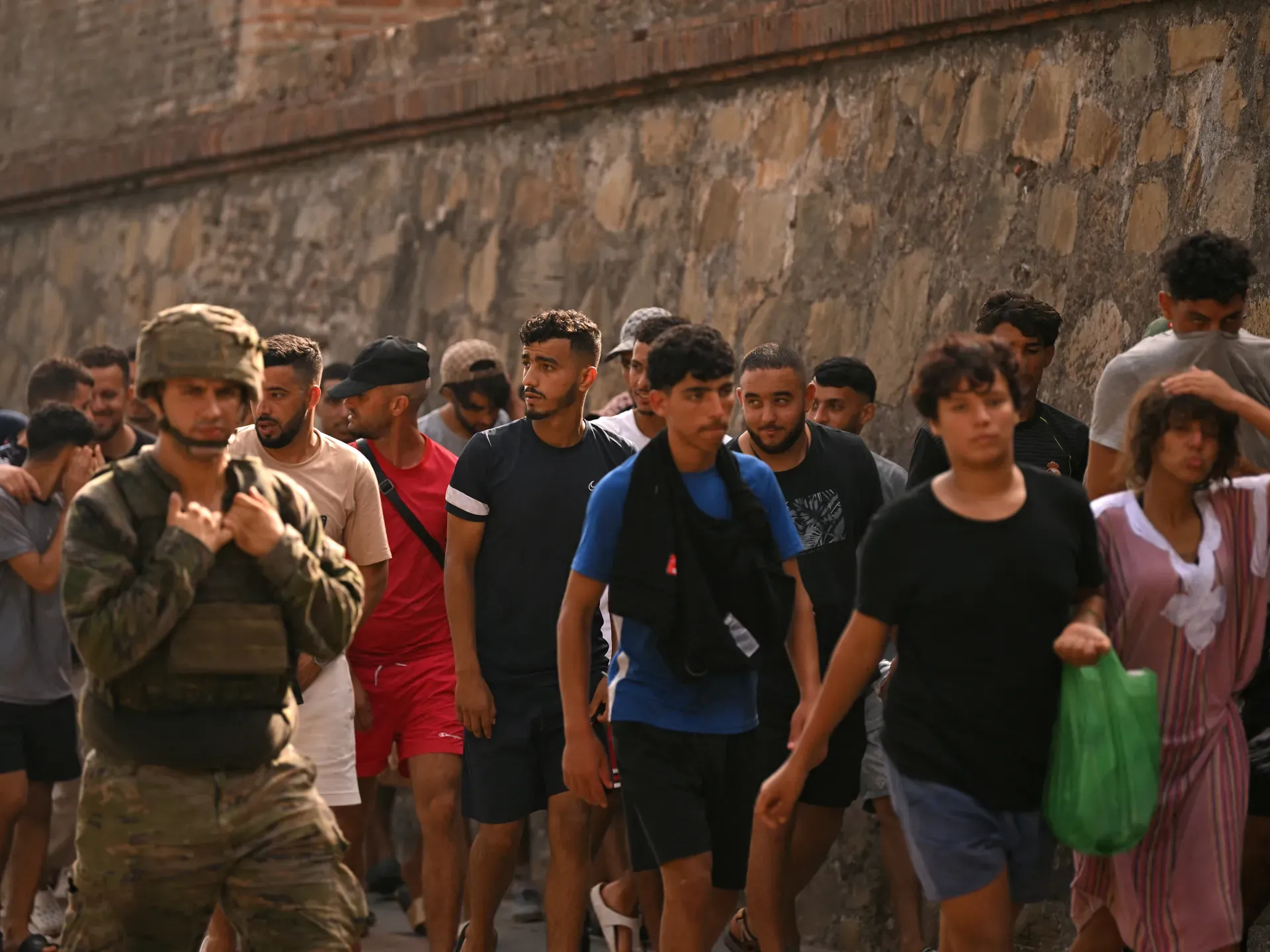
In the early hours of Saturday, hundreds of migrants gathered at the border fence with Spain, seeking to cross into Melilla. Spanish media captured footage showing individuals attempting to scale the border fence, with some successfully making it to the Spanish side as Spanish security forces worked to prevent further crossings. According to Spain's official radio and television agency, around 500 people attempted to enter Melilla, prompting heightened security measures to safeguard the border from further breaches. During these chaotic scenes, some migrants reportedly hurled stones at security officers, who responded with tear gas to disperse the crowd. Moroccan media outlets reported that local authorities thwarted new attempts to reach Melilla after reinforcing control around the crossing area, as hundreds of young migrants continued to surge towards the border amid rising tensions.
Current Situation in Ceuta and European Reactions
In Ceuta, Spain announced that migrant crossings had ceased overnight, with police beginning the installation of a 500-meter floating barrier off the coast. Reports from Al Jazeera's correspondent in Morocco, Mokhtar Al-Ablaoui, indicated a reverse flow of Moroccan migrants returning to Fnideq from Ceuta, although the numbers had gradually decreased after an initial influx. Many migrants were forced to return after enduring severe hunger and thirst due to the closure of businesses in both Ceuta and Melilla. Regarding border traffic, Moroccan authorities reopened the crossing for legal migrants coming from Europe wishing to spend their summer holidays in Morocco.
On Saturday, Spain's Interior Minister Fernando Grande-Marlaska reported that the death toll from the recent crisis of asylum seekers in Ceuta had risen to 67, attributing the tragic events to smuggling networks. Earlier reports indicated 57 bodies had been recovered on the Spanish side. Conflicting reports surfaced about the number of individuals who entered Ceuta, with Spain's Interior Ministry stating approximately 50,000 people arrived since the crisis intensified last Thursday. However, Ceuta's governor, Juan Jesus Vivas, estimated around 60,000 had crossed in recent days. Subsequently, the Interior Ministry clarified that 48,000 of those had voluntarily returned to Morocco, leaving fewer than 2,000 remaining in the city. The Anadolu Agency reported that over 53,000 irregular migrants had voluntarily returned from Ceuta, with Spain's Foreign Minister José Manuel Albares announcing the crisis was effectively over as nearly all who had arrived had returned to Morocco.
Spain's Interior Minister ruled out any possibility of legal status for those who entered Ceuta irregularly, labeling the events as an unacceptable attack on national sovereignty. Furthermore, individuals who entered Ceuta unlawfully were not permitted to travel to the Spanish mainland or anywhere else within the Schengen Area. The Spanish Foreign Ministry stated that travelers departing Ceuta by sea or air would undergo identity checks by police, creating an additional layer of scrutiny beyond the land border with Morocco.
As the crisis coincided with social media reports of a recent ruling by Spain's Supreme Court, which prohibited the immediate return of those intercepted at sea while attempting to reach Ceuta or Melilla, many interpreted this as an open opportunity for asylum in Spain. Prime Minister Pedro Sánchez attributed the surge in migrants to misleading interpretations propagated by human trafficking networks surrounding the court's ruling.
In response to the influx of migrants, Spain faced harsh criticism and threats of exclusion from Schengen travel laws by other European nations. Italy led the charge, announcing the closure of its maritime and air borders with Spain and temporarily suspending Schengen arrangements. Spain condemned Italy’s decision as demagoguery, while Finland supported Italy's call for Spain's exclusion from Schengen, accusing Madrid of failing to secure the external borders effectively. France also intensified border checks with Spain, with Interior Minister Laurent Nuñez stating he had been instructed to bolster security measures at the Spanish border. French President Emmanuel Macron expressed solidarity with Sánchez, offering any necessary assistance to mitigate the crisis.
In a collective response, 22 European nations called for stricter border control measures to prevent further irregular crossings into Ceuta. This coalition, which includes Italy, Denmark, Belgium, and others, emphasized the need for coordinated action to avoid creating the impression that the European Union could be accessed through illegal means.
As reported by aljazeera.net.