
Tragic Loss of Life Amidst Rising Migration Numbers
The situation in Ceuta has reached a critical point as ten migrant bodies were recovered from the sea within just 24 hours, underscoring the severity of the ongoing migration crisis. This Spanish enclave is currently facing the most significant influx of migrants since the 2021 migration crisis, with the bodies being discovered between the evening of July 29 and July 30. This tragic event highlights the dangerous conditions that many migrants endure in their desperate attempts to reach safety.
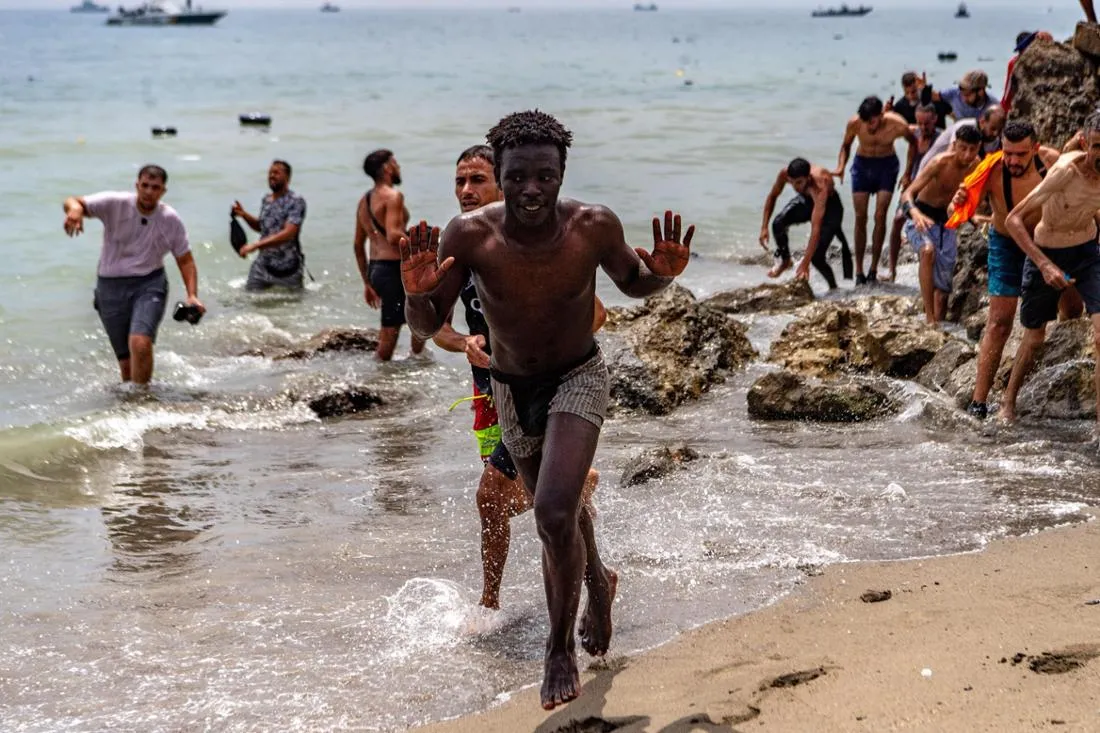
In response to this humanitarian crisis, Spain and Morocco are working to expedite the repatriation processes for irregular migrants. The European Union has stepped in, offering Spain additional financial, technical, and operational support to manage the situation. On Thursday evening, the Spanish Guardia Civil identified seven more bodies in the waters surrounding Ceuta, marking a grim total of 38 migrant fatalities since the beginning of the year. Many migrants are opting to bypass the maritime border protections at Tarajal, often risking their lives by traversing the coastline or swimming around the barriers extending into the sea.
Overwhelmed Reception Centers and International Response
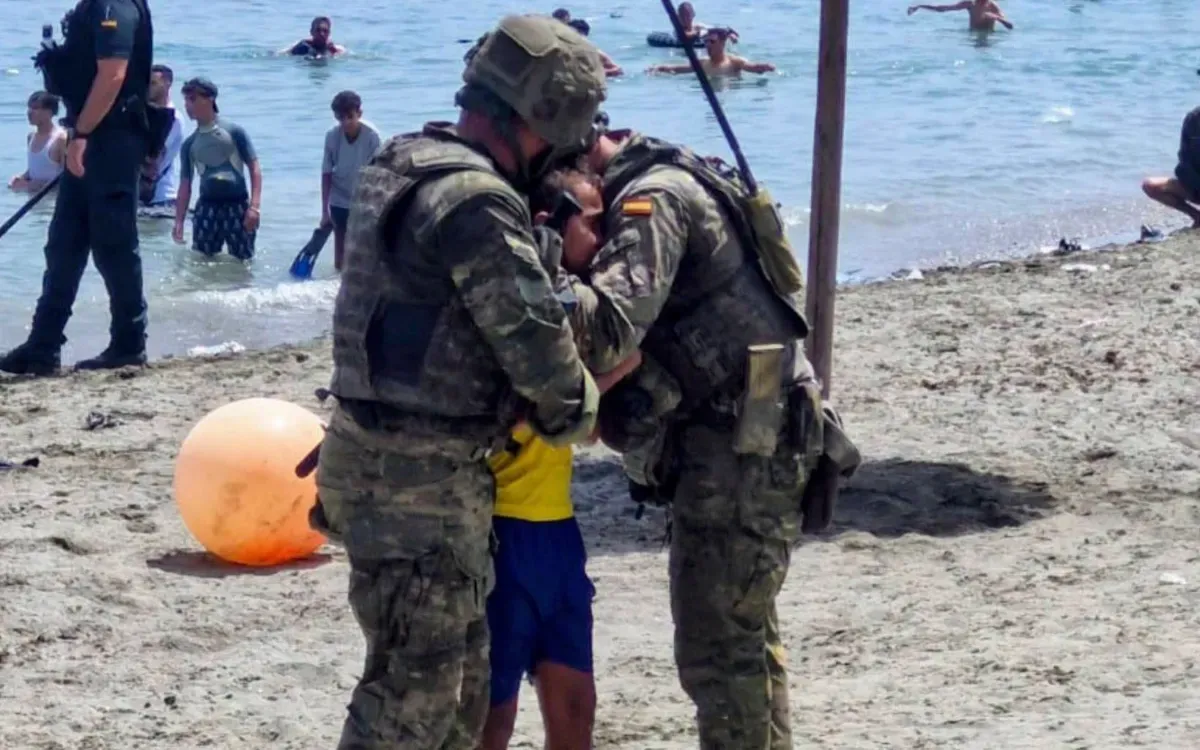
Amid the rising tide of arrivals, hundreds of individuals succeeded in reaching Ceuta on the night of July 30. This surge included not only young migrants but also families, women, and unaccompanied minors. Although an official tally of arrivals has yet to be released, reports suggest that nearly 2,000 people have arrived by sea in the past two weeks alone, marking the largest movement of arrivals since May 2021 when over 10,000 migrants crossed from Morocco to Ceuta in just two days.
The sudden increase in migrant numbers has pushed local reception facilities to their limits. Officially, the temporary migrant reception center has a capacity for 512 individuals; however, it is currently housing 727. Consequently, new arrivals have been forced to sleep outside the center in makeshift accommodations made from blankets, cardboard, and plastic tarps. Additionally, facilities for unaccompanied minors are also overwhelmed, with reports indicating that over 500 minors have arrived recently, alongside 18 women who took the perilous sea route—a route typically less traveled by women.
In light of the escalating crisis, the Spanish Interior Ministry has described its collaboration with Morocco as exemplary, despite the significant number of border crossings. The Interior Minister, Fernando Grande-Marlaska, has been in constant contact with his Moroccan counterpart, with both countries agreeing to enhance security measures and joint coordination efforts. Both Madrid and Rabat aim to initiate the necessary procedures for the swift repatriation of individuals who have entered Ceuta irregularly, regardless of their nationality or age.
However, a recent court ruling complicates direct deportations, as it has established that individuals who arrive by swimming to Ceuta or Melilla cannot be immediately turned back at the border. Instead, authorities must initiate an administrative process for each individual, which includes verifying identities and assessing potential claims for asylum. This development has sparked warnings from police and border protection unions about the additional strain on resources, with calls for clear directives for officers deployed at sea.
As the situation unfolds, Ceuta’s regional president, Juan Vivas, has requested the central government to activate a national emergency plan, demanding additional security personnel, funding for reception facilities, and a unified command structure. However, the Spanish Interior Ministry has rejected this call, citing that current legislation does not provide for a national emergency in response to irregular migration movements.
In an international context, the European Commission has offered Spain additional support through the European border protection agency, Frontex, emphasizing the importance of securing external borders as a fundamental duty of the EU. The situation has also sparked diplomatic tensions within the EU, particularly with Italy, where Prime Minister Giorgia Meloni has suggested extraordinary measures, including the suspension of Schengen travel with Spain, citing uncontrolled illegal immigration as a threat to European security.
As the crisis continues to unfold, the United Nations is calling for the protection of the rights of all individuals arriving in Ceuta, emphasizing the need for thorough individual assessments for vulnerable groups, including minors and potential asylum seekers. The unfolding humanitarian disaster in Ceuta requires immediate attention and coordinated action from both national and international stakeholders.
As reported by fr.de.