
Rising Geopolitical Tensions Between the U.S. and Iran
The ongoing geopolitical tensions between the United States and Iran have intensified, marked by a series of aggressive measures and counteractions that have significant implications for the broader Middle East and beyond. Recent developments indicate that the U.S. is adopting a firmer stance on negotiations, particularly concerning the strategic Strait of Hormuz, which remains a focal point in the ongoing crisis. This situation not only affects U.S.-Iran relations but also reverberates through Iran's interactions with Gulf nations and France, while opening new discussions surrounding security and cyber operations against Tehran.
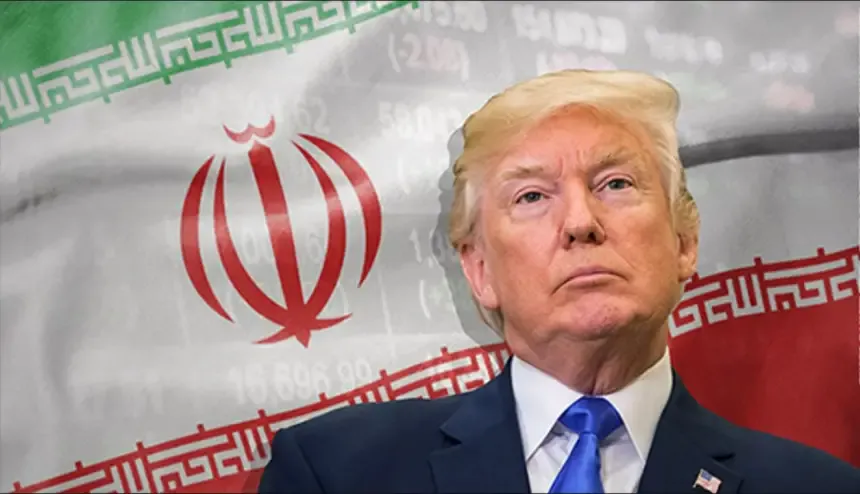
U.S. President Donald Trump has publicly confirmed that there are no ongoing talks with Iran, reiterating Washington's commitment to its economic pressure campaign and maritime blockade designed to compel Tehran to make further concessions. Conversely, Iran has accused the U.S. of attempting to impose demands that exceed previously agreed terms. This tension is exacerbated by limited shipping activity in the Strait of Hormuz, with conflicting accounts regarding the operational status of this critical maritime route.
In parallel, the U.S. administration has intensified its economic pressure on Iran, warning nations and entities that assist Tehran in circumventing sanctions. This approach aims to constrict Iran's financial and trade resources, moving away from a strategy reliant solely on military interventions. In a related development, the U.S. Department of Justice has charged 17 Iranian nationals alleged to be involved in a widespread hacking campaign targeting hundreds of universities, businesses, and government entities globally. According to the Justice Department, these individuals managed to steal over 31 terabytes of academic data and intellectual property, with indications that some operations were conducted on behalf of entities linked to Iran's Revolutionary Guard Corps.
Complications in International Relations and Regional Stability
The escalation of tensions is not limited to the U.S.-Iran dynamic; it has also affected Iran's relations with France. Tehran recently declared two French diplomats as "persona non grata," prompting Paris to respond by expelling Iranian diplomats in a tit-for-tat move, stemming from tensions surrounding an incident involving French embassy staff in Tehran. Similarly, in the Gulf region, the United Arab Emirates has announced a halt to all trade and financial transactions with Iran until further notice, following allegations that Iran launched two ballistic missiles threatening maritime navigation—claims that Iran has vehemently denied. This decision comes amid rising anxieties about the crisis's potential impact on maritime traffic, energy supplies, and trade in the region.
The unfolding situation underscores the intricate web of geopolitical interactions and the potential for escalation in hostilities that could destabilize not only the Gulf region but also have far-reaching consequences for Europe and global trade routes. The international community watches closely as the stakes continue to rise, necessitating diplomatic efforts to de-escalate tensions and foster dialogue.
As reported by akhbarona.com.