
Trump's Aggressive Stance on Iran's Nuclear Facility
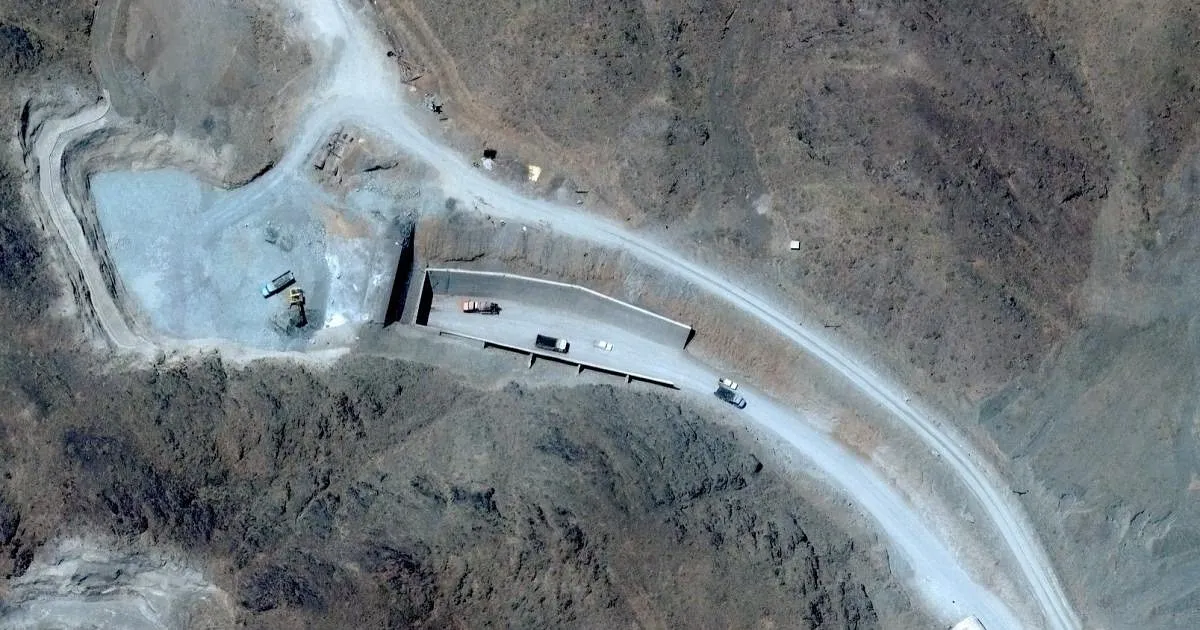
In a significant escalation of rhetoric, former President Donald Trump has vowed to obliterate the controversial nuclear site known as 'Pickaxe Mountain' located deep within Iran. During recent media statements, Trump indicated that U.S. forces are closely monitoring this facility, asserting that any suspicious activities would prompt a decisive military response. The American administration, through its intelligence apparatus, is reportedly keeping a watchful eye on the operations at this site, which has become a focal point of concern due to its proximity to Iran's well-known Natanz uranium enrichment facility.
Reports suggest that the Pickaxe Mountain site is fortified with complex engineering defenses buried under deep rock layers, making it a challenging target for conventional airstrikes. Military experts believe that the site's defenses may exceed the capabilities of even the most advanced bunker-busting bombs currently in the U.S. arsenal. Nevertheless, U.S. officials maintain confidence in their military technology's ability to neutralize this nuclear threat if a decision for comprehensive confrontation is made.
Increasing Military Strains and Global Energy Market Impact
Amid these military threats, the United States has intensified its naval blockade on Iranian ports, with Trump announcing via his social media platform that Iranian vessels will be prohibited from navigating international waters. This action aims to cut off funding and logistical capabilities for Tehran as the conflict, which reignited in February, continues to unfold. In retaliation, Iran's Revolutionary Guard has declared the Strait of Hormuz closed to international shipping until further notice, resulting in significant disruptions to global energy markets. A spokesperson for the 'Khatam al-Anbiya' headquarters warned against any U.S. interference in the strait, stating that Iranian forces are on high alert to respond to potential aggression.
Trump has accused the Iranian leadership of failing to uphold a recently established memorandum of understanding, leading Washington to revert to a strategy of overwhelming military force. He indicated that military operations would persist in the coming days, emphasizing the objective of preventing Iran from acquiring a nuclear weapon that could jeopardize U.S. interests.
As this precarious situation unfolds, reports indicate that both sides engaged in reciprocal strikes over the weekend, with Iran targeting what it claimed were U.S. military facilities in neighboring Arab nations. Some of these Iranian attacks reportedly resulted in civilian casualties and damage to civilian infrastructure. Despite the war drums sounding, Trump has left the door slightly ajar for a potential political agreement to resolve the conflict, labeling such an outcome as still 'possible.' However, the current battlefield dynamics suggest that both parties are sliding toward a full-scale confrontation that could drastically alter the balance of power in the Middle East.
As reported by alquds.com.