
When planning a trip abroad, one of the most crucial questions that travelers often ponder is which currency to take along with them, especially beyond what can be directly accessed via their credit card. Moreover, determining a suitable budget for the stay is equally significant. This article aims to provide valuable insights into these important considerations, particularly for those heading to Morocco.
First and foremost, it's essential to know that the local currency in Morocco is the dirham, which is divided into 100 centimes. The denominations of banknotes include 20, 50, 100, and 200 dirhams, along with coins that can go up to 10 dirhams. As the Moroccan dirham is generally not convertible outside the country, travelers will need to exchange their money once they arrive. Fortunately, this process is quite straightforward, as currency exchange offices are readily available at ports and airports, in most banks, several hotels, and numerous tourist spots. Additionally, ATMs are widely accessible throughout Morocco, with most major banks providing these services.
Choosing the Right Currency to Bring
For travelers coming from the Eurozone, it is advisable to bring euros in small denominations. These smaller notes can prove useful for various transactions once in Morocco. Alternatively, other major foreign currencies can also be exchanged without much difficulty upon arrival.
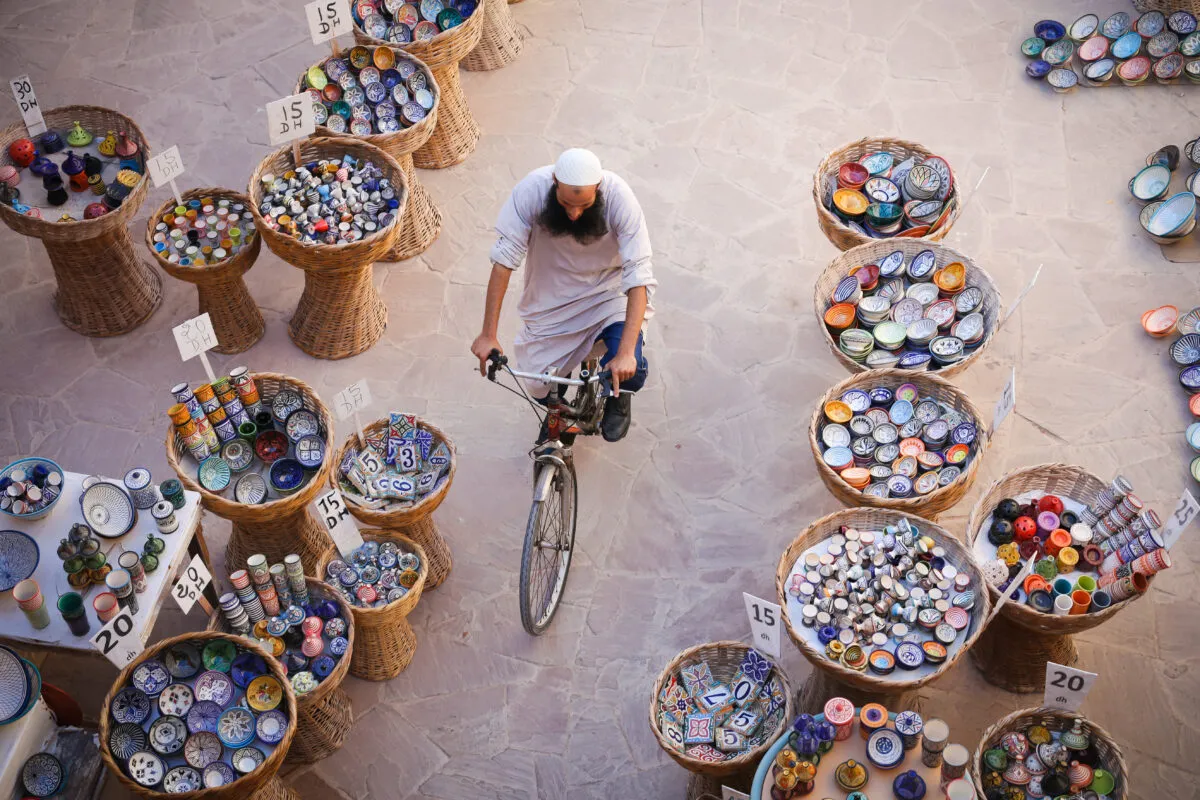
When traveling in Morocco, it's prudent to carry cash and small change for everyday expenses and small purchases, particularly in local markets or souks. While card payments are accepted at hotels, car rental services, and many shops in tourist areas, having cash on hand is always a good idea. Interestingly, in many tourist zones, purchases can be made directly in euros, which can be a convenient option if dirhams are running low. However, this requires awareness of the current exchange rate.
Budgeting for Your Moroccan Adventure
The budget necessary for a trip to Morocco can vary significantly depending on the type of travel experience desired and the time of year. Nevertheless, Morocco remains an economical destination in comparison to Europe, offering excellent value for money. Travelers can expect to budget around 40 to 50 euros per day per person for a backpacking-style trip, which includes using public transportation, eating at local markets or small restaurants, and staying in modest hotels. For a more comfortable experience with additional activities, it is advisable to budget approximately 60 euros per day.
It's essential to be mindful of potential expenses that could increase your budget, such as failing to negotiate prices effectively while shopping, extending stays in high-priced cities like Marrakech or Agadir, or traveling during peak season. Conversely, there are several ways to keep costs low, including affordable flights, inexpensive meals, local accommodations, and traveling during the off-peak season.
For a general idea of pricing in Morocco, here are some typical costs: a double room in a budget hotel can range from 15 to 25 euros, while a more tourist-oriented hotel may start around 40 euros. Breakfast can be found for as little as 2 euros at local spots or around 5 euros in more tourist-friendly venues. Meals can cost between 5 to 10 euros at street stalls or small restaurants, and up to 15 euros in more tourist-centric areas. Car rentals start at about 45 to 50 euros per day for basic models, whereas public transport fares are quite reasonable, with bus rides costing around 1 euro and train journeys approximately 2 to 3 euros.
Another cultural aspect of Morocco is bargaining, which plays a significant role in shopping experiences. It is common to negotiate prices, particularly in souks and local shops. However, not all prices are negotiable; food, public transportation fares, and entrance fees to attractions typically remain fixed. To negotiate effectively, determine your maximum budget beforehand and research the fair prices of the items or services you are interested in. Remember, the process of bargaining should be enjoyable and respectful, fostering a mutual exchange between buyer and seller.
Lastly, tipping is customary in Morocco, although not mandatory. A tip of around 10% is generally appreciated in restaurants or by taxi drivers. For services such as parking attendants, a small tip of 5 or 6 dirhams (less than 1 euro) is adequate. The amount tipped should reflect the service level provided and align with the local cost of living, rather than the standards you might find in Europe or North America.
As reported by partir.ouest-france.fr.