New Partnership Framework to Enhance Economic Resilience
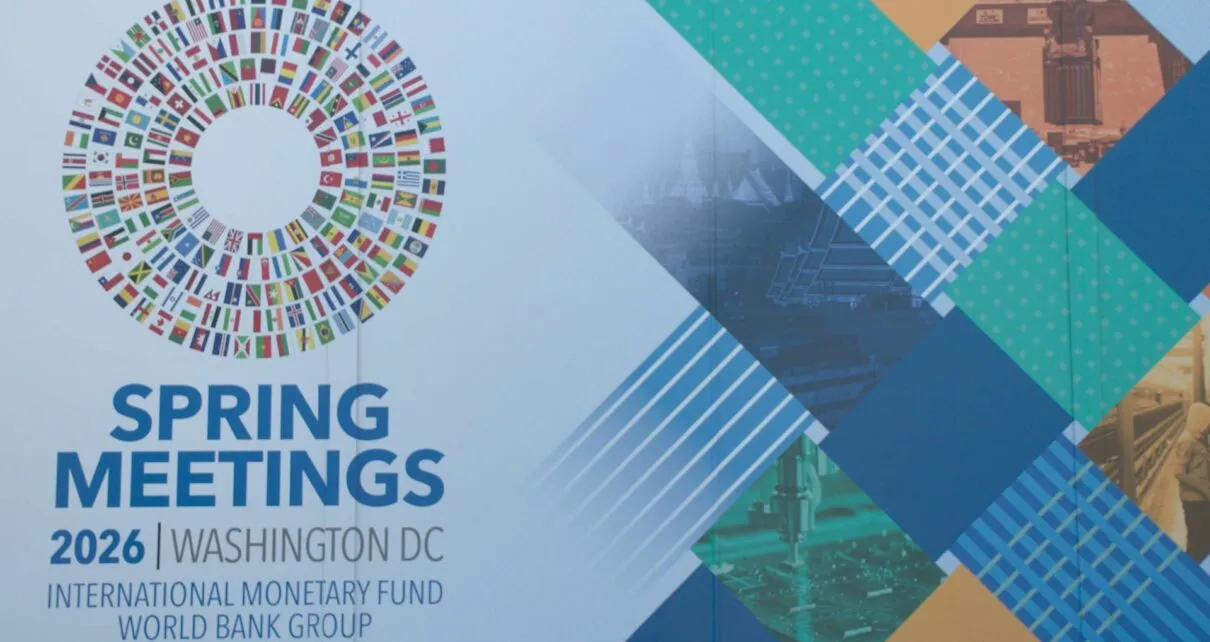
In a significant move to bolster its economic framework, Morocco has established a high-profile financing partnership with the OPEC Fund for International Development (OFID), culminating in the signing of a Country Partnership Framework valued at an estimated €500 million for the period spanning 2026 to 2028. The agreement was finalized by Morocco's Finance Minister, Nadia Fettah, and OFID President, Abdulhamid Al Khalifa, during the IMF and World Bank Spring Meetings held in Washington D.C. from April 13 to April 18, 2026. During these discussions, Minister Fettah emphasized Morocco's economic resilience in the face of global uncertainties, particularly highlighting the robustness of the country’s agricultural sector and the government's adept handling of challenges stemming from regional instability in the Middle East.
This newly established partnership framework encompasses three primary objectives: fostering sustainable growth, enhancing resilience, and advancing human capital development, all of which align seamlessly with Morocco's current national development priorities. OFID President Al Khalifa reiterated his organization’s commitment to supporting Morocco in the execution of its key projects, especially within essential strategic sectors. This framework marks a continuation of productive collaboration between the two entities, following the signing of a $100 million loan agreement in 2022 aimed at promoting financial inclusion and digital transformation, alongside funding for preliminary studies related to the ambitious Nigeria-Morocco Gas Pipeline project.
Strategic Infrastructure Development and Multilateral Cooperation
The Nigeria-Morocco Gas Pipeline, which aims to transport Nigerian natural gas through several West African nations before reaching European markets via Morocco, is regarded as one of the continent’s most crucial infrastructure initiatives. Various international financial institutions have expressed interest in funding this project, with OFID already committed to facilitating its feasibility studies. A senior Nigerian official previously characterized the pipeline as a vital connection between Africa's abundant gas reserves and the burgeoning demand in Europe.
Additionally, the Spring Meetings served as a platform for further high-level discussions, with Minister Fettah engaging with Sidi Ould Tah, President of the African Development Bank (AfDB) Group, on April 14. Their dialogue centered around the depth and quality of Morocco's partnership with the AfDB, as well as preparations for the bank’s upcoming 2026 Annual Meetings. Both parties also signed a letter of intent aimed at enhancing cooperation in taxation and domestic resource mobilization, which underscores Morocco’s commitment to sharing its fiscal expertise with African nations at a time when official development assistance is experiencing a structural decline.
Taken together, the engagements with OFID and the AfDB highlight Morocco's emergence as a highly sought-after partner in multilateral development finance. This €500 million partnership with OFID and the AfDB’s taxation cooperation initiative positions Morocco not merely as a recipient of international financial assistance but as a credible and proactive contributor to the development of the continent's institutional framework. This aligns with the Kingdom’s broader ambition to transform its economic resilience into a leadership role within Africa.
At the core of this year’s IMF-WB Spring meetings is the theme “Building prosperity through policy,” which emphasizes the importance of innovation, job creation, and private investment as catalysts for sustainable economic growth.
As reported by northafricapost.com.