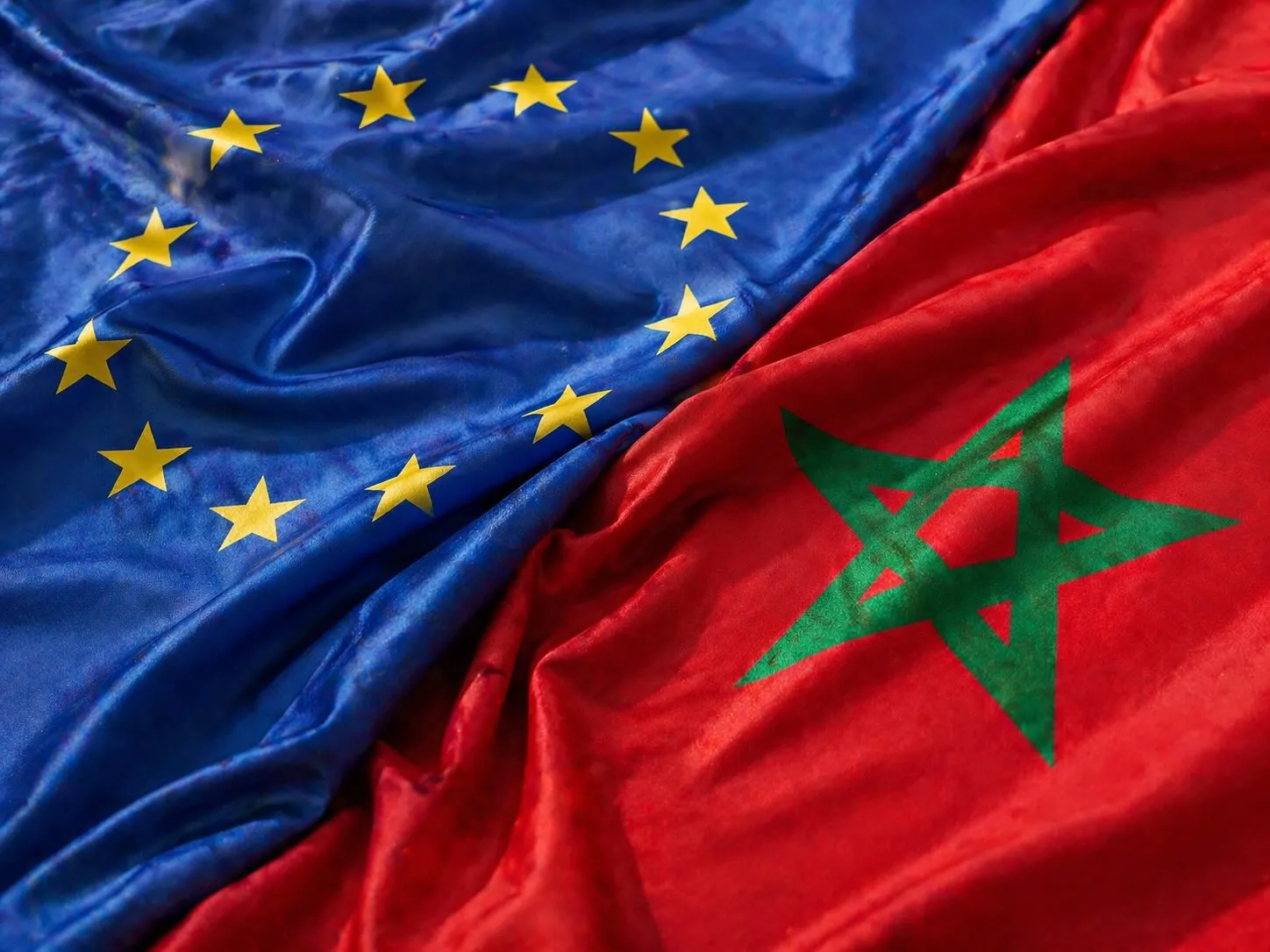

Strengthening Digital Ties: The EU and Morocco's New Initiative
On Wednesday, the European Union and Morocco inaugurated a new digital dialogue, marking a significant step toward enhancing their strategic cooperation in technology policy, digital infrastructure, and innovation. This initiative, announced through a joint press release on April 8, aims to fortify their relationship as strategic partners in the digital domain. The establishment of this dialogue indicates a formal structure to what Brussels increasingly perceives as an integral element of its broader external digital policy.
The announcement highlights a mutual ambition to foster collaboration in various critical areas including digital economy, data management, artificial intelligence, and the establishment of a robust framework for public services that effectively serves citizens. The agenda established on April 8 is both expansive and concrete, indicating that cooperation will encompass key issues such as the advancement of artificial intelligence, support for digital startups, the creation of secure and trusted digital infrastructure, and ensuring interoperability of public digital infrastructure solutions, notably digital wallets. These areas are central to the EU's strategy for cultivating partnerships beyond its borders, focusing on standards, regulations, technical compatibility, and market access rather than relying solely on trade policy.
A Strategic Alliance in the Digital Sphere
The dialogue's launch was spearheaded by Henna Virkkunen, the Commission Executive Vice-President for Tech Sovereignty, Security and Democracy, alongside Morocco’s minister delegate responsible for digital transition and administrative reform, Amal El Fallah Seghrouchni. The high-level initiation reflects both parties' desire to frame their relationship within a strategic context rather than merely a technical one. Geographically, Morocco serves as a southern neighbor with long-standing political and economic ties to the EU, making digital cooperation an efficient avenue to reinforce broader strategic connections. The Commission’s existing neighborhood digital policy framework already incorporates the southern Mediterranean into the EU’s external digital engagement, and the Morocco initiative provides a more pronounced bilateral expression of that policy.
This launch aligns with a broader trend observed in recent years, where Brussels has employed digital dialogues to cultivate structured partnerships with third countries focused on connectivity, standards, regulatory cooperation, and emerging technologies. The Morocco initiative indicates that the EU views digital policy as not merely an internal market concern but as a tool for foreign policy, economic security, and external influence. Consequently, aspects such as infrastructure trust, data governance, and AI collaboration are now being addressed as elements of strategic partnership. However, the April 8 announcement does not provide a detailed timetable for deliverables, a list of working groups, or an exhaustive roadmap for implementation. While the official material outlines areas of cooperation, it refrains from specifying milestones or target dates, suggesting that the initial phase is focused more on the launch rather than on immediate outcomes.
Moreover, the language used in the announcement emphasizes shared potential rather than just providing technical assistance. The initiative is described as a means to unlock the potential of digital, data, and AI solutions, indicating a partnership model where Morocco is seen not simply as a beneficiary of European aid but as a strategic ally in areas where standards, infrastructure decisions, and innovation policies increasingly converge. For the EU, this approach is rooted in a clear external-policy rationale. Digital regulation, trusted infrastructure, and interoperability are now integral to the bloc’s broader objective of projecting influence through established rules, systems, and technical alignment. For Morocco, this dialogue represents an institutional pathway toward closer cooperation with the EU in sectors that are critical for investment, administration, and economic modernization.
Ultimately, the significance of this new digital dialogue lies in the framework it establishes. With a formal digital track now in place, Brussels and Rabat can deepen cooperation across multiple policy areas simultaneously. This development is not only relevant for technology policy but also plays a crucial role in shaping the future of EU-Morocco relations.
As reported by eutoday.net.