EU and European Allies Launch Major Water Support Program for Morocco
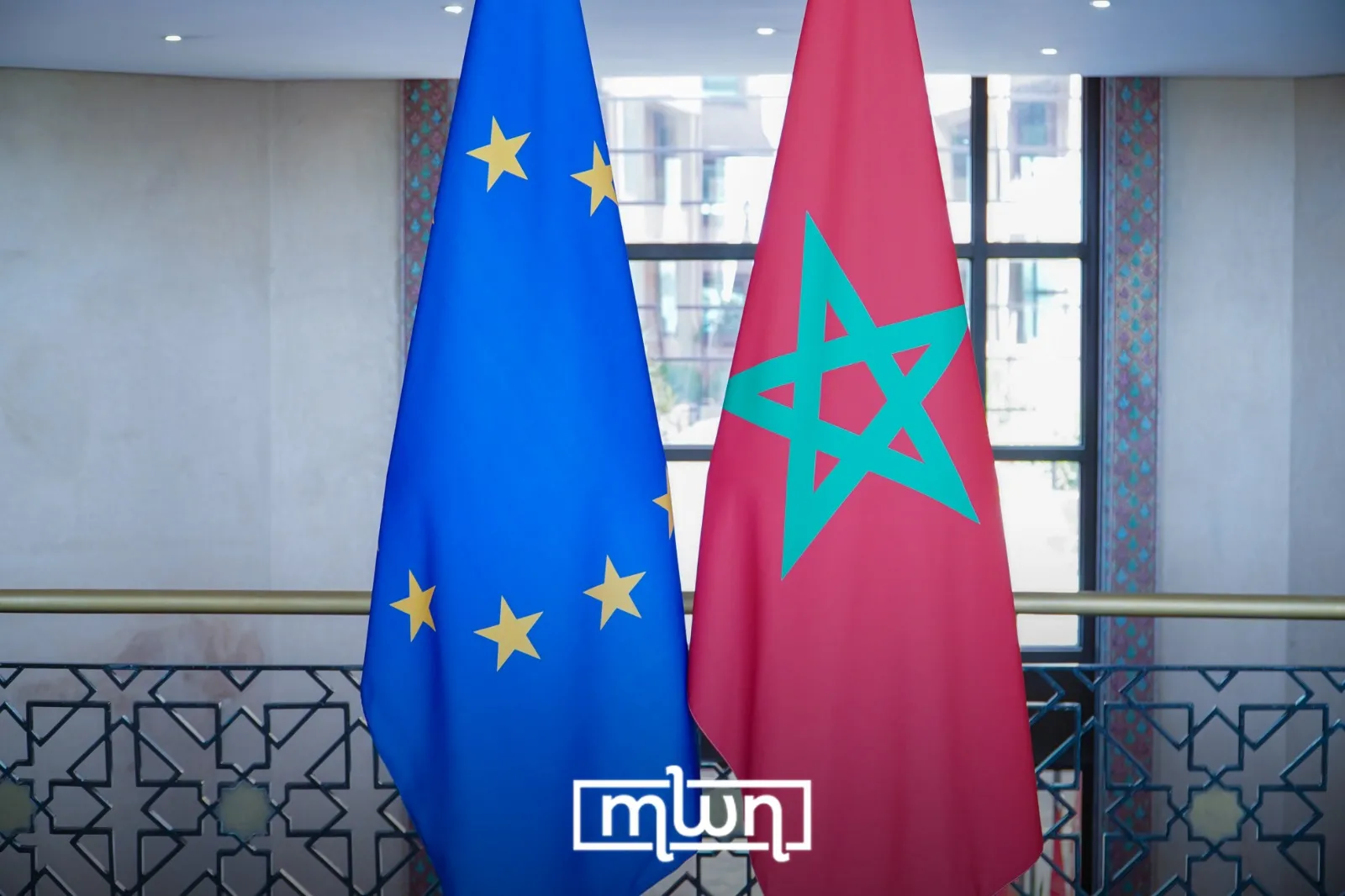
In a significant move to enhance Morocco's water management capabilities, the European Union (EU), in partnership with Germany, Italy, and France, has officially launched a comprehensive €348 million (approximately MAD 3.7 billion) initiative aimed at supporting the nation's National Water Plan. This ambitious program was unveiled on Tuesday and is designed to address the escalating pressures that climate change and recurrent droughts have placed on Morocco's vital water resources.
The funding for this initiative is structured under a collaborative framework known as the “Team Europe” approach, which synergizes EU grants with concessional loans provided by three prominent European development institutions. Specifically, the financial package comprises around €48 million (about MAD 514.4 million) in grants from the EU, supplemented by nearly €300 million (approximately MAD 3.25 billion) in loans. These loans are facilitated through the JEFIC framework, involving key players such as Germany’s KfW development bank, Italy’s Cassa Depositi e Prestiti, and the French Development Agency (AFD).
Addressing Water Management Challenges
This initiative is particularly timely, as Morocco has been grappling with severe drought conditions from 2017 to 2025, coupled with an increasing demand for water resources. These challenges have necessitated a swift reform of water planning and infrastructure within the country. The overarching objective of the program is to bolster Morocco's resilience against extreme weather events, enhance groundwater protection, and fortify public institutions involved in water management. In addition to financial support, the program will also provide technical assistance aimed at fostering expertise exchange between European and Moroccan partners.
During the launch event, Morocco's Minister of Equipment and Water, Nizar Baraka, emphasized the critical importance of water as a national priority, underscoring the necessity of protecting this essential resource for future generations. Baraka highlighted that Morocco is already in the process of transforming its water management framework to better withstand climate-related disruptions. EU Ambassador Dimiter Tzantchev reinforced the notion of strong cooperation between the EU and Morocco, particularly within the context of the Green Partnership and broader Mediterranean cooperation initiatives. He articulated a commitment to delivering actionable solutions that will have a direct positive impact on the lives of citizens.
Ambassadors from Germany, Italy, and France also took the opportunity to underscore their respective nations' contributions to this partnership. Germany focused on the aspects of climate adaptation and groundwater protection, while Italy cited its extensive experience in water management as part of its broader strategy for Africa. France highlighted its dedication to fostering climate resilience and promoting gender equality through developmental projects.
This initiative represents a pivotal step in enhancing Morocco's capacity to manage its water resources sustainably and collaboratively, while also reflecting a broader commitment among European nations to address shared environmental challenges and foster sustainable development throughout the Mediterranean region.
As reported by moroccoworldnews.com.