
EU's Response to the Migrant Crisis in Ceuta
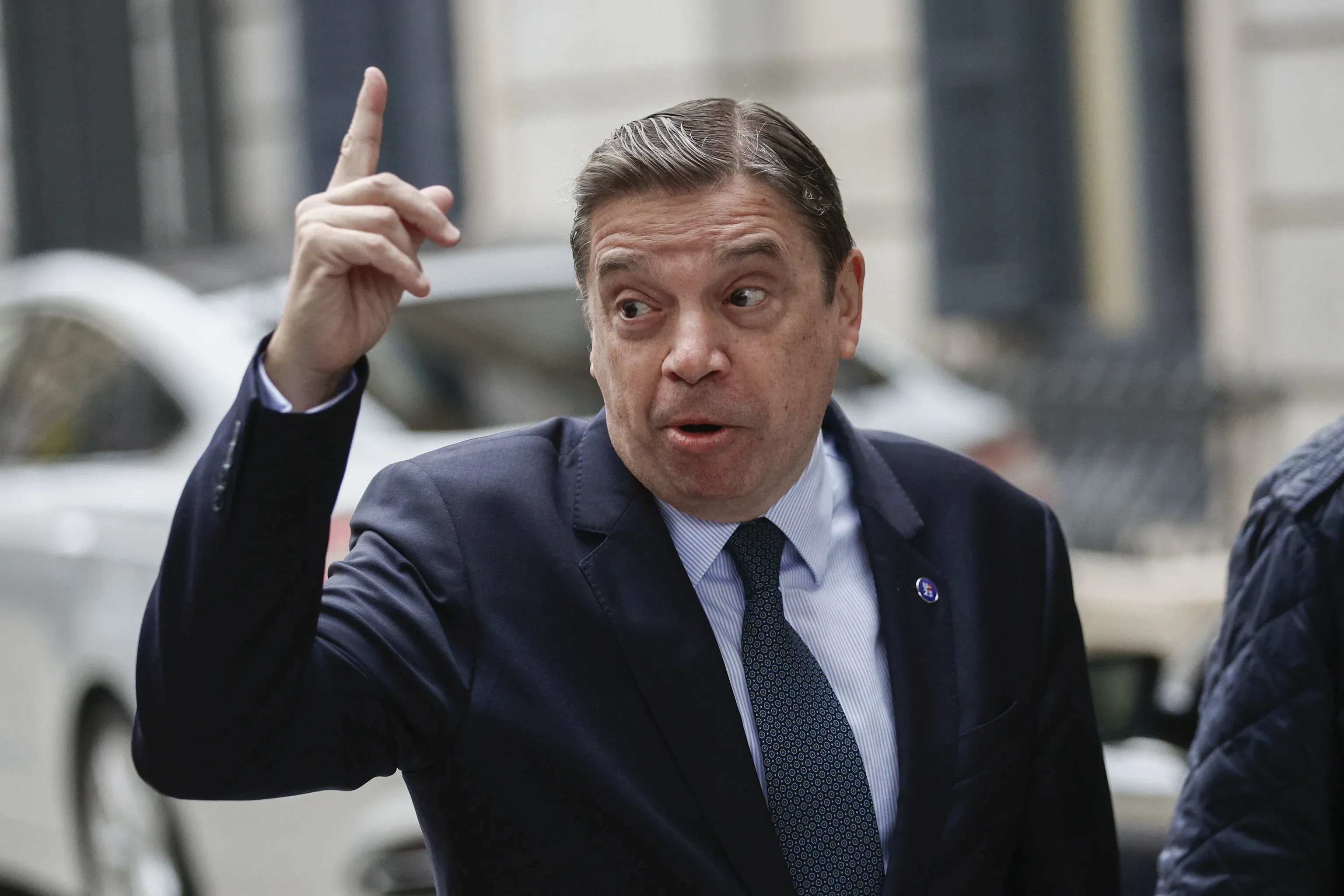
In response to the unprecedented surge of migrants arriving in the Spanish exclave of Ceuta, the European Commission is set to propose a new European crisis response framework. According to Commission President Ursula von der Leyen, this framework aims to introduce temporary flexibility in asylum rules when migration movements are intentionally orchestrated and used as a tool against the EU. "The message from Europe is clear: We always adhere to our values and fundamental rights. However, when it comes to protecting our borders, we make no concessions," von der Leyen asserted during her annual State of the European Union address. She emphasized that the decision of who enters the Union and under what circumstances rests with Europeans, not with traffickers and smugglers.
While von der Leyen did not elaborate on the specifics of the proposed crisis response framework, sources from the European Commission indicated that affected states might be permitted to temporarily limit access to asylum procedures in cases of state-organized "instrumentalization" of migration at certain border points. This could involve concentrating processing at specific crossings, expediting procedures, and increasing reliance on border procedures.
Precedents and Legal Implications
This model has already been implemented in Poland, where the right to apply for international protection has been temporarily restricted at the border with Belarus since March 2025. Warsaw justified this action as a response to the instrumentalization of migration by Belarus, which posed a threat to national security.
However, completely suspending asylum rights would present significant legal challenges, particularly concerning the principle of non-refoulement and individual protection claims under EU law and the Geneva Refugee Convention. The non-refoulement principle essentially prohibits a state from returning an individual to a country where they face persecution, torture, or other inhumane treatment.
Additionally, von der Leyen announced plans to intensify efforts to bolster the EU's border protection agency, particularly regarding repatriations. "We will enhance our early warning systems, even in collaboration with third countries. We will ensure that we can detect and anticipate developments online," she stated.
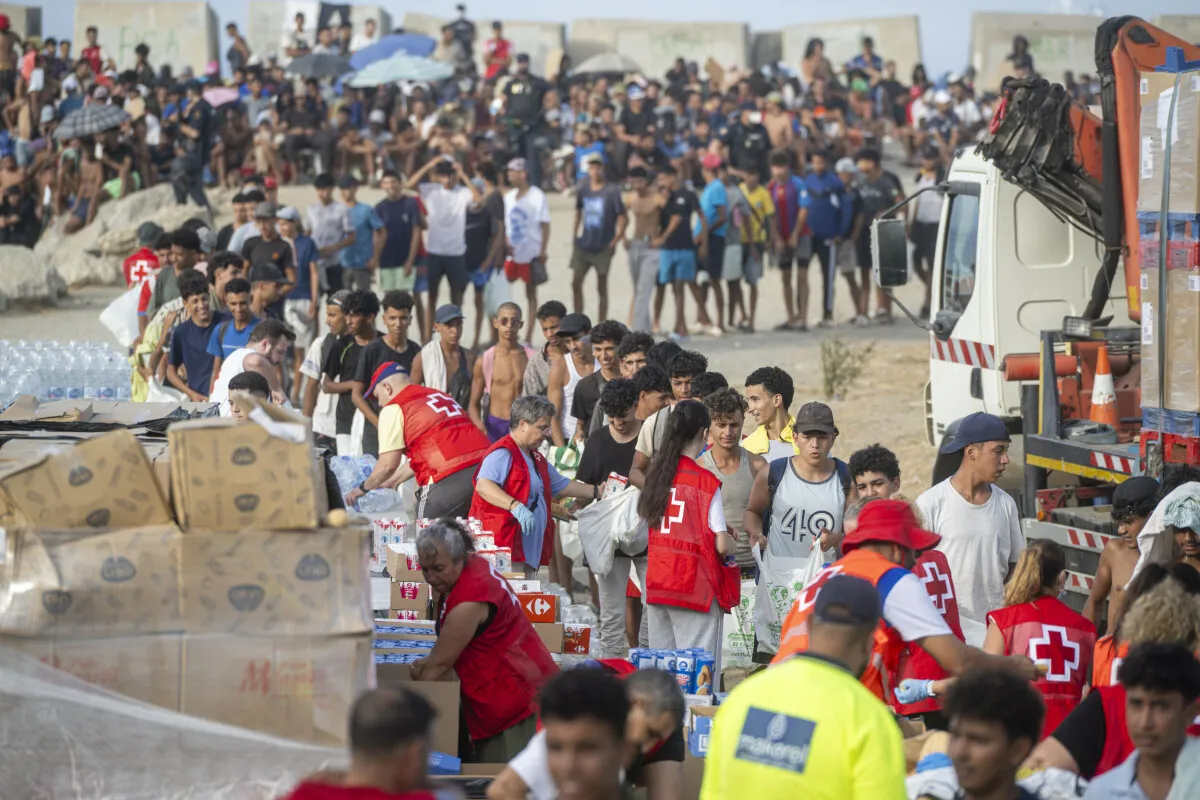
The mass arrival of migrants in Ceuta, which sparked widespread concern across the EU at the end of July, saw as many as 80,000 individuals reportedly crossing from Morocco. While most returned to Morocco, thousands remain in the Spanish exclave in North Africa.
As reported by mopo.de.