
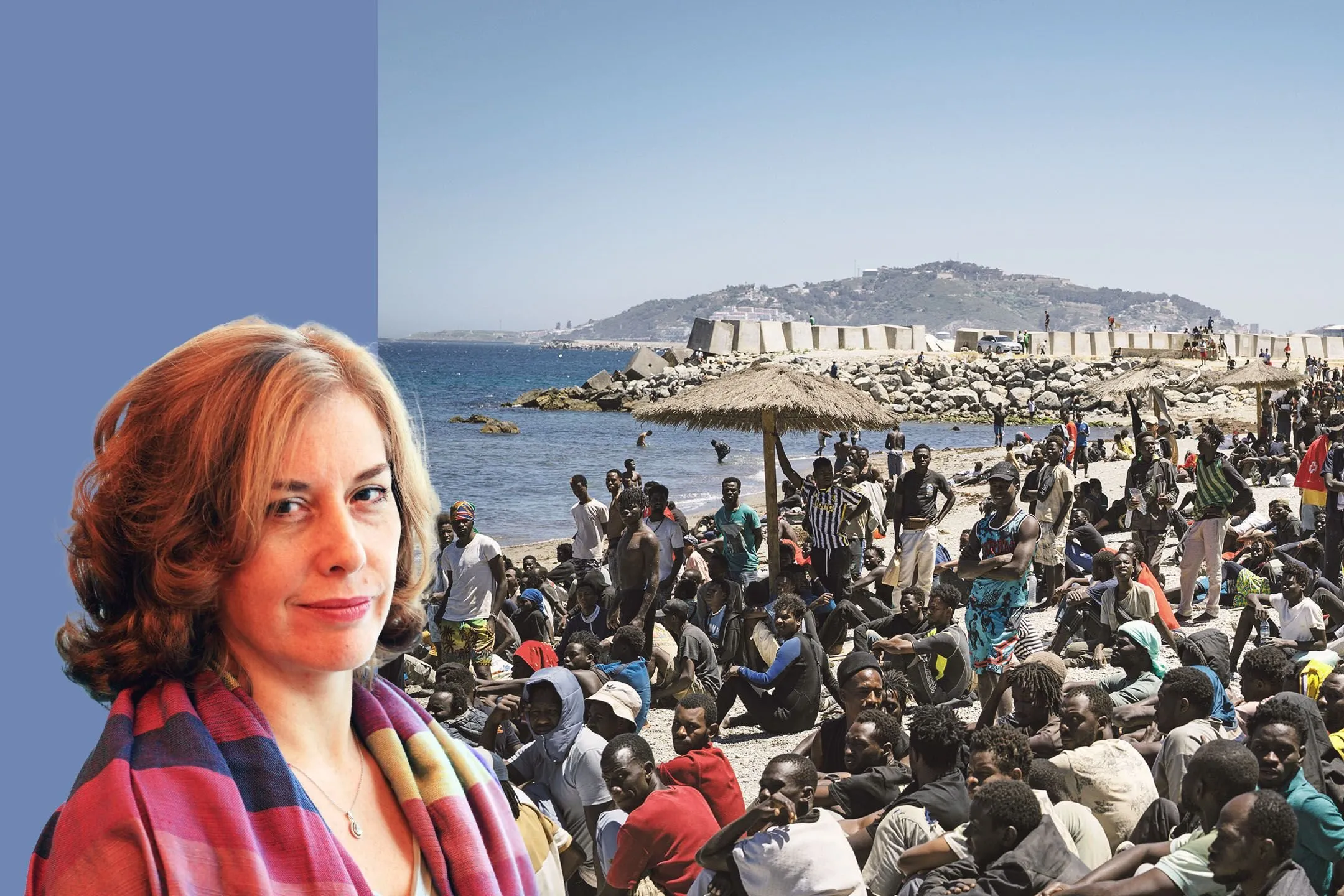

Ceuta: A Reflection of Europe's Disunity
The recent surge of approximately 72,000 individuals, primarily Moroccan nationals, who reached Spain's enclave of Ceuta by swimming or wading across the border, has raised significant concerns regarding the European Union's (EU) response to what can only be described as a hybrid attack on its territorial integrity. In the aftermath of this incident, Madrid swiftly pushed back nearly all of the migrants within a week, seemingly resolving the immediate crisis. However, this is far from a definitive solution; rather, it underscores deeper issues within Europe itself.
Firstly, the events in Ceuta have starkly illuminated the profound mistrust that exists among European heads of state, particularly those with differing political ideologies. This schism not only hampers a unified response to migrant crises but also threatens the very fabric of European cooperation and solidarity. Secondly, it appears that the EU is struggling to comprehend the true nature of the situation. This was not merely a migration crisis; it represented a direct challenge to the territorial integrity of Europe, necessitating a more robust and cohesive response from the union.
Moreover, it is worth considering a less likely but still plausible scenario: the EU member states may have recognized the situation for what it truly is, yet they remain paralyzed by a fear of admitting that they lack the necessary tools to effectively address such geopolitical challenges. This fear could lead to a tendency to downplay the severity of the crisis, ultimately allowing it to fester rather than be resolved. As European leaders reflect on the implications of Ceuta, it is imperative that they acknowledge the complexities of this issue and foster a more collaborative approach to ensure both the security and integrity of the European Union.
As reported by handelsblatt.com.
