
European Parliament's Recent Decision on Migration Events in Ceuta
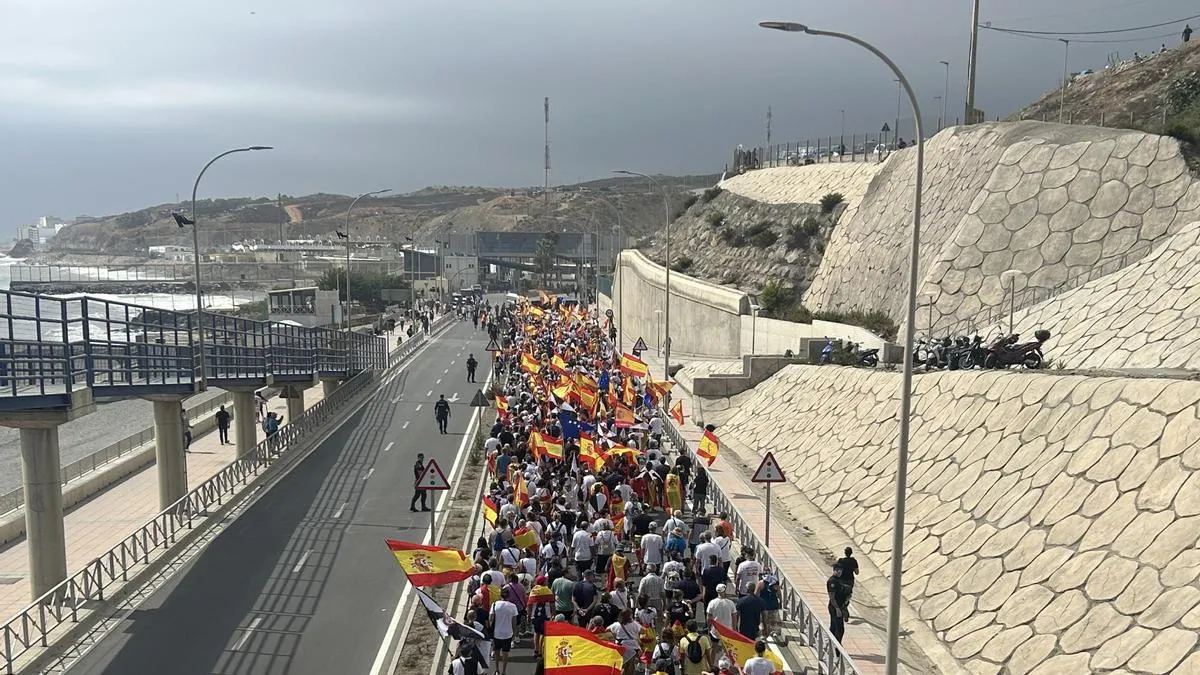
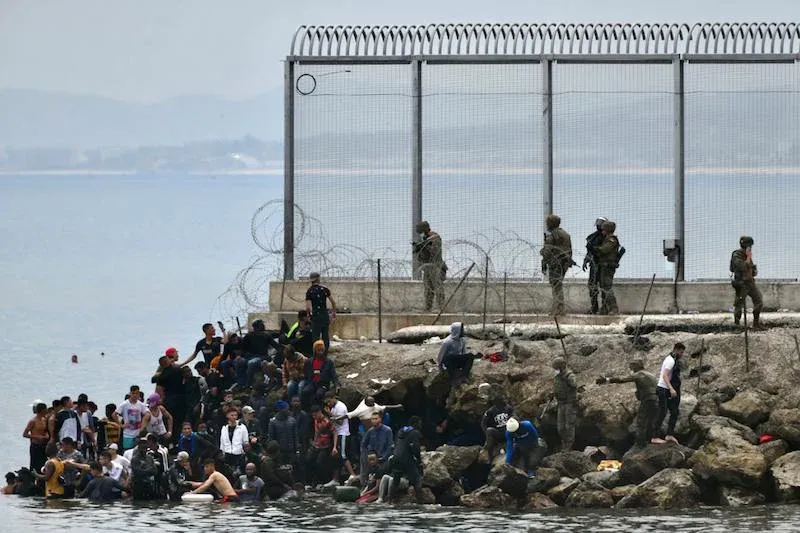
This week, the European Parliament adopted a resolution addressing the mass crossing of irregular migrants into the occupied city of Ceuta that occurred in late July. This decision has reignited discussions intertwined with the political dynamics within Spain, particularly between the ruling leftist coalition and the opposing right. A significant aspect of this debate revolves around attempts to elevate this issue to European institutions, seeking to place it within a broader context beyond the Spanish borders.
Despite various interpretations of this resolution, it notably refrains from condemning Morocco or imposing sanctions, nor does it suggest suspending cooperation with the Kingdom. Understanding this political nuance is crucial, as the resolution emphasizes the importance of collaboration with Morocco in managing migration and border issues. The European Parliament, amidst political pressures from its members, opted for a pragmatic approach rather than escalating tensions with an important partner like Morocco, reinforcing the EU's commitment to strengthening cooperation and partnership.
Calls for Enhanced Cooperation Between Spain and Morocco
In this context, the European Parliament has urged both Rabat and Madrid to bolster their collaboration in the repatriation of irregular migrants and the overall management of migration issues. This reflects a European conviction that effectively addressing these challenges cannot occur without genuine partnerships with neighboring countries. Any attempt by European nations to shift the responsibility for migrant flows onto Morocco—considered the EU's 'external border'—would undermine the practical essence of European policy in this regard.
This European stance is further highlighted in a recent written response from the European Commission regarding the implications of the “Ceuta Events” on Moroccan-European partnership. The Commission stated that safeguarding the EU's external borders is a collective responsibility that requires vigilance and constant readiness. It noted that there has been significant improvement in the effective protection of these borders through enhanced infrastructure and integrated border management within the EU.
Moreover, the European strategy for asylum and migration aims to bolster border security and protection, building upon efforts established by the migration and asylum pact. The Commission will continue to work with member states to effectively implement this pact and provide support at the EU level through relevant agencies. Lessons learned from the Ceuta events will also inform the forthcoming proposal for reviewing the mandate of the European Border and Coast Guard Agency.
It is important to note that there are border controls for individuals traveling from Ceuta and Melilla to mainland Spain, and no subsequent movements from Ceuta have been reported. The EU reiterated that Morocco remains a vital partner, with ongoing efforts to establish a comprehensive strategic partnership that aligns with the interests and priorities of both sides.
Overall, while European institutions emphasize the principle of protecting the EU's external borders, the significance of this principle has been magnified in light of the events in Ceuta, which Morocco considers part of its territory. The European Parliament's reference to the territorial integrity of member states and the linkage of certain aspects of European cooperation to the effectiveness of partners in migration and readmission opens avenues for future cooperation with Brussels, potentially tied to various political contexts.
Nevertheless, the European Parliament's recent decision to refrain from pointing fingers at Morocco, despite attempts to reinterpret its core message, remains an essential factor in understanding the political implications of this resolution. It reflects the Parliament's intent to maintain a degree of flexibility that preserves the continuity of Moroccan-European partnership amidst prevailing tensions.
In essence, the European discourse surrounding the Ceuta events underscores a complex intersection of internal political struggles within Spain, which has become a battleground for contentious exchanges between the opposition and government, alongside the pressing need for a unified European national security approach tested by these mass migrations. Ultimately, it highlights the inadequacy of unilateral European solutions that fail to consider Morocco's geopolitical weight and the critical importance of collaboration in the realms of migration, security, and development in the Western Mediterranean.
As reported by hespress.com.