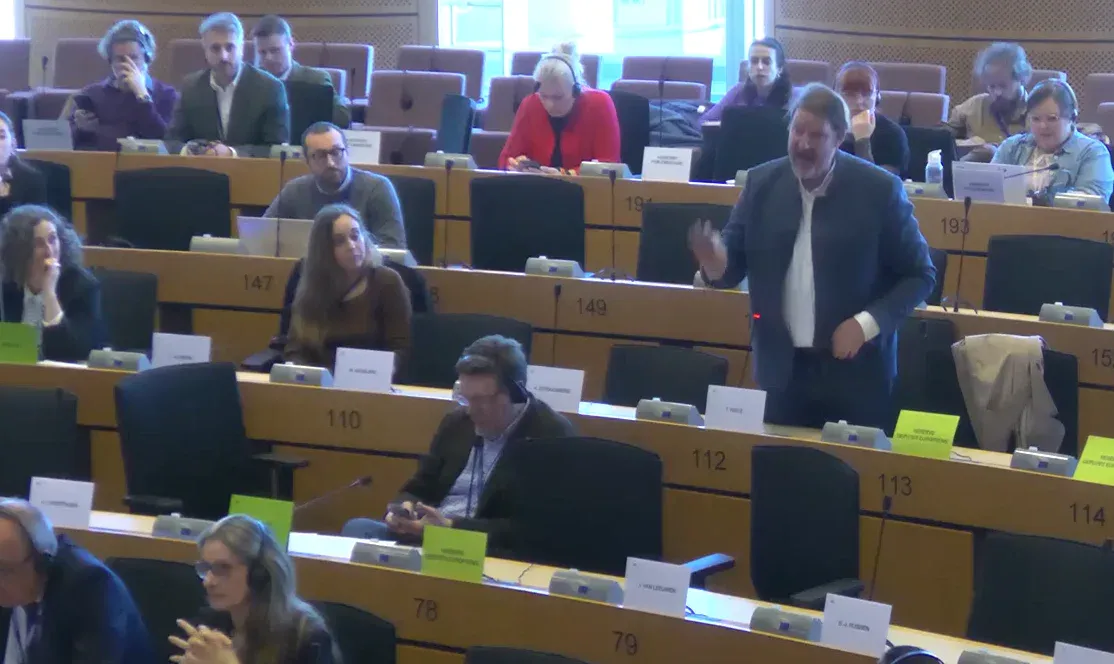

European Parliament Criticizes Trade Practices Related to Western Sahara
Members of the European Parliament have voiced increasing concerns regarding the European Commission's management of trade relations with Morocco, particularly concerning Western Sahara, a territory still awaiting decolonization, whose legal status remains clearly defined by international law. The criticism, which spans various political groups, highlights a troubling combination of opacity, lack of democratic oversight, and potential violations of the jurisprudence established by the Court of Justice of the European Union (CJEU).
This debate emerges in a particularly sensitive context, marked by the provisional application of an agreement that includes products originating from Western Sahara, executed without the consent of the Sahrawi people—a requirement consistently emphasized by the CJEU. The use of mechanisms like labeling by “regions of origin” or the lack of complete trade data further reinforces the perception that there is an attempt to establish a trade framework that circumvents both parliamentary oversight and the legal obligations of the European Union itself.
Legal and Political Tensions Surrounding Trade Agreements
This recent episode reflects an increasingly evident underlying tension in Brussels: the conflict between a trade policy aimed at maintaining strategic relations with Morocco and the legal framework governing Western Sahara. The warnings from Members of the European Parliament underscore a clear risk: that the European Union may repeat the same mistakes that previously led to the annulment of earlier agreements by European courts.
As reported by noteolvidesdelsaharaoccidental.org.