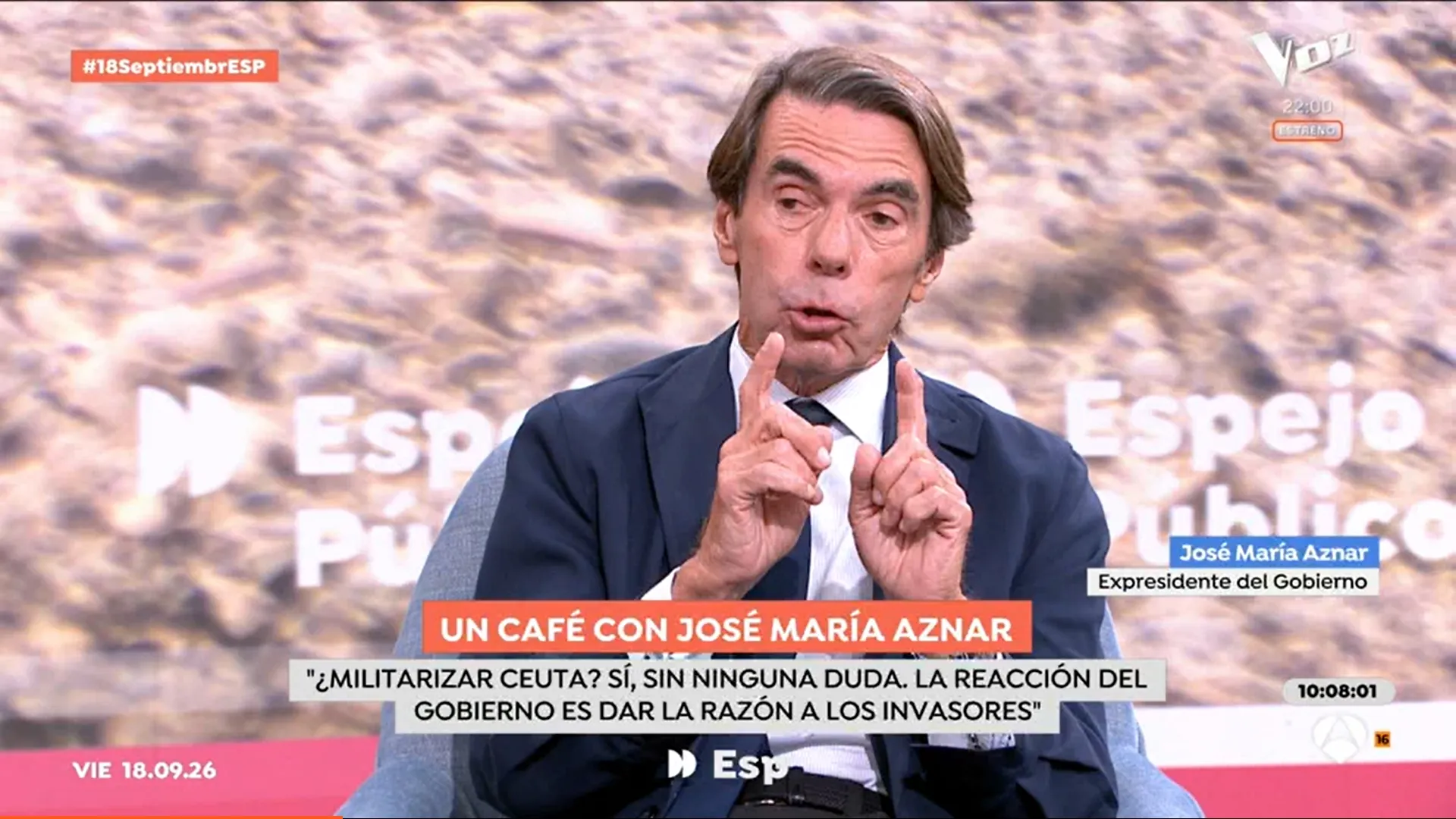

Analysis of the European Parliament's Vote and Its Implications for Morocco
As the political landscape in Europe shifts, the recent vote in the European Parliament regarding the situation in Ceuta has sparked significant controversy and debate. Jorge Bustos, a notable commentator, has weighed in on the implications of the vote, which took place against the backdrop of ongoing democratic elections in Berlin and Pomerania, where Chancellor Mertz is facing mounting pressure following a resounding victory for the Alternative for Germany party in Saxony. Additionally, elections are being held in Russia for the Duma, where the lack of genuine democratic alternatives under Vladimir Putin raises questions about voter participation and sentiment towards the ongoing war and domestic issues.
Turning to Spain, the royal visit to Ceuta has drawn attention, especially in light of the recent actions of Real Madrid players who refused to wear jerseys supporting the local populace. This gesture, while commendable, pales in comparison to a more robust support like organizing a friendly match in Ceuta. In the European Parliament vote, the results have proven to be a mixed bag, with the conservative Partido Popular (PP) emerging victorious and delivering a blow to the ruling Socialist Workers' Party (PSOE) led by Pedro Sánchez. The vote, which lacked consensus, garnered significant support, with 339 votes in favor and 225 against, indicating a shift in European sentiment towards stronger support for Ceuta amidst its hybrid attack from Morocco.
However, the absence of a unified stance is evident, as a third of the Eurocámara still favors maintaining ties with Morocco rather than aligning fully with Ceuta's plight. This division complicates the potential for concrete actions against Morocco, particularly in suspending trade agreements, which require unanimity to be enacted. Consequently, the European response remains tepid, akin to a "yellow card" rather than a decisive action.
In other developments, Minister Óscar Puente expressed satisfaction with the recent decision by the Audiencia Nacional, allowing for the continuation of preparations for accommodating 1,700 immigrants at the Ceuta port. As the political drama unfolds, it remains to be seen how these events will shape Spain's foreign policy and its relationship with Morocco moving forward.
As reported by cope.es.