Understanding the Ceuta Migration Crisis
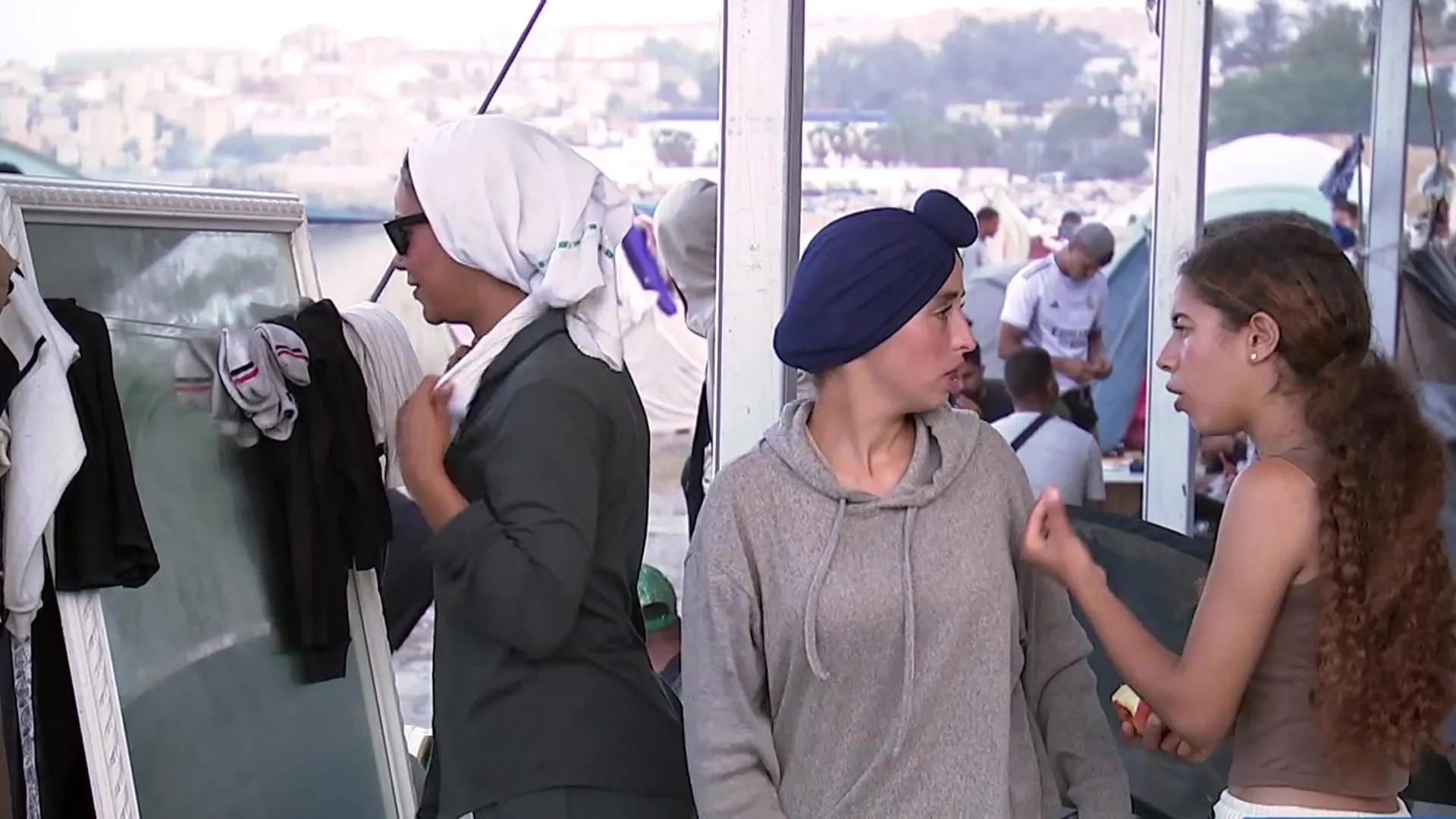
In the aftermath of the recent migration crisis in Ceuta, Spain, which saw an influx of thousands of migrants from Morocco, the European Union is actively investigating the underlying causes. A significant factor identified is the spread of misinformation on social media platforms, which fueled rumors that prompted many individuals to embark on the perilous journey to the Spanish enclave. A report by the Spanish technology firm Golden Owl suggests that this mass migration may have been the result of a coordinated operation, raising questions about who orchestrated the dissemination of such misleading information.
On August 7, discussions commenced between EU officials and representatives from Meta (the parent company of Facebook) and TikTok, aiming to gain insights into the misinformation campaigns that have been circulating. Reports indicate that for months, social media and various WhatsApp groups had been sharing misleading information and maps that facilitated the journey to Ceuta. This situation was exacerbated by a recent ruling from Spain's Supreme Court, which was misrepresented on social media as a decision that would allow all migrants arriving by sea to have their asylum applications processed.
Calls for Increased Vigilance and Collaboration
Henna Virkkunen, the EU Commissioner for Technological Sovereignty, Security, and Democracy, emphasized the necessity for online platforms to take decisive action to maintain the integrity of the digital space, particularly during crises. She asserted that there is an urgent need for enhanced vigilance and stronger collaboration with fact-checkers. The fight against misinformation was highlighted as a crucial strategy discussed during an emergency meeting of the Interior Ministers of the 27 EU member states on August 4.
A follow-up assessment involving Meta and TikTok is scheduled for August 9 to further evaluate the situation. From July 30 to 31, approximately 72,000 individuals entered Ceuta from Morocco, but it has been reported that about 70,000 have since returned. Tragically, more than 80 individuals lost their lives during attempts to swim to the enclave. As the EU navigates this pressing issue, it continues to grapple with the intricate relationship between migration, social media, and the spread of misinformation.
As reported by rfi.fr.