
The Evolving Dynamics of European Foreign Policy
In recent times, Europe has found itself navigating a complex web of geopolitical challenges, as relations with the United States have become increasingly strained. Tensions surrounding the Iran conflict are further testing Europe's ties with its Middle Eastern partners, revealing fractures within NATO and prompting the continent to reconsider its global alliances, particularly its engagement with Africa. The current scenario is characterized by a notable shift in Europe's foreign policy, as leaders grapple with the implications of dwindling trust in traditional allies and the pressing need for energy security.
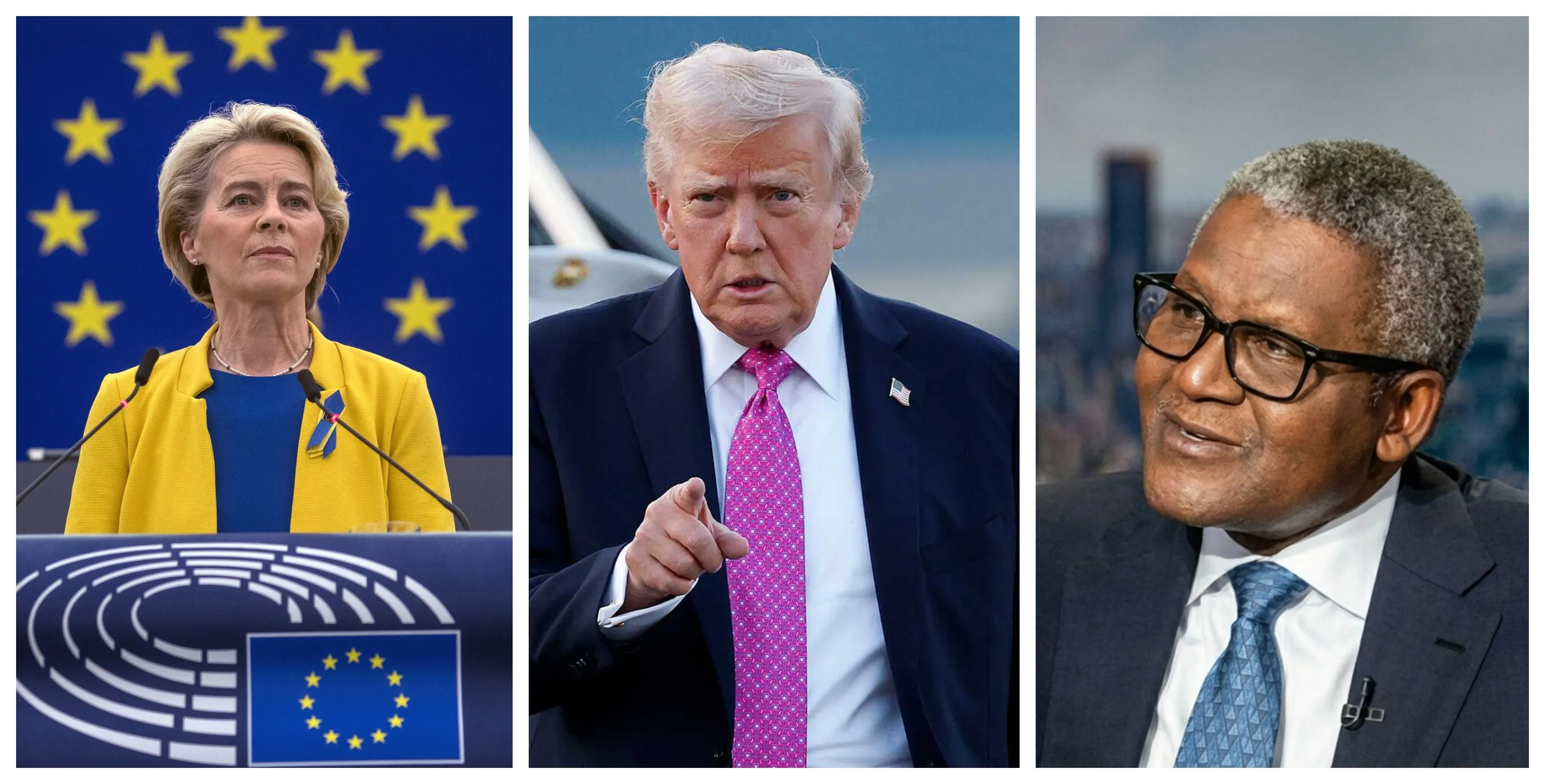
U.S. President Donald Trump's criticisms of NATO and his suggestion of withdrawing American support have left European leaders uneasy. Trump’s remarks that NATO allies have not been supportive during critical times have amplified concerns regarding the alliance's future. In stark contrast, UK Prime Minister Keir Starmer has voiced strong support for NATO, emphasizing its role as the preeminent military alliance that has safeguarded Europe for decades. He affirmed Britain’s commitment to NATO while simultaneously distancing the nation from direct involvement in the Israel-Iran conflict, indicating a cautious approach that prioritizes stability over engagement.
Shifting Energy Dependencies and New Alliances
The ongoing crisis in the Strait of Hormuz, a vital energy corridor historically responsible for supplying approximately 40% of Europe's jet fuel, has underscored the risks associated with dependency on Middle Eastern routes. With geopolitical tensions causing disruptions and driving up prices, Europe is increasingly looking toward Africa to bolster its energy security. Reports indicate that shipments from West African nations such as Angola and Nigeria are set to surge, aiming to meet the rising demand from European markets. Italy, for example, has strengthened its gas cooperation with Algeria, which now fulfills over 30% of its natural gas needs, while Nigeria plays a crucial role in supplying liquefied natural gas to Portugal.
This pivot towards African nations is not merely a reaction to immediate energy crises, but part of a broader strategic realignment. The European Union is moving away from traditional aid models, opting instead for partnerships grounded in mutual economic and security interests. Recent visits by EU officials to countries like Nigeria and Ghana have resulted in significant investment packages aimed at fostering development across various sectors, including healthcare and infrastructure. Kaja Kallas, the EU foreign policy chief, highlighted the importance of the newly established EU-Ghana Security and Defence Partnership, which aims to enhance cooperation in matters critical to the safety of citizens in both regions. As Europe seeks to redefine its relationship with Africa, it is becoming increasingly clear that the prosperity of the African continent is intrinsically linked to Europe’s own stability and development.
As reported by africa.businessinsider.com.