
Understanding the Migration Crisis at Ceuta
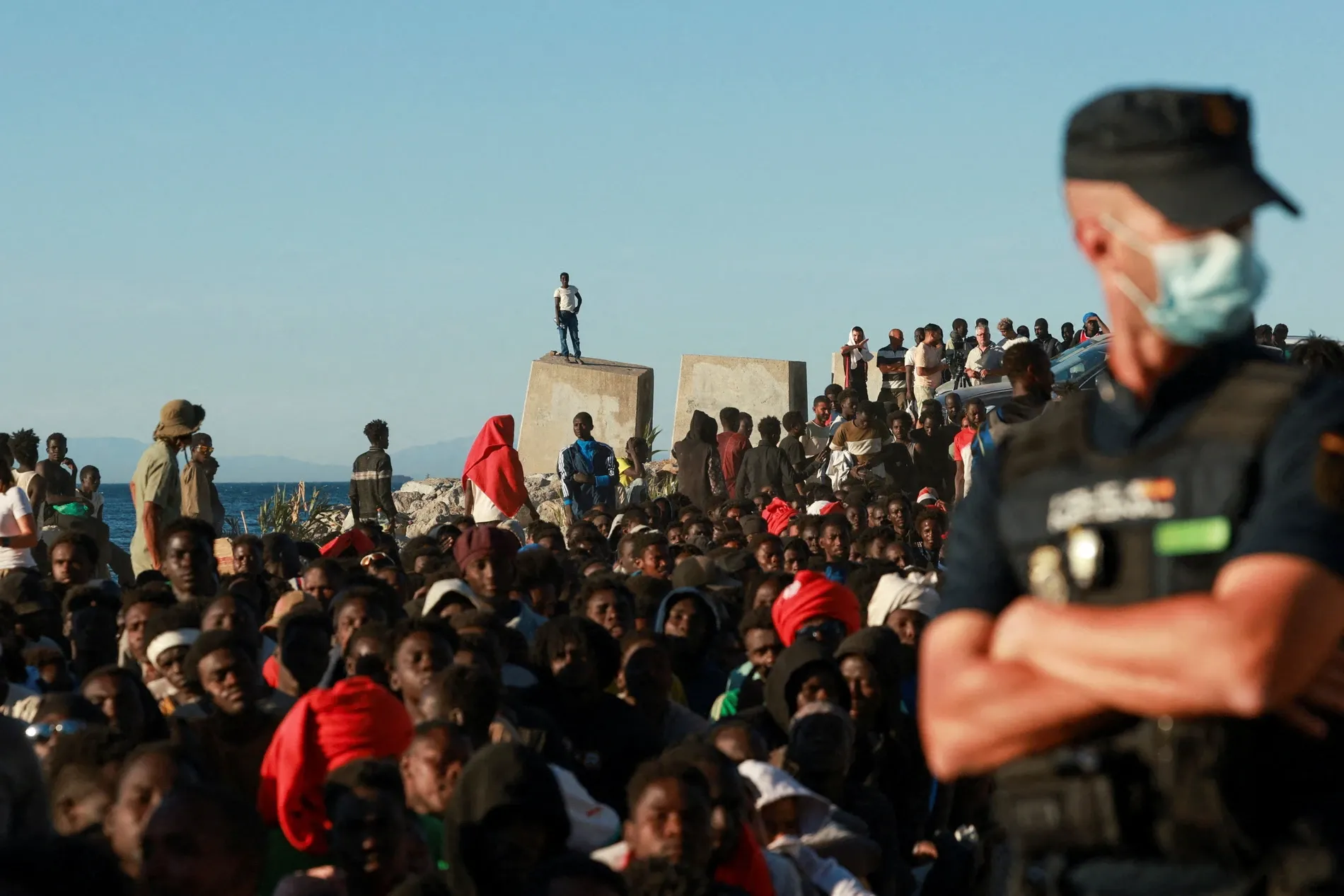
On the morning of July 30, a dramatic scene unfolded at Europe's external border as thousands of individuals plunged into the sea, attempting to reach the Spanish enclave of Ceuta from Morocco. This event starkly highlighted the vulnerabilities within Europe’s migration policies, demonstrating just how fragile the situation is at the continent's borders. The tragic outcome saw at least 72 lives lost, underscoring the extreme pressures facing European nations regarding migration management. In light of these events, Manfred Weber, the Chairman of the European People's Party (EVP), emphasizes the necessity for Europe to establish rapid Return Hubs in Africa. This strategy aims to facilitate a more organized and humane approach to managing migration and ensuring that individuals seeking to enter Europe do so through legal channels.
The Path Forward for European Migration Policy
Weber argues that the events in Ceuta should serve as a crucial learning opportunity for Europe. He asserts that successful collaboration with neighboring countries is not only possible but essential for creating effective migration frameworks. By setting up Return Hubs in Africa, Europe can better manage migration flows and reduce the risks faced by those attempting dangerous crossings. These hubs would function as centers where individuals can apply for asylum or other forms of legal entry into Europe, thereby alleviating the pressure on the borders and improving safety for migrants. Implementing such measures is vital for reshaping the narrative around migration in Europe, moving towards a system that prioritizes safety, legality, and cooperation.
As reported by faz.net.