
Introduction to the Importance of Biocides in Infection Control
Biocides play a crucial role in the prevention and control of infections within healthcare settings. However, improper preparation or dilution of these agents can significantly compromise their antimicrobial efficacy. A recent exploratory pilot study was conducted to assess the effectiveness of three commonly used hospital biocides against selected multidrug-resistant clinical isolates sourced from a tertiary-care hospital in Morocco. This study specifically aimed to evaluate the visible growth inhibition produced by sodium hypochlorite, hydrogen peroxide, and ethanol across varying concentrations against resistant bacterial strains.
Study Methodology and Findings
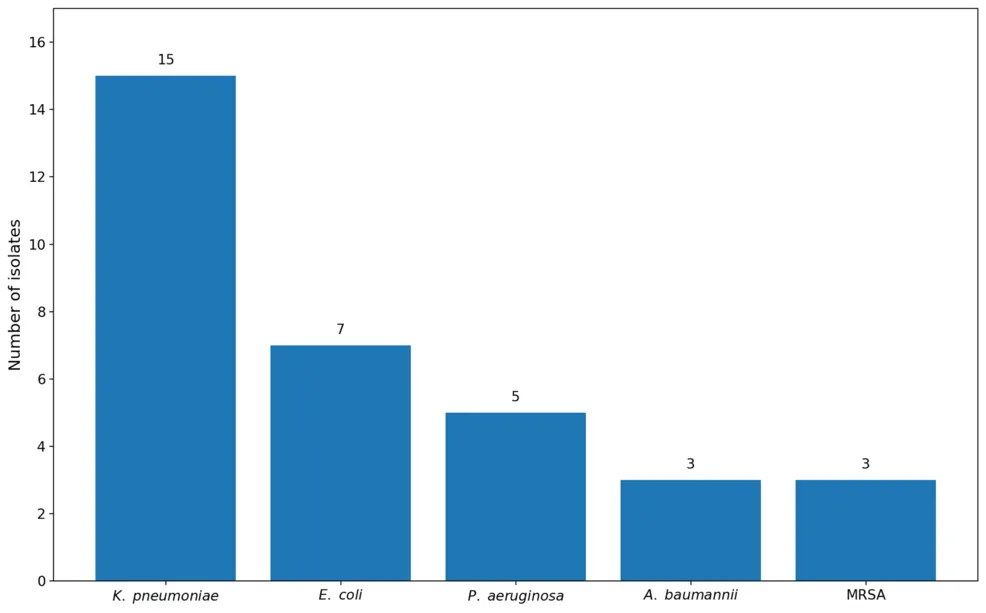
The study was carried out in a laboratory setting from March 1 to April 10, 2026, where a total of 33 non-duplicate bacterial isolates were tested, comprising species such as Klebsiella pneumoniae, Escherichia coli, Pseudomonas aeruginosa, Acinetobacter baumannii, and methicillin-resistant Staphylococcus aureus. To prepare the biocide working solutions, sodium hypochlorite at 0.5%, hydrogen peroxide at 3%, and ethanol at 70% were serially diluted with sterile water before being mixed with bacterial suspensions. The study aimed to identify the concentrations at which visible growth of bacteria could be inhibited. Results indicated that none of the isolates displayed visible growth at the highest concentrations tested, which were 0.25% for sodium hypochlorite, 1.5% for hydrogen peroxide, and 35% for ethanol. However, as the biocides were diluted, specific reductions in their inhibitory activity were observed, with notable growth occurring in a significant number of isolates at lower concentrations.
This pilot study underscores the importance of meticulous adherence to preparation protocols for biocides in healthcare settings. The findings revealed that while these biocides are effective at higher concentrations, dilution can lead to a loss of their antimicrobial properties, highlighting the need for standardized practices in their application. The study also emphasizes the persistent threat posed by multidrug-resistant organisms in hospital environments, which necessitates continuous vigilance and effective infection control measures.
As reported by cureus.com.