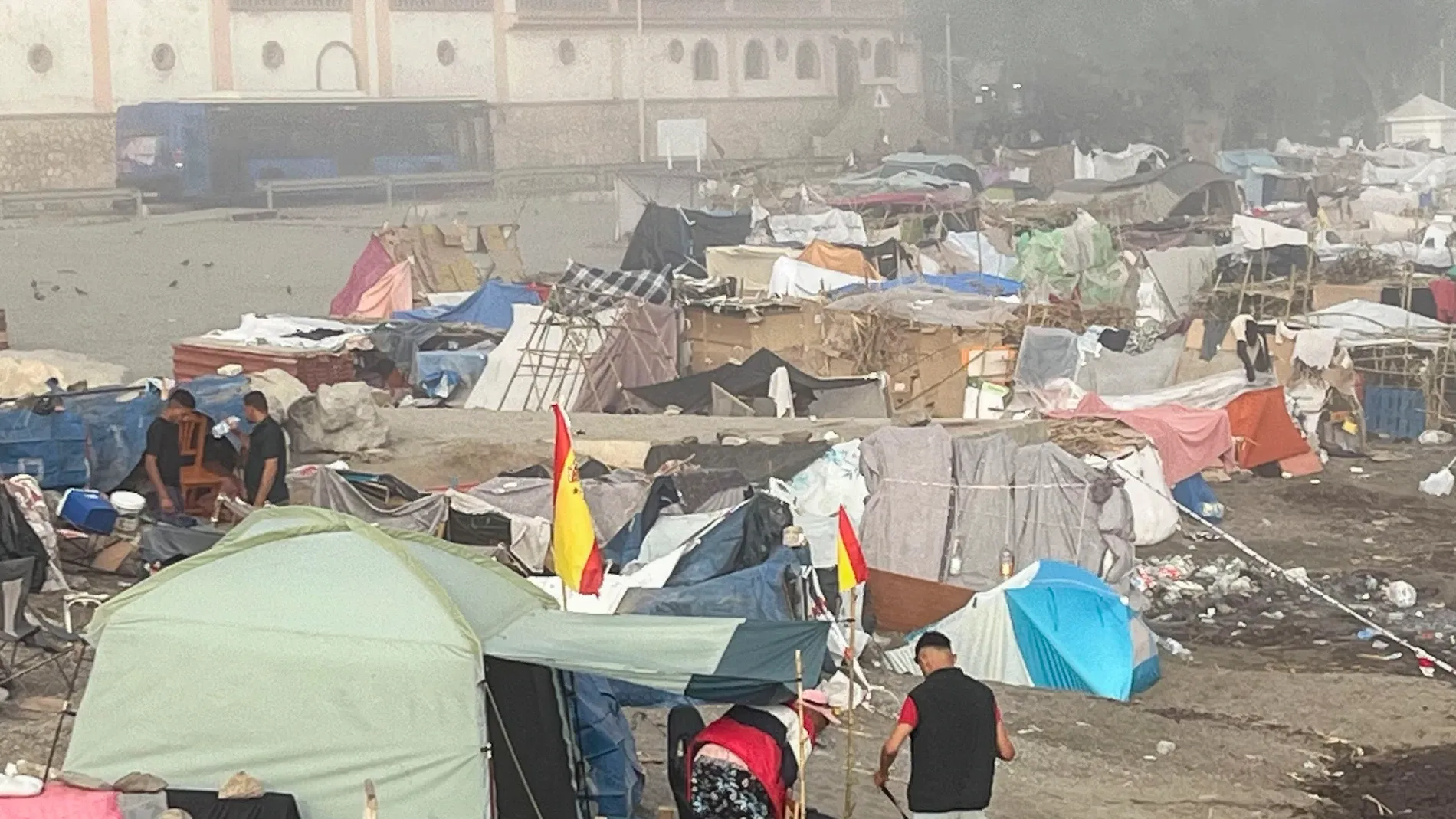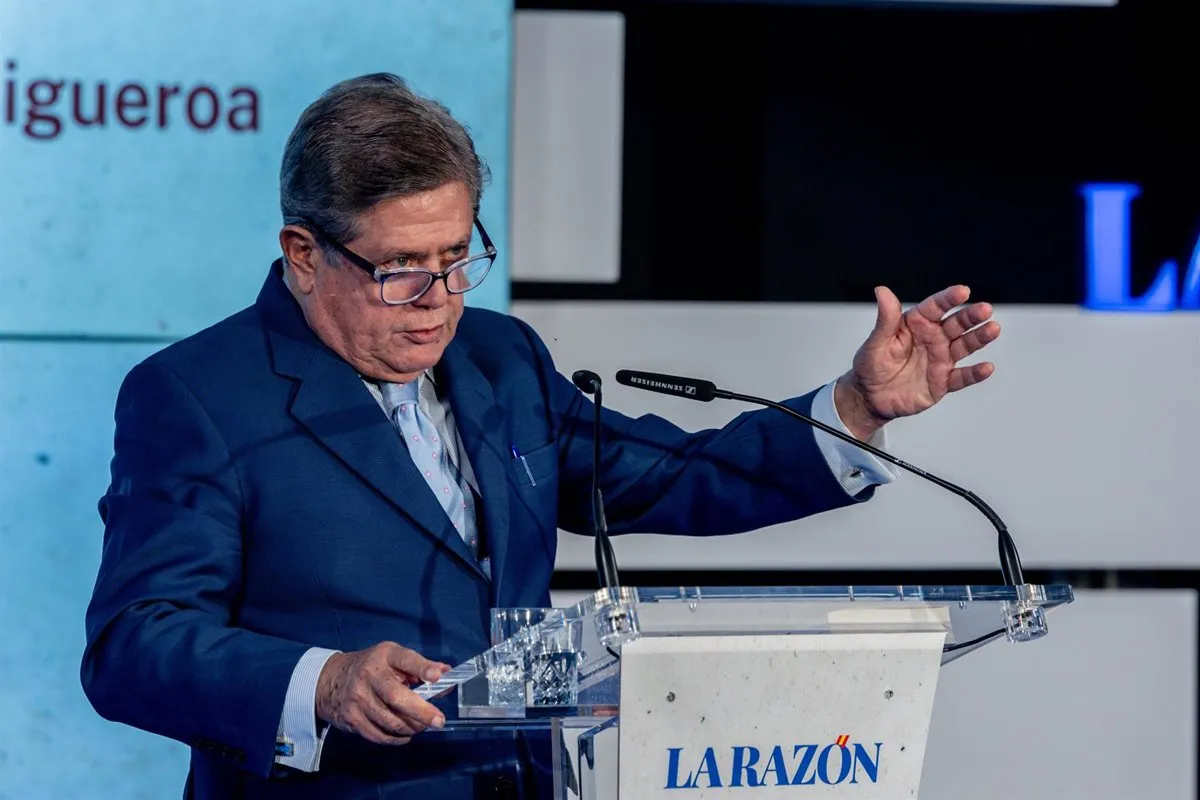

In a recent interview with Europa Press, former Defense Minister Federico Trillo has called for the declaration of a state of exception in Ceuta, arguing that it would facilitate the expulsion of all "illegal invaders, irrespective of their age," and enable Spain to hold Morocco accountable in international forums such as the United Nations and European courts. This appeal comes in light of the tragic events surrounding the mass entry of migrants in late July, which resulted in over 150 deaths, a situation Trillo believes necessitates urgent action and accountability from Morocco.
Trillo expressed his discontent with the current Spanish government's handling of the situation, suggesting that Prime Minister Pedro Sánchez exhibits signs of "Stockholm syndrome," being held captive by external influences and presenting a narrative that aligns with his captors. He emphasized that Sánchez's version of events surrounding the migrant crisis is so implausible that it has not garnered belief even among his parliamentary allies. Trillo pointed out that Morocco's involvement in the events leading up to the crisis is undeniable, citing repeated statements from Moroccan ministers asserting claims over Ceuta and Melilla, which he views as evidence of a premeditated assault that occurred on July 30 and 31.
Call for International Accountability and Legal Action
The former minister outlined two critical aspects regarding Spain's relationship with Morocco. First, he believes the Spanish government must declare a state of exception, which would allow for the immediate expulsion of individuals who have illegally entered the country. This constitutional mechanism is designed to be used during significant public order disturbances and would equip the state with extraordinary powers to address such emergencies effectively. Second, Trillo insists on the necessity of demanding international accountability from Morocco in various global forums, asserting that the deaths resulting from the migrant crisis are solely attributable to Moroccan actions, and thus, the international community must investigate these incidents rigorously. He criticized the Spanish government for failing to take action in the month following the crisis, emphasizing that the loss of life should never be overlooked.
Trillo further elaborated on the gravity of the situation, stating that the events constitute a crime against Spain's external security. He endorsed the ongoing investigation led by a judge from the National Court, supporting the notion that the issue should be in the hands of judicial authorities. The former minister noted the importance of recognizing the warnings provided by the National Intelligence Center (CNI) and security forces, which had predicted such an invasion. He firmly believes that the courts must address this illegitimate act that has resulted in significant loss of life.
On the topic of potential investigations into Sánchez's actions, Trillo deemed it premature to make judgments regarding the Spanish Prime Minister's conduct. He emphasized the importance of allowing the legal system to operate independently without preconceived notions of guilt. Trillo also rejected Sánchez's claims of receiving no advance warnings about the migrant influx, asserting that such statements are not only false but indicative of manipulation by Moroccan authorities. He underscored that this invasion was orchestrated by Moroccan intelligence and supported by their military forces.
Trillo recalled that the situation had been anticipated as early as two months prior during a NATO summit when Donald Trump mentioned border issues. He compared the current crisis to historical instances of "peaceful invasions" orchestrated by Morocco, such as the Green March, emphasizing the strategic nature of these incursions. As for the publication of reports concerning the events leading up to the mass entry, Trillo stressed the necessity of transparency but expressed skepticism about whether Sánchez would follow through, citing historical precedents of government disclosure during politically sensitive times.
In a more reflective tone, Trillo acknowledged the courage displayed by Defense Minister Margarita Robles in recognizing the CNI's prior knowledge of the situation, asserting that failing to acknowledge this would undermine the agency's credibility in the future. He criticized Interior Minister Fernando Grande-Marlaska for his current stance, labeling it as unacceptable. Regarding the potential visit of King Felipe VI to Ceuta, Trillo stated that the timing would be determined by an agreement between the monarchy and the government, but he believes it should happen as soon as possible. Lastly, he called for clarity from Sánchez's ministers who celebrated at the Moroccan Embassy while the crisis unfolded, questioning their inaction during such a critical time.
As reported by europapress.es.