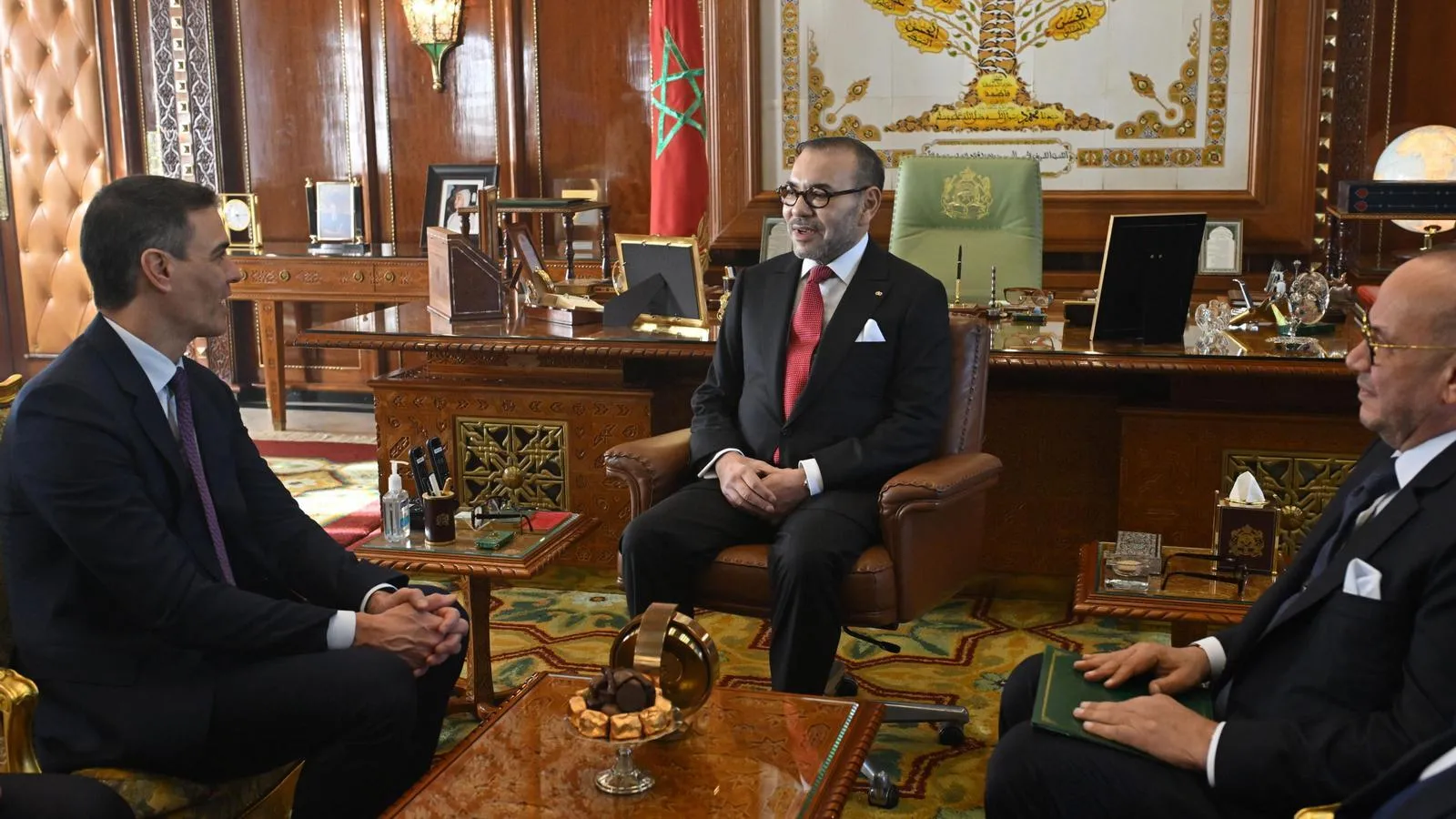

Understanding the Madrid-Rabat Diplomatic Relations
The diplomatic relationship between Spain and Morocco has been characterized by a series of fluctuations, oscillating between tension and cooperation. The recent migratory crisis in Ceuta has once again highlighted the complexities of this relationship, prompting various factions within Spain to call for a closer examination of Morocco's role in these events. Notably, the political party Sumar, part of the current coalition government, has urged the United Nations to investigate Morocco's involvement, suggesting that the situation is not merely about migration but is deeply rooted in political decisions. This sentiment was echoed by Tesh Sidi, a deputy in Spain's Congress, who articulated that the crisis transcends migration concerns and is a reflection of geopolitical maneuvers.
Significant Historical Milestones in the Madrid-Rabat Relations
Over the past decades, several pivotal moments have shaped the diplomatic landscape between Madrid and Rabat. One of the most notable events is the Green March of 1975, when Morocco sought to annex Western Sahara. This action, prompted by the monarchy of Hassan II amidst domestic unrest, led to a significant humanitarian and political crisis that drew criticism from the United Nations, which had previously agreed to facilitate a decolonization process. Morocco's ongoing occupation of the territory remains a contentious issue, with the Sahrawi people's call for self-determination continuously supported by international bodies.
Another critical episode occurred in 2002 under the administration of José María Aznar, when Moroccan forces occupied the Perejil Islet, a territory claimed by Spain since the 17th century. This incident escalated into a serious diplomatic conflict, leading to military intervention by the Spanish government and mediation efforts from the United States, showcasing the volatility of the relationship.
In 2007, the Spanish Royal Family made a controversial visit to Ceuta and Melilla, autonomous cities claimed by Morocco, which provoked a stern reaction from King Mohammed VI. The visit was perceived as a direct affront to Moroccan sovereignty and resulted in heightened diplomatic tensions.
Migration crises have also punctuated this relationship, with significant events occurring in 2014 when a surge of migrants attempted to cross into Spain from Morocco. The Spanish government's response, including a visit from the Minister of the Interior to address the situation, highlighted the ongoing challenges both countries face regarding immigration management.
Most recently, in 2021, the diplomatic landscape shifted dramatically following Spain's decision to provide medical assistance to Brahim Ghali, the leader of the Polisario Front. This led to a new wave of migration into Ceuta, with over 10,000 individuals crossing the border in a short period. However, a diplomatic resolution appeared to be reached in 2022, with both nations agreeing to a renewed partnership focused on immigration control and cooperation, even as Spain altered its historical stance on Western Sahara by backing Morocco's claims. As of 2023, relations between the two nations have reportedly improved significantly, with Spain's Prime Minister Pedro Sánchez making multiple visits to Morocco, indicating a possible new chapter in their bilateral relations.
As reported by en.ara.cat.