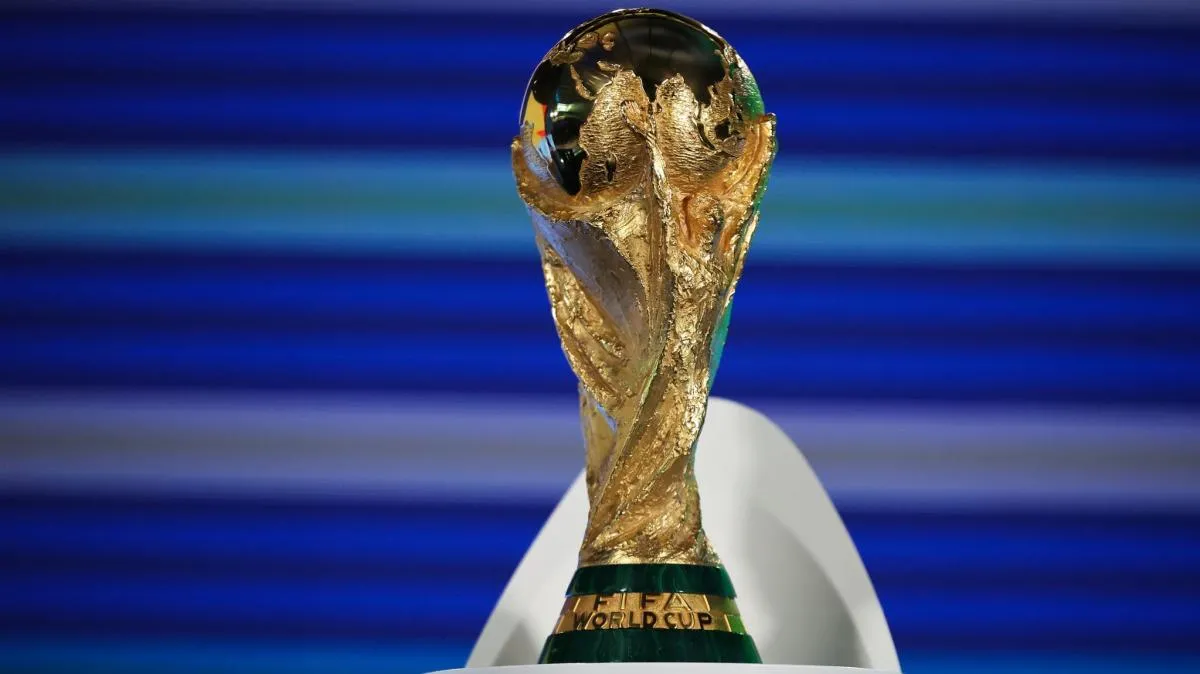

As the men's FIFA World Cup concludes with Spain's victory on July 19, 2026, the global football community eagerly shifts its focus to the next tournament scheduled for 2030. The forthcoming World Cup will see Spain, the defending champions, alongside Portugal and Morocco, taking on the role of host nations. Remarkably, the 2030 FIFA World Cup also marks a centennial milestone, celebrating 100 years since the inaugural tournament held in 1930. These significant developments bring forth several groundbreaking changes for the upcoming men's World Cup, which we will explore in this article.
One of the most notable premieres of the 2030 men's FIFA World Cup is its unprecedented scale, as it will be the first tournament to span multiple continents. According to FIFA, the organizing committee has selected Spain, Portugal, and Morocco as the host countries, encompassing both Europe and Africa in this historic event. This multi-continental approach not only broadens the reach of the tournament but also enhances the global spirit of football.
In line with the centennial celebration of the World Cup, there will be an exciting twist in the host locations, as three matches are set to take place in South American countries. FIFA has announced that one match will be held in Uruguay, the original host and champion of the inaugural tournament in 1930. Additionally, a game will take place in Argentina, the runner-up of the first World Cup, while Paraguay will also host a match, given its significance as the headquarters of CONMEBOL. This means that the 2030 World Cup will feature matches across three continents and six countries, further enriching the tournament's legacy.
While the final list of qualified teams for the upcoming World Cup is yet to be determined, it is assured that the host nations—Spain, Portugal, and Morocco—will be participating. Moreover, Uruguay, Argentina, and Paraguay will be included as hosts for the special matches, securing their presence in the tournament as well.
The expansion of the 2030 FIFA World Cup to three continents also introduces a novel scheduling aspect. FIFA has confirmed that the opening matches featuring the national teams of Uruguay, Argentina, and Paraguay will occur in their respective countries prior to the official tournament kickoff on Thursday, June 13, 2030. With the final match already set for Sunday, July 21, 2030, the foundational timeline for the upcoming World Cup is clearly outlined.
Here is the current overview of the schedule for the 2030 World Cup:
It's important to note that changes may still occur regarding this preliminary plan. Alejandro Dominguez, the head of the South American Football Confederation, has long advocated for a World Cup featuring 64 teams. Following the new format introduced in the 2026 tournament, which included 48 teams, FIFA President Gianni Infantino is reportedly open to this suggestion. If this proposal materializes, the 2030 World Cup could witness a longer duration and a greater number of participating teams than ever before, marking yet another first for this prestigious event.
As reported by augsburger-allgemeine.de.