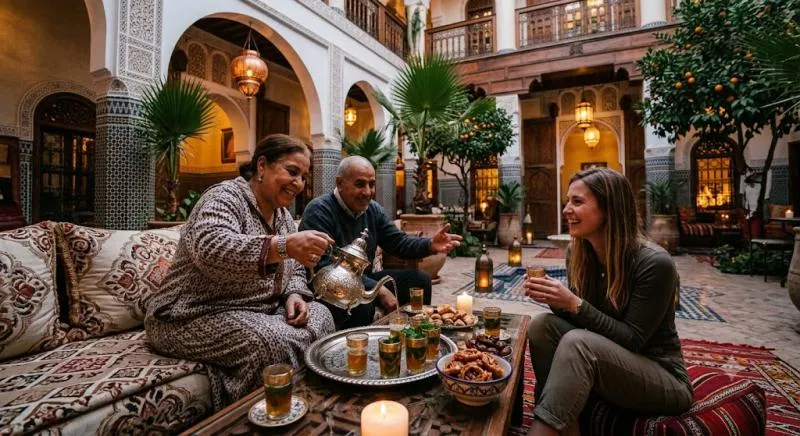

Morocco's Thriving Hospitality Sector
Morocco's hospitality industry is currently experiencing a transformative phase, driven by a surge in tourism demand, significant investments in infrastructure, and the advent of premium accommodations. As the country enhances its appeal as a competitive destination for leisure, business, cultural, and luxury travel, it is captivating the interest of hospitality operators, investors, hotel developers, and international brands alike. This burgeoning interest is spurred by Morocco's rich historical sites, picturesque coastal regions, vibrant cultural attractions, and improved transportation networks, all of which contribute to a robust hospitality ecosystem. As investment flows into both established urban hubs and emerging tourist locales, the focus is shifting toward creating accommodation experiences that resonate with both international visitors and regional travelers.
The hospitality landscape in Morocco is evolving beyond traditional hotel offerings. The market is now embracing a diverse range of accommodations that include resorts, boutique hotels, serviced apartments, luxury lodgings, business hotels, branded residences, and innovative tourism experiences. This evolution reflects a broader trend where hospitality is increasingly viewed as a multifaceted ecosystem, catering to a wide spectrum of traveler preferences.
Adapting to Modern Traveler Expectations
One of the pivotal factors shaping the Middle East Morocco Hospitality Market is the changing profile of visitors. Today's travelers prioritize experience over mere accommodation; they seek properties that seamlessly blend comfort with local culture, unique architecture, culinary delights, wellness offerings, entertainment, and convenient access to attractions. This paradigm shift is prompting hospitality companies to revisit their development strategies and enhance their offerings.
Properties that successfully intertwine Moroccan heritage with contemporary guest expectations are poised to stand out in an increasingly competitive environment. Cities like Marrakech, Casablanca, Agadir, Tangier, and Rabat exhibit diverse demand profiles, enabling investors and operators to tailor their hospitality concepts to specific markets, rather than relying on a one-size-fits-all approach.
Moreover, the expansion of Morocco's tourism infrastructure is paving the way for a more strategic approach to hospitality investment. Developers are now assessing projects based on various criteria, including destination potential, accessibility, visitor demographics, seasonality, and long-term asset viability. This shift signifies a broader understanding among investors that hospitality assets encompass more than just physical spaces; they represent integrated tourism platforms capable of generating revenue through multiple channels—ranging from accommodations to dining, events, wellness, and retail experiences.
In addition, digital transformation is rapidly reshaping guest expectations within the hospitality sector. Travelers now anticipate seamless digital interactions throughout their journey, including online bookings, mobile communication, digital payments, personalized offers, and automated check-in processes. For hotel operators, embracing technology is no longer optional; it is essential for enhancing operational efficiency and fostering customer loyalty. Leveraging data analytics allows hospitality businesses to gain insights into booking trends, pricing behavior, seasonal demand fluctuations, and customer preferences, ultimately enabling more informed pricing strategies and personalized marketing campaigns.
The outlook for the Middle East Morocco Hospitality Market remains optimistic, as continued tourism development, infrastructure enhancements, and evolving consumer preferences are set to redefine the sector. Future growth is likely to favor businesses that can merge international hospitality standards with local relevance. Rather than competing solely on room rates, hotels and resorts will increasingly differentiate themselves based on experiences, convenience, personalization, sustainability, and brand identity. For stakeholders looking to navigate Morocco's hospitality landscape, opportunities abound across the entire value chain—from hotel development and management to technology, food and beverage services, wellness initiatives, and comprehensive travel experiences.
As reported by openpr.com.