

Unveiling Fes el Bali: A Cultural Gem in Spring 2026
In the spring of 2026, Fes el Bali, the UNESCO-recognized Medina in Fes, Morocco, undergoes a remarkable revival characterized by its mild climate, vibrant souks, and innovative cultural initiatives. This enchanting destination becomes increasingly appealing to cultural travelers as the air fills with the aroma of spices, freshly baked bread, and leather, providing a sensory feast unlike any other. The narrow streets bustle with merchants, artisans, and tourists, creating an atmosphere that is both dynamic and authentic. The favorable spring weather not only enhances the experience but also coincides with various ongoing cultural and preservation projects, ensuring that this historical site remains a living testament to its medieval roots. Travelers seeking an immersive journey into a lively historical environment will find Fes el Bali an essential destination in Spring 2026.
A Historical Overview of Fes el Bali
Fes el Bali, known as the heart of Fes, has been recognized by UNESCO as a World Heritage site since 1981 and stands as one of the largest living medieval cities globally. The Medina spans approximately 250 hectares, enclosed by a 13-kilometer-long wall dating back to the 13th century, and is home to around 150,000 residents. This vibrant urban space is constantly evolving while maintaining its rich historical significance. The origins of Fes el Bali date back to the 8th century when Idris I founded the city as a sanctuary for Arab scholars. Over the centuries, it emerged as a center of Islamic learning and trade, especially during the 13th century under the Marinid dynasty. The al-Qarawiyyin University, established in 859, is recognized as one of the world’s oldest continuously operating universities and continues to attract students and scholars from around the globe. The architectural landscape of the Medina showcases a harmonious blend of Berber, Arab, and Andalusian influences, featuring narrow alleys adorned with intricate tile work and exquisite wood carvings.
As Spring 2026 unfolds, Fes el Bali is poised to benefit from ongoing preservation and modernization projects supported by the Moroccan government and international organizations. These initiatives aim to preserve the historical integrity of the Medina while simultaneously improving the living conditions of its inhabitants. Efforts include the restoration of historic buildings, enhancement of infrastructure, and promotion of sustainable tourism practices. Visitors can witness these endeavors firsthand by exploring restored riads, revamped souks, and new cultural events that add to the rich tapestry of experiences available.
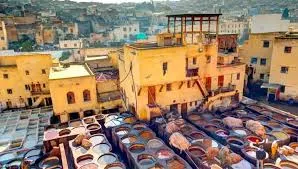
A visit to Fes el Bali in Spring 2026 promises an array of captivating highlights. The souks present a labyrinth of shops offering everything from spices and leather goods to handcrafted carpets. A visit to the Chouara Tannery is essential, where traditional tanning methods using natural dyes like indigo and saffron are showcased. The Medersa Bou Inania, a 14th-century Islamic school, stands as one of the few religious buildings accessible to non-Muslims, captivating visitors with its symmetrical courtyard and elaborate tile work. Although the al-Qarawiyyin Mosque is closed to non-Muslims, its exterior offers a glimpse into the Medina's religious significance.
The Medina welcomes visitors daily from sunrise to sunset, with most shops operating between 9:00 AM and 7:00 PM. Entrance to the Medina is free, although certain attractions, such as the Medersa Bou Inania, may charge a nominal fee. With spring temperatures ranging from 15 to 25 degrees Celsius, the weather is ideal for leisurely strolls through the vibrant streets. It is advisable for visitors to wear comfortable shoes, as the pathways can be rocky and uneven, and to carry sufficient water to stay hydrated.
For an optimal experience, engaging a local guide familiar with the Medina's history and stories is highly recommended. Tours can be booked through local travel agencies or online platforms, ensuring an enriching exploration of this historical jewel. The Medina is well-connected by public transportation, with buses and taxis stopping near the Bab Boujloud gates. Accommodations, particularly riads—traditional Moroccan guesthouses—are available within or near the Medina, offering an authentic stay amidst the bustling atmosphere.
Fes el Bali in Spring 2026 exemplifies how historical cities can adapt to modern needs while preserving their authenticity. The rich history, vibrant culture, and ongoing preservation efforts make the Medina an unforgettable destination for cultural travelers. With a lively atmosphere, engaging souks, and innovative cultural projects, Fes el Bali offers an immersive experience in a continuously evolving medieval city. For those eager to explore history, culture, and authenticity, a visit to Fes el Bali in Spring 2026 is an experience not to be missed.
As reported by ad-hoc-news.de.
