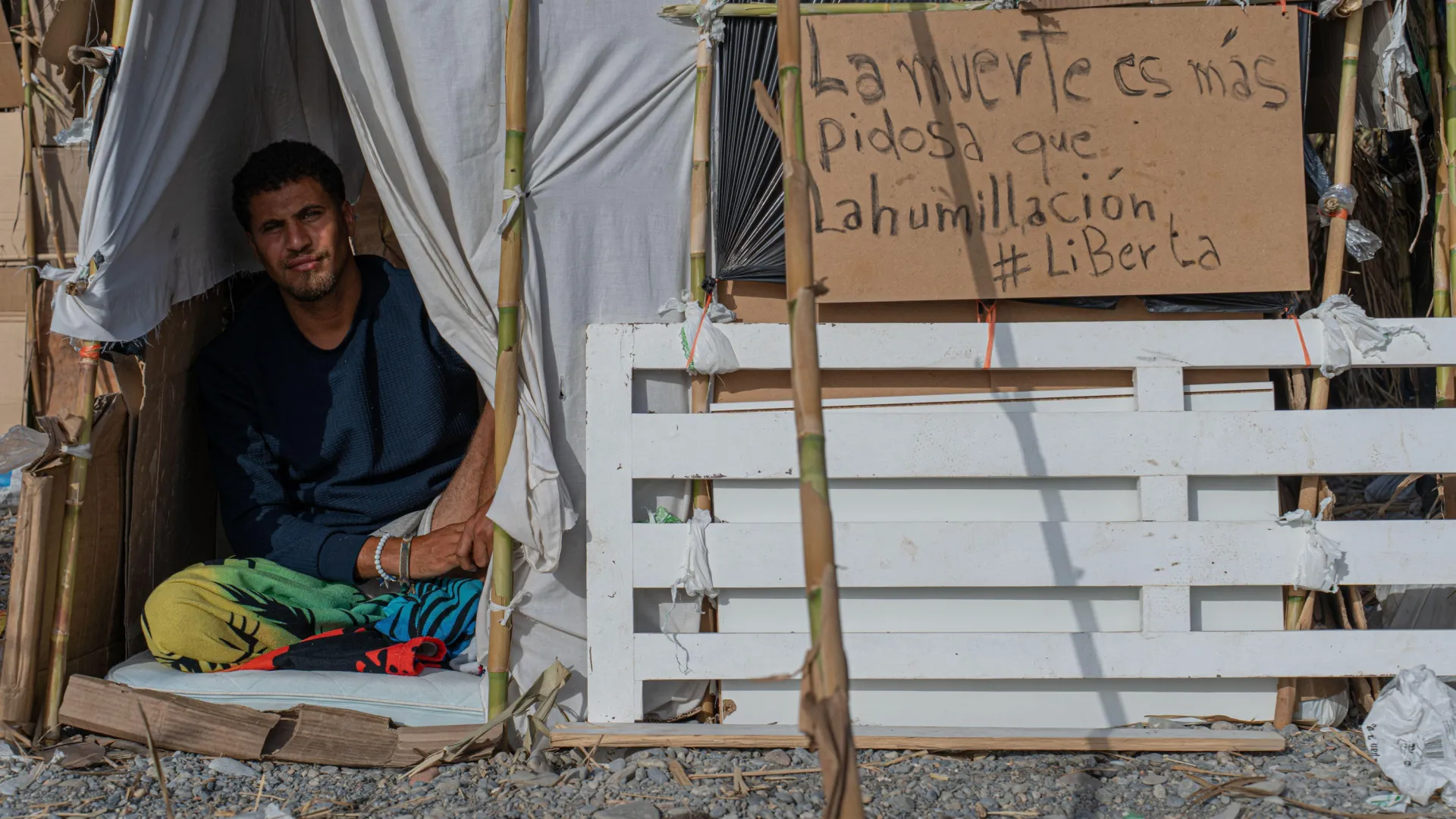

Understanding the Legal Challenges and Humanitarian Crisis in Ceuta
In a recent episode of ‘La Linterna’ aired on COPE, Patricia Fernández Vicens, a lawyer specializing in minors, addressed the intricate legal and humanitarian issues currently unfolding in Ceuta. During her discussion with host Rubén Corral, Fernández Vicens emphasized that social organizations have meticulously identified and documented over 6,000 individuals in the region, which includes more than 3,000 children. This critical data has been communicated to the Government Delegation, highlighting the urgent need for legal intervention and support for these vulnerable populations.
Fernández Vicens, who is affiliated with the Coordinadora de Barrios and collaborates with the Elín association, stressed the importance of upholding the rule of law against any external pressures. She firmly stated, "We cannot allow Morocco to determine which laws are applicable in Ceuta, as this would not only infringe on sovereignty but also violate jurisdictional integrity." Her assertion underscores a significant concern regarding the management of border tensions and the legal frameworks that govern the treatment of minors.
The Imperative of Individualized Legal Procedures
In the context of repatriations, Fernández Vicens clarified that the return of minors cannot be conducted collectively or through arbitrary lists; rather, it should be approached through strictly individualized decisions. She referenced a ruling by the Supreme Court from 2021, which mandated adherence to all procedural requirements outlined in the Foreigners’ Law. This highlights an essential aspect of child protection, ensuring that the legal rights of minors are safeguarded during such processes.
The lawyer highlighted that both the European directive from 2008 and national legislation advocate for assisted returns, provided there are comprehensive legal guarantees in place. She warned that any attempts to bypass established legal frameworks could undermine the protection due to minors under national law. "Can they be returned? Yes, but only with due process and guarantees," she affirmed during the interview, reinforcing the critical need for lawful procedures in handling repatriation cases.
Furthermore, she pointed out that the responsibility for the protection of minors lies with the autonomous cities, with Ceuta currently overseeing the care of approximately 2,000 minors. This situation calls for robust institutional support and a commitment to uphold the rights and well-being of these children, ensuring they receive the necessary protection and care amidst a challenging humanitarian landscape.
As reported by cope.es.