
Insights from the Rabat Seminar on Regional Development
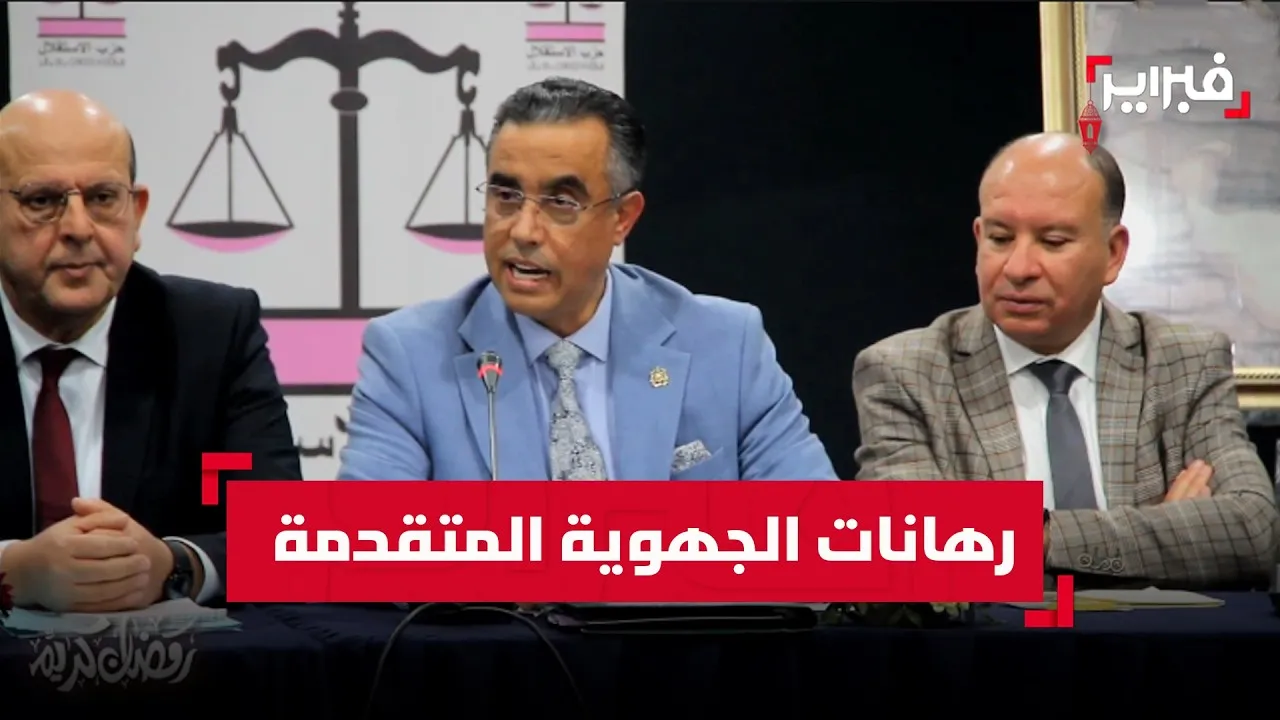
In a significant gathering at the headquarters of the Istiqlal Party in Rabat, a seminar focused on the pressing challenges of advanced regionalization and the pursuit of balanced territorial development took place. Organized by the Istiqlal Administrators Association on March 12, 2026, this symposium attracted a diverse group of participants, including university professors, political figures, and stakeholders involved in governance and development. The event served as a vital platform for discussing the implementation of advanced regionalization initiatives and their implications for reducing spatial disparities across Morocco.
Prominent speakers at the seminar included Abdeljabbar Rachidi, the President of the party’s National Council and Secretary of State for Social Integration, along with esteemed public law professors from Mohammed V University in Rabat, namely Abbas El Ouardi, Redouane Aamimi, and Jawad Nouhi. They elaborated on various aspects of regionalization and its critical role in fostering equitable development and addressing regional inequalities. The discussion was not only academic but also practical, aiming to instigate a deeper institutional dialogue regarding the challenges inherent in advanced regionalization, which is considered a cornerstone of Morocco's ongoing territorial reforms.
Strategies for Achieving Balanced Development
The discussions underscored the necessity of developing a cohesive societal project that prioritizes spatial justice and equal opportunities across regions. This involves enhancing territorial planning mechanisms and strategically allocating public investment to mitigate developmental imbalances. Participants stressed the importance of public policy convergence and improved coordination among local and institutional players to ensure inclusive development throughout all regions of the Kingdom.
Moreover, the seminar highlighted the significance of fostering inter-regional solidarity and adopting aligned priorities in directing public spending. The overarching goal is to establish a model of development that adheres to the royal directives aimed at achieving spatial justice and diminishing socio-economic disparities. By nurturing collaborative efforts and a shared vision for territorial governance, Morocco can aspire to realize a 'single-speed' approach to development, ensuring that all regions progress uniformly and sustainably.
As reported by youtube.com.