
The Enduring Pain of Heartbreak in Culture
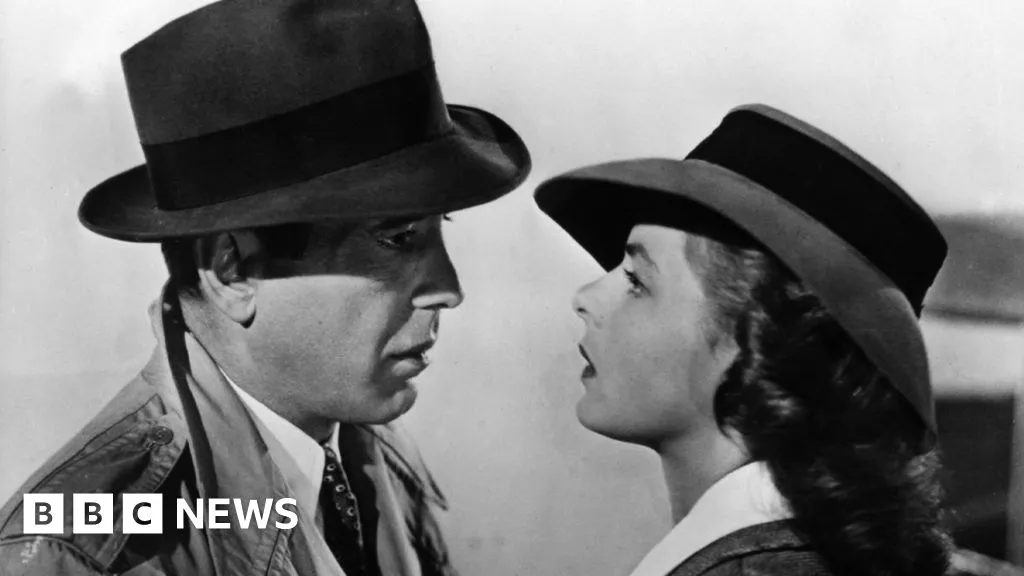
Heartbreak has been a central theme in popular culture for decades, resonating through iconic moments such as Rick and Ilsa's poignant farewell in the beloved film Casablanca and the soulful melodies of Adele's Someone Like You. This universal experience of emotional turmoil transcends time, dating back thousands of years and inspiring countless narratives of sorrow, as well as prompting inquiries into its psychological effects. A new exhibition titled After Love, located at the OVADA Gallery in Oxford, seeks to explore this profound aspect of the human experience by tracing the historical significance of heartbreak, its expression, and the various methods people have utilized to mend their broken hearts.
Unveiling Heartbreak Through Art and History
Curated by Dr. Sally Holloway, an esteemed historian of emotions from the University of Warwick, the After Love exhibition aims to bring to light the complexities surrounding heartbreak. Holloway emphasizes the need for society to engage in deeper discussions about this emotional pain, highlighting its relevance both historically and in contemporary contexts. "Heartbreak was not merely a physical ailment for individuals in the past; it remains a serious emotional concern today," she asserts. The exhibition, which chronicles the evolution of lost love over the past four centuries, invites viewers to reflect on how the understanding of heartbreak has shifted into modern times.
As Holloway delved into her research, she became a confidant for many who shared their personal stories of love lost, realizing that the experiences of heartbreak are not confined to history but resonate deeply with individuals today. The exhibition showcases over a hundred works across various mediums including film, sculpture, and collage, illustrating the multifaceted nature of heartbreak. Starting from early modern England, Holloway traces the changing perceptions of heartbreak, illustrating how it was once viewed as a physical imbalance that could literally 'snap heartstrings' to a more modern interpretation of existential loss and emotional struggle.
Throughout the centuries, the language surrounding heartbreak has evolved, reflecting changes in societal values and emotional understanding. In the 18th century, heartbreak was often articulated as a loss of meaning in life, while the 19th century brought a shift towards articulating feelings of misery, trouble, and even shame associated with such emotional pain. The After Love exhibition, which opened its doors this week and will be available from Thursday to Sunday until October 18, serves not only as a gallery of artistic expression but also as a platform for introspection and healing. Holloway notes that despite the heartache, such emotional experiences can offer individuals a chance to reassess their lives and futures, prompting a deeper understanding of self in the aftermath of love lost.
As reported by bbc.com.