
As Brazil prepares to face Morocco in the highly anticipated FIFA World Cup 2026 match, scheduled for 4 AM on Sunday, it's essential to highlight not only the sporting event but also the rich cultural and historical heritage these two nations offer. Beyond the football field, Brazil and Morocco are home to an impressive array of UNESCO World Heritage sites that reflect their unique histories and architectural marvels.
Ouro Preto – Brazil's Architectural Gem
Ouro Preto, meaning "Black Gold," is a historic city located approximately 513 kilometers north of Rio de Janeiro. Established in the early 18th century, it flourished as a center for gold mining and served as the capital of the Minas Gerais province from 1720 to 1897. The city is renowned for its steep hillsides and winding streets that mirror the undulating landscape, adorned with stunning public squares, residential buildings, fountains, bridges, and churches. Together, they create a harmonious ensemble showcasing the elegant curves of Baroque architecture.
Ouro Preto played a pivotal role in the Brazilian independence movement, known as 'Inconfidência Mineira,' which took place in 1789. It is also home to exceptional artists who produced some of the most significant works of Brazilian Baroque art, including the iconic Church of São Francisco de Assis, designed by the talented architect and sculptor Antônio Francisco Lisboa, also known as Aleijadinho. The isolation of this region throughout much of the 19th and 20th centuries inadvertently preserved its colonial buildings and urban fabric, allowing visitors to step back in time.
Fez – The Cultural Heart of Morocco
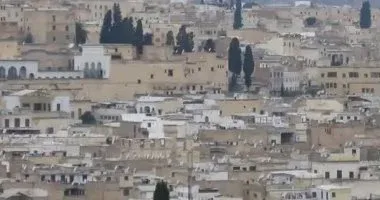
The ancient city of Fez, steeped in history, retains the memory of its establishment by the Idrisid dynasty between 789 and 808 AD. Initially, the city comprised two large fortified zones separated by the Fes River: the banks of the Andalusian River and the banks of the Kairouan River. In the 11th century, the Almoravids unified the city within a single wall, and during the Almohad period (12th and 13th centuries), the original city of Fez el-Bali expanded to its current size. The Marinids (13th to 15th centuries) further developed the area, founding a new city (Fez el-Jdid) in 1276, which included the royal palace, military headquarters, fortifications, and residential neighborhoods. This harmonious growth led Fez to become one of the largest cities in the Islamic world, showcasing a rich diversity of architectural styles and urban landscapes.
Fez is recognized as one of the best-preserved historical cities in the Arab Islamic world. Its unpaved urban space retains most of its original functions and characteristics, representing not just a remarkable architectural and archaeological heritage but also embodying a way of life, skills, and a culture that have persevered and evolved despite the influences of modern societies. The intricate construction techniques and decorations reflect over ten centuries of history, blending local knowledge and skills with diverse external inspirations from Andalusia, the East, and Africa.
As reported by m.youm7.com.