
Morocco Evaluates China's Proposal for a Free Trade Agreement
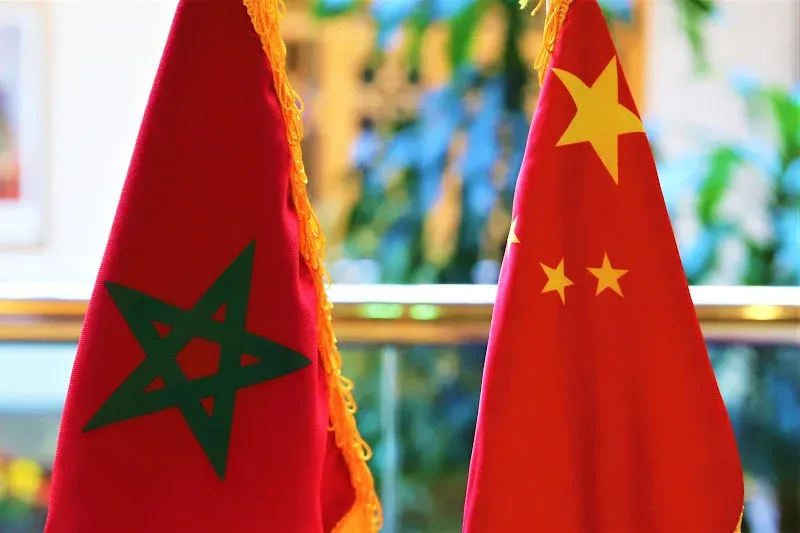
In a recent interview with Bloomberg, Moroccan Minister of Industry and Trade, Ryad Mezzour, disclosed that China has submitted a request to Morocco to establish a free trade agreement. The Moroccan government is currently assessing this proposal to determine whether strengthening economic ties with Beijing would benefit the Moroccan export-oriented industrial sector. However, no formal negotiations have commenced at this stage. Minister Mezzour emphasized that if an agreement materializes, it could provide Moroccan manufacturers with improved access to the Chinese market and assist the kingdom in diversifying its trade partners beyond Europe. He underscored the necessity of consulting with economic stakeholders and governmental bodies to analyze the potential impact on the national economy and existing free trade agreements before making any decisions.
Economic Implications and Strategic Considerations
Economic expert Khaled Hamis commented that an agreement with a country boasting significant competitive strength in various sectors could create substantial pressure on Moroccan businesses unless the kingdom possesses strategic negotiating leverage. He highlighted the need to enhance the competitiveness of national companies to tackle forthcoming challenges, suggesting that this opening could be implemented gradually. Hamis noted the complexity of fully opening the Moroccan market overnight, stating that the details and conditions of the agreement will dictate whether free trade will be implemented incrementally or from day one, and whether it will encompass all economic sectors or be limited to select ones.
He further indicated that predicting the final outcomes is currently challenging due to incomplete data, while also dismissing the possibility of Morocco entering an agreement that could adversely affect its interests. Citing the kingdom's economic history, he observed that Morocco has experienced significant transformations and positive economic leaps whenever it has opened up to the outside world and expanded its markets. Hamis believes this agreement could represent a favorable opportunity to exert positive pressure on the Moroccan economy to enhance its competitiveness. However, he warned that mismanagement of this phase could lead to negative consequences and expressed confidence that the Moroccan state would not sign an agreement that undermines the nation’s core interests.
Yassine Aalia, another economic expert, asserted that Morocco's preference for expanding free trade agreements reflects its inclination towards economic liberalization and openness to global markets. He added that this effort aims to increase trade volumes and reduce dependence on traditional partners, particularly European Union countries. Aalia pointed out that while this approach has positive aspects, it also presents challenges; on the positive side, it would enable Moroccan products to access a vast market of 1.4 billion Chinese consumers, thereby expanding national production and opening new avenues for Moroccan companies, in addition to attracting foreign investment directed towards these markets.
The anticipated agreement could effectively double the size of the market available to Morocco, increasing from one billion consumers currently covered by existing agreements to over 2.5 billion consumers. This would enhance the kingdom’s attractiveness to large-scale productive investments, serving as a robust incentive for creating higher employment opportunities. Conversely, Morocco is grappling with a chronic trade deficit of approximately $40 billion, with a significant portion of this deficit attributed solely to trade with China. If the agreement is signed, it could exacerbate this deficit and inundate the domestic market with Chinese goods, placing considerable pressure on Moroccan companies.
Aalia remarked that national businesses might struggle to compete with China's extensive production capabilities and competitiveness in international markets. Consequently, he cautioned that the agreement might yield more harm than benefits for the Moroccan economy, potentially replacing European dominance with Chinese hegemony, thereby deepening Morocco's economic dependency on external entities and intensifying structural issues within its foreign trade. He concluded that any potential free trade agreement with China must not result in detrimental consequences for Morocco’s trade balance, advocating for a careful and strategic approach to diversify trade partners without compromising national interests.
As reported by hespress.com.