Morocco's Unique Jewish Community and Heritage Initiatives
Morocco boasts a vibrant Jewish community of approximately 2,500 individuals, marking it as the largest remaining Jewish population in North Africa. The kingdom has a long-standing tradition of recognizing and promoting its Jewish identity, which was formally enshrined in the constitution of 2011 under the designation of a "Hebraic tributary." This constitutional acknowledgment serves to legally protect and preserve the Jewish presence within Moroccan society. In recent years, a multitude of projects have emerged, focusing on the safeguarding and promotion of Jewish history and culture throughout the nation. These initiatives range from the restoration of historical sites to workshops designed to foster religious tolerance and understanding among diverse communities. Additionally, there are programs aimed at benefiting rural areas that cater to individuals of all faiths across various sectors, which underscore Morocco's commitment to a multicultural society.
The Intersection of Culture and Politics
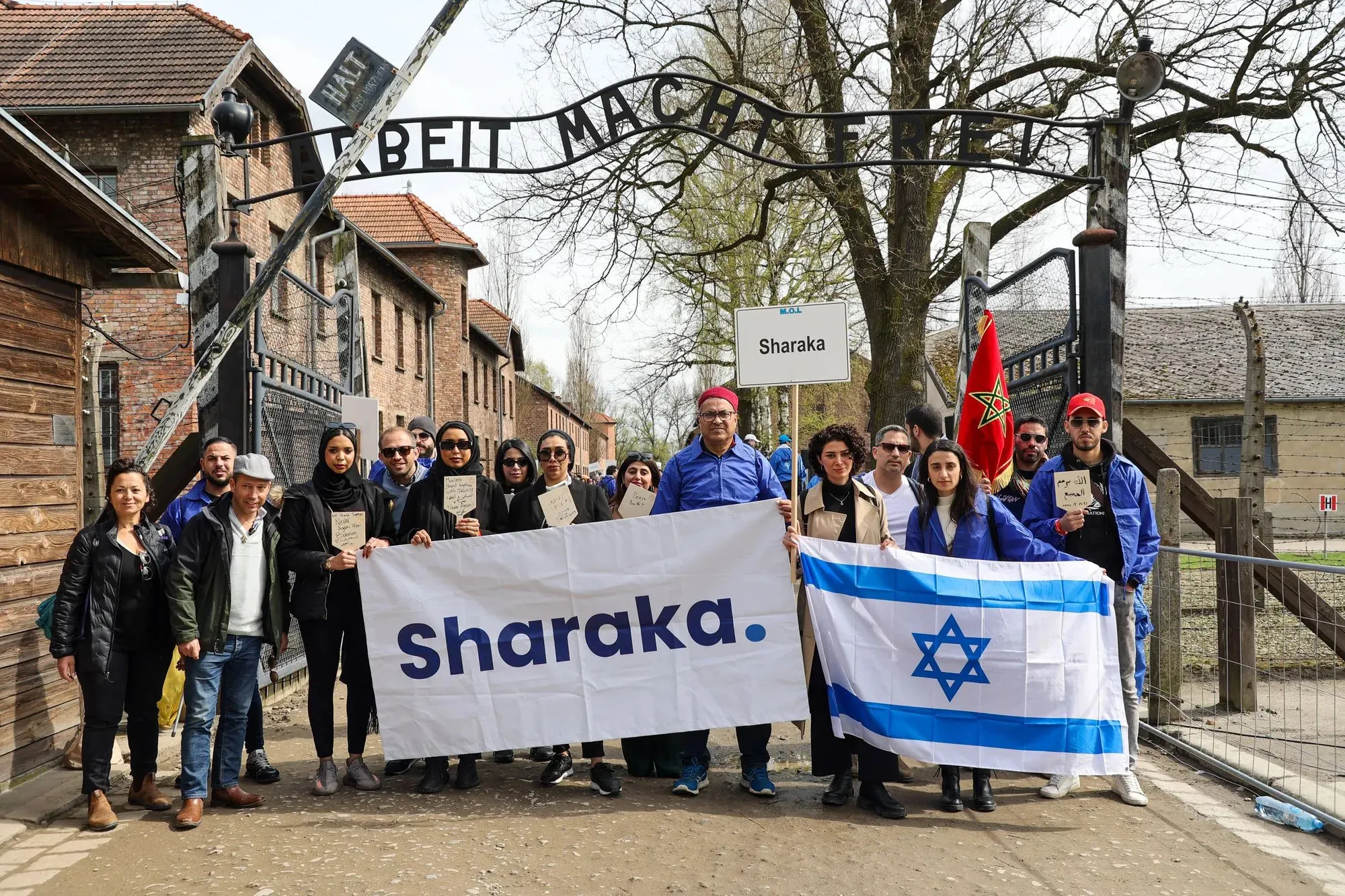
However, beneath the admirable facade of these cultural initiatives lies a more complex and politically charged agenda. This is largely driven by foreign organizations that actively promote Zionism and support Israel, including financial backing for its military operations in occupied Palestine. The Jewish organizations involved in these initiatives play a significant role in shaping contemporary narratives surrounding Israel and Palestine. They frequently take young Moroccans on tours of Israel, and during visits to historical Holocaust sites in Europe, they ensure to capture images of the youth holding both the Moroccan and Israeli flags. This strategy seems aimed at gradually altering Morocco’s historically pro-Palestine stance by influencing the perspectives of younger generations through engagement in these so-called educational and cultural programs.
A comprehensive plan from the 1960s, known as Operation Yachin, orchestrated by the Jewish Agency, facilitated the migration of nearly 90,000 Moroccan Jews to Israel. This operation established Zionist youth clubs that were intended to propagate Zionist ideology among Moroccan youth. Today's approach, as noted by former participants like Yasmine, a young Moroccan anthropologist who has chosen to remain anonymous for security reasons, has become more subtle and insidious. Yasmine reflects on her past involvement in these projects, initially perceiving them as purely cultural and academic, only to later recognize their underlying political motives. She emphasized that many young participants often conflate Judaism as a religion with Zionism as a political ideology, which allows these initiatives to effectively shape attitudes while obscuring their true intentions.
The shifting landscape of public opinion in Morocco, particularly following the controversial normalization deal with Israel in 2020 and the ongoing humanitarian crisis in Gaza, has led these organizations to adopt a more discreet approach in their messaging. They have increasingly focused on cultural and historical narratives rather than overtly political ones, in response to public scrutiny and criticism associated with any ties to Israel. This changing dynamic has fostered a tactical evolution in how these organizations operate, with a pronounced emphasis on youth engagement. Selected participants are often individuals with a significant social media presence, actively involved in political movements or social causes, which further amplifies their messaging and outreach efforts.
It is crucial to note that while these initiatives may present themselves as benign cultural exchanges, they often provide substantial opportunities for travel and networking, thereby attracting young Moroccans who seek exposure to international experiences. This duality of cultural engagement and potential political indoctrination raises important questions about the impact of these programs on Morocco's youth and its broader societal implications. The partnerships between local associations and international organizations serve to lend credibility to these initiatives, but they also underscore the complexities of navigating cultural heritage within a politically charged environment.
As reported by middleeasteye.net.