
Reviving Moroccan Folklore in Historical Fantasy
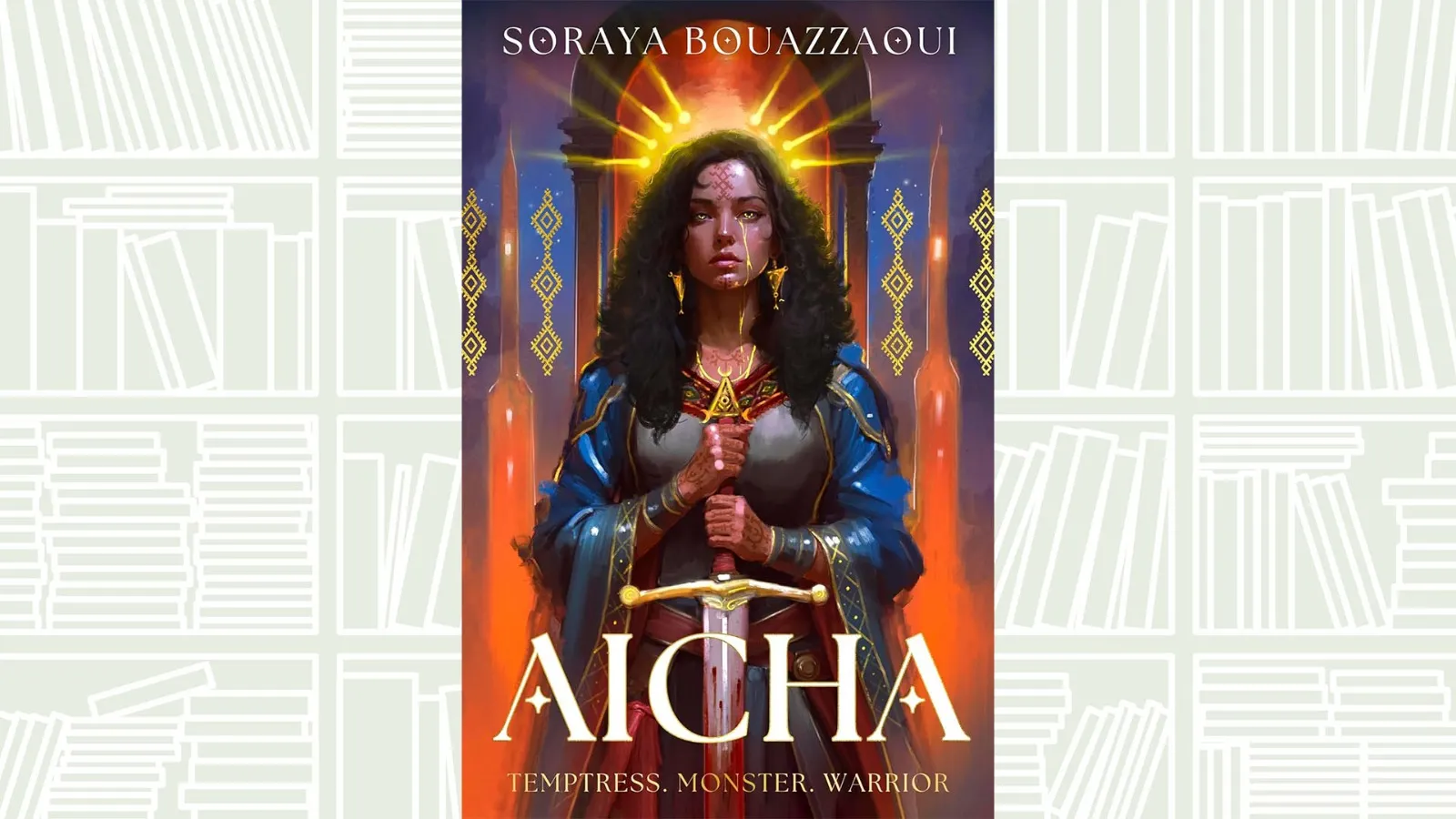
For centuries, the legendary figure of Aicha Kandicha has been a haunting presence in Moroccan folklore, often invoked as a cautionary tale to deter children from misbehavior. In her debut novel, titled "Aicha," Moroccan British author Soraya Bouazzaoui intricately weaves together the threads of folklore, history, love, and resistance, presenting a fresh narrative that elevates this storied spirit beyond mere childhood fears. Bouazzaoui, who grew up in London with Moroccan heritage, recalls how the tales of Aicha Kandicha were used as a boogeyman figure during her childhood—a fearsome woman with goat-like legs who would come for disobedient children. However, her understanding of Aicha deepened as she unearthed the character's anti-colonial roots, revealing that this spirit had historically resisted foreign incursions into Morocco, particularly against the Portuguese and Spanish forces.
Published by Orbit Books, a prominent imprint under Hachette Book Group, Bouazzaoui's novel spans the eight critical days leading up to a sultan's siege aimed at liberating the city from occupiers. The author skillfully blends the historical context of colonialism with the folklore surrounding Aicha, emphasizing that the spirit’s anger and violence are justified forms of resistance against oppression. Bouazzaoui's portrayal of Aicha transcends the simplistic narratives of a seductress, instead presenting her as a multifaceted character with deep familial ties, love, and a fierce desire to defend her homeland. This humanization of Aicha not only makes her a relatable heroine but also serves to underscore the emotional stakes involved in the struggle for liberation.
Cultural Connections and Linguistic Resistance
Bouazzaoui's journey into her heritage has also illuminated aspects of her identity she previously overlooked, particularly regarding her Amazigh roots. Her research into the historical context of the story, including the Portuguese military occupation and the dynamics of colonial resistance, has deepened her appreciation for her culture and has spurred her to learn more about the Amazigh language, Tamazight. The author draws parallels between past and present struggles, reflecting on the emotional connections that occupy nations have with their lands and the sacrifices made in the name of freedom. Furthermore, Bouazzaoui bravely incorporates elements of the Moroccan dialect, Darija, into her prose, challenging the expectation that non-Western cultures must always be translated for Western audiences. This choice not only enriches the narrative but also acts as a subtle form of rebellion against cultural appropriation and misrepresentation.
Ultimately, Bouazzaoui's "Aicha" is not just a retelling of a folklore tale; it is a call to recognize the realities of resistance and the complexities of cultural identity in the face of colonial oppression. The novel invites readers to reflect on the significance of Palestine and other current struggles for liberation, urging them to resist in whatever ways they can. It stands as a testament to the power of storytelling to bridge historical divides and inspire a new generation of writers to explore and reinterpret their cultural myths. Bouazzaoui's hope is that "Aicha" serves as an invitation for other Moroccan authors to create their versions of this legendary figure, ensuring that the rich tapestry of Moroccan folklore continues to evolve.
As reported by arabnews.pk.