
Rediscovering the Charm of Fes's Historic Homes
The recent release of a new book focusing on architecture in Morocco has reignited interest in the ancient houses of Fes, which stand as one of the city's most iconic landmarks and a prime example of traditional architecture in the kingdom. Known for their unique internal designs, the homes of Fes feature courtyards, water basins, and intricate decorations that create a vibrant center for domestic life, reminiscent in some aspects of the historic homes found in the Levant.
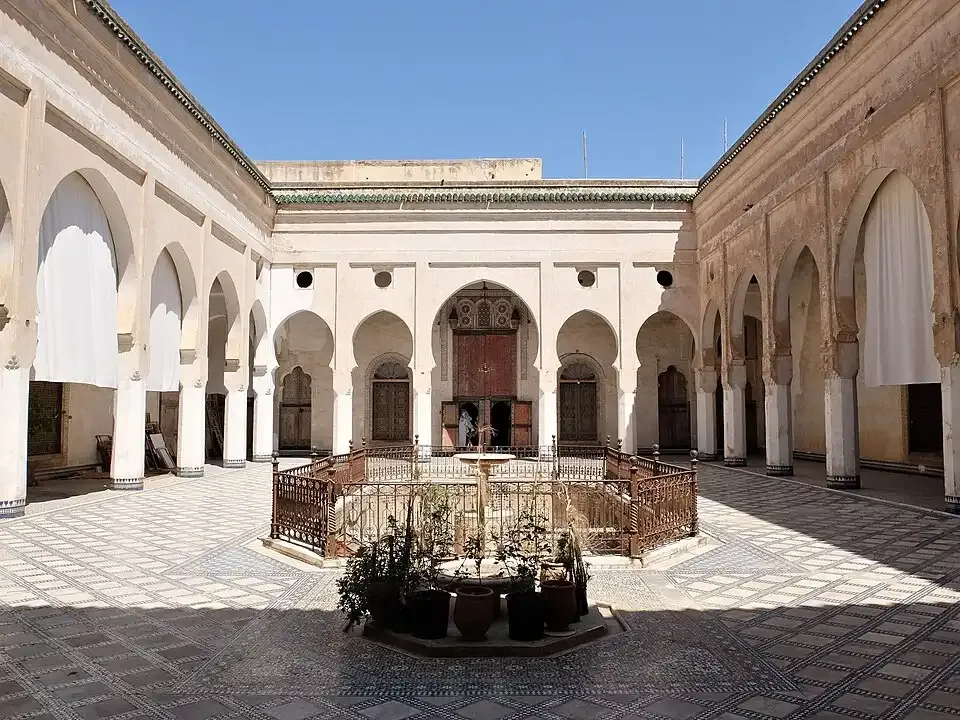
Behind the heavy wooden doors and narrow alleys of the old city lies a treasure trove of homes that often conceal their internal richness behind unassuming exteriors. Once visitors cross the threshold, they are greeted by an inviting interior courtyard surrounded by various rooms, often centered around a water basin or fountain, with traditional plants and decorations adorning the space.
This interior design grants Fes homes a distinctive character, as the houses open inward rather than outward towards the street, providing families with a quieter, more secluded living space. The courtyard plays a crucial role in allowing light and air to circulate throughout the home, enhancing the overall ambiance.

Within these homes, one can observe the craftsmanship of Fes artisans, with skills passed down through generations. Elements such as colorful zellige (a type of mosaic), intricately carved plaster, and ornate woodwork elevate some of these ancient houses beyond mere residences to artistic and heritage landmarks.

The Fes home invokes memories of the traditional Levantine house, as both types share a reliance on internal courtyards, water features, greenery, and privacy, despite differences in decorative details and local customs. Recent literature and studies on architecture and heritage are re-opening critical discussions about the necessity of preserving this rich legacy against negligence and urban transformations.
The new publication titled "Manifestations of Place: The Art of Moroccan Architecture Between Travel Narratives and the Lens of the Outsider" by researcher Ibrahim Bouabdellah offers a comprehensive study that captures the essence, characteristics, and transformations of Moroccan architecture. The book employs various mediums, including texts, images, and paintings, to highlight the uniqueness of Moroccan architectural heritage.
As reported by eremnews.com.