
Discovering the Enchanting Film Locations of The Odyssey
The Odyssey, a cinematic adaptation of Homer’s epic poem, immerses viewers in the timeless tale of Odysseus's perilous journey home. Directed by the acclaimed Christopher Nolan, this film is notable for being the first feature shot entirely in the IMAX format, utilizing groundbreaking technology that includes lighter and quieter cameras. Throughout its narrative, the film transports audiences to an array of vivid landscapes, capturing the essence of ancient myths through five distinct locations, along with underwater scenes and studio filming. These locations are not merely backdrops but integral parts of storytelling, each contributing to the rich tapestry of Odysseus's journey.
A Deep Dive into Iconic Filming Locations
Beginning in Morocco, the film portrays the aftermath of the Trojan War where Odysseus, portrayed by Matt Damon, embarks on his quest for home. The city of Troy is represented by the stunning Ksar of Ait Benhaddou, a UNESCO World Heritage Site known for its striking earthen clay architecture, which has previously served as a backdrop for numerous iconic films. The filmmakers ingeniously added structures like the Temple of Athena to create a visually captivating depiction of Troy, showcasing the city’s grandeur and eventual destruction. The breathtaking landscapes of Essaouira, a coastal town, also feature prominently, embodying the coastal environment where the infamous wooden horse was introduced to the Trojans.
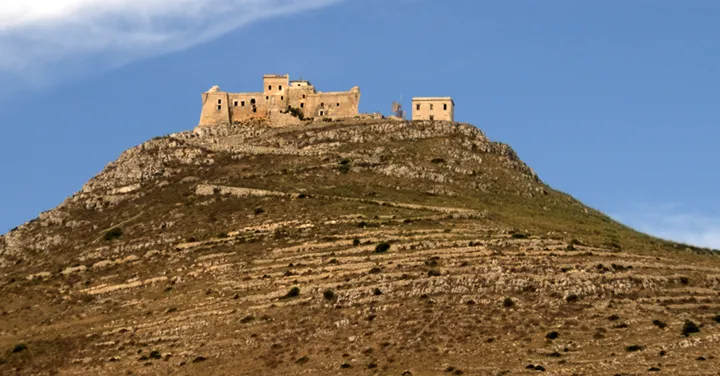
Shifting to Italy, the film’s depiction of Ithaca is brought to life through the majestic Castello di Santa Caterina on the island of Favignana. This castle, perched atop Monte Santa Caterina, serves as the palace of Penelope, played by Anne Hathaway, and her son Telemachus, portrayed by Tom Holland. The challenges of filming at this elevated location required innovative solutions, such as a funicular lift to transport equipment. Moreover, the volcanic Aeolian Islands stand in for the mythical island of Aeolia, where Odysseus faces divine trials set by Poseidon. The Faraglioni di Lipari, striking sea stacks, symbolize the Wandering Rocks from the epic, while the waters surrounding Basiluzzo represent the perilous channel where Odysseus confronts the monstrous Scylla.
As the film progresses, Greece takes center stage, showcasing locations such as the stunning Voidokilia Beach, which stands in for the Island of the Cyclopes. Here, the crew encounters Polyphemus, a formidable giant that adds a layer of supernatural horror to their journey. The real-life Nestor's Cave captures the claustrophobic tension as Odysseus and his men find themselves trapped. The use of authentic locations throughout Greece, including Methoni Castle, which serves as the palace of Menelaus, and Acrocorinth, where the echoes of Agamemnon's return resonate, further enriches the narrative, linking the mythological with the historical.
Overall, The Odyssey is not just a film but a breathtaking exploration of ancient tales brought to life through stunning visuals and strategic location choices. Each site contributes significantly to the storytelling, ensuring that audiences are not only entertained but also swept away by the beauty and depth of the landscapes that shaped this timeless narrative.
As reported by movie-locations.com.